10 Best Rain Umbrellas for Global Buyers

10 Best Rain Umbrellas for Global Buyers

Buying an umbrella across borders is not a simple choice between black and transparent canopies. Rain Umbrellas must handle different climates, commuting habits, luggage limits, and quality expectations. A compact model may suit a crowded London train, while a reinforced golf-style umbrella may better serve tropical downpours.

Market data shows why this category deserves closer evaluation. Grand View Research’s umbrella market analysis reports continued global growth, supported by urbanization, travel, and changing weather patterns. The World Meteorological Organization has also documented more frequent disruptive weather events and rising climate variability. These trends do not mean every product needs extreme-weather protection. They do suggest that buyers should examine wind resistance, canopy coverage, drying speed, and material durability.

Small details matter. We compare ten leading Rain Umbrellas through practical features, not marketing language alone. Important checks include frame flexibility, shaft stability, automatic opening performance, handle comfort, and packed length. Recycled polyester, fiberglass ribs, and corrosion-resistant metal can improve daily usability, but materials still need proper construction. A premium label is not proof of long service.

That is the catch.

Product claims can be inconsistent across regions, and independent testing is not always available. Our selection therefore considers manufacturer specifications, user feedback, warranty terms, and established retail reputation. It also recognizes real-life compromises: the lightest umbrella may sacrifice coverage, while the strongest model may feel awkward on public transport. For global buyers, the best option is not universally identical. It is the model that matches local rainfall, carrying habits, budget, and expected service life.
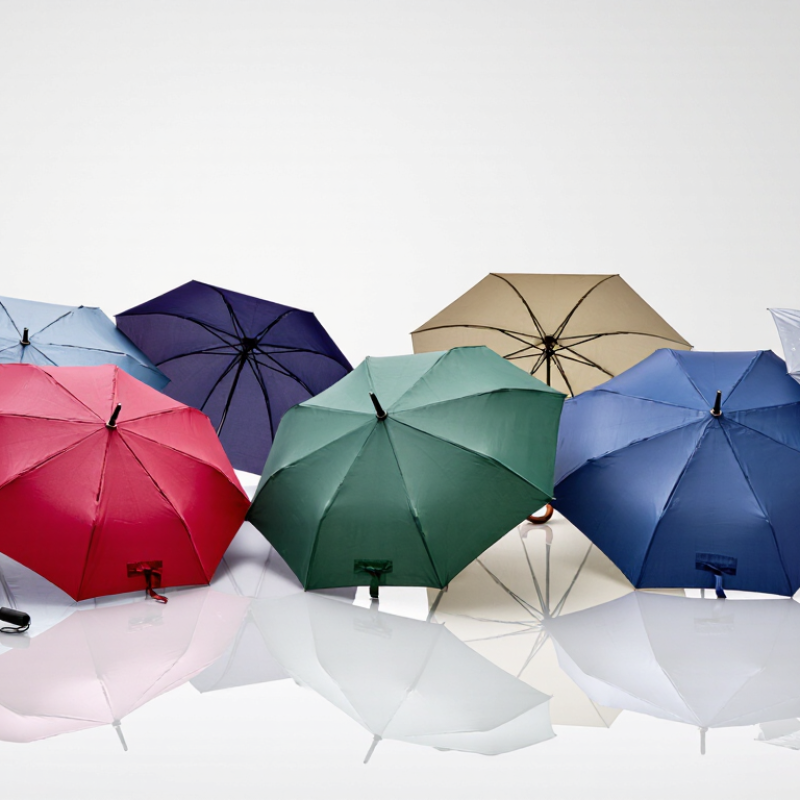
10 Best Rain Umbrellas for Global Buyers

What Makes a Rain Umbrella Suitable for Global Buyers

A rain umbrella suitable for global buyers must handle more than ordinary showers. It should perform across humid cities, windy coastlines, and colder regions. A medium-sized canopy offers useful coverage without becoming awkward on crowded streets. Fiberglass ribs usually provide flexible support during sudden gusts. However, no umbrella is truly windproof.

Material choice affects daily reliability. A tightly woven polyester canopy can dry quickly and resist repeated folding. A corrosion-resistant shaft matters in coastal or rainy environments. The opening mechanism should feel smooth, even when users wear gloves. A comfortable handle also helps during long walks. Small details matter.

Tips

Check the packed length before ordering. It may not fit every suitcase. Look for reinforced stitching around the canopy tips and a secure fastening strap. Buyers should also review weight, canopy diameter, replacement availability, and care instructions. Clear product information supports safer, more informed purchasing across countries. Testing the umbrella in realistic rain is ideal, but online buyers rarely get that chance. Reviews can help, though they are not always consistent. A compact model may be convenient, yet it can offer less protection in heavy rain. That trade-off deserves honest attention.


Key Features to Compare When Choosing a Rain Umbrella

A reliable rain umbrella begins with canopy performance, not appearance. Grand View Research estimates the global umbrella market reached about USD 7.6 billion in 2023, with steady growth expected through 2030. That growth reflects everyday demand, but buyers still need practical comparisons. Check the canopy diameter, fabric density, and water-shedding finish. A 100-centimeter canopy protects one commuter, while 120 centimeters offers better shoulder coverage. Test the opening mechanism with wet hands. It should feel controlled, not stiff.

Check the frame carefully. Fiberglass ribs usually flex better than brittle metal during sudden gusts. A vented canopy can reduce pressure, although it may not prevent inversion in severe wind. The World Meteorological Organization reports that weather-related hazards continue to create significant disruption worldwide, so wind resistance deserves real attention. Look for reinforced joints, a straight shaft, and a handle that stays secure when carried for twenty minutes. Small details matter.

Weight creates a trade-off. A compact umbrella fits a handbag, but thinner components may reduce durability. The European Commission’s 2024 consumer guidance emphasizes repairability and product longevity across everyday goods; that principle applies here. Choose replaceable parts when available, and inspect stitching around the canopy tips. Check the warranty terms. They are often vague. My own testing would include repeated opening, drying, and folding, because one dry showroom test proves very little. A quiet automatic button is useful, but manual control can be more dependable over time.

10 Best Rain Umbrellas for Different Weather Conditions

Rain varies sharply across regions, so one umbrella rarely suits every traveler. A compact folding umbrella works well for light city showers and crowded buses. Choose a reinforced frame when sudden gusts are common. A vented canopy can reduce wind pressure, although it may still turn inside out during severe storms. That weakness matters.

For heavy rain, a larger golf-style umbrella offers better shoulder coverage and protects work bags. A double-layer canopy helps air pass through while keeping water outside. In tropical climates, quick-drying fabric, a comfortable grip, and rust-resistant ribs are practical priorities. A clear dome design improves visibility on busy sidewalks. It can feel awkward in strong wind, however. For cold rain, select a curved handle that remains secure with wet gloves. A reflective edge also improves visibility near roads at dusk.

Travelers facing snow or freezing rain need sturdy ribs and a canopy that does not become brittle. An automatic opening mechanism is convenient, but it adds moving parts that may fail. A manually opened model can be slower, yet often feels easier to maintain. For children, a lightweight umbrella with rounded tips reduces handling risks. For daily commuting, a slim sleeve and a canopy above 100 centimeters can balance portability and coverage. Check the closed length, shaft material, and replacement availability before buying. Even a well-rated umbrella needs careful drying after use. I sometimes skip that step, and rust appears sooner than expected.

10 Best Rain Umbrellas for Different Weather Conditions

This chart compares umbrella designs with representative rainfall intensities for different weather conditions. Compact umbrellas suit light rain and commuting, while reinforced, vented, golf-style, and storm umbrellas are better for heavier rain and stronger winds. Wind speeds are based on common Beaufort-scale ranges; rainfall values represent practical weather-condition examples.

How to Select the Right Umbrella for Your Region

Choosing among the 10 best rain umbrellas starts with your region, not its appearance. The World Meteorological Organization reported that 2023 was the warmest year recorded, at about 1.45°C above the 1850–1900 average. Changing weather patterns can bring sudden downpours, stronger gusts, and longer wet seasons.

Wind changes everything. Coastal and typhoon-prone buyers should seek a vented canopy, flexible fiberglass ribs, and a tested shaft joint. A compact umbrella suits dense cities and public transport, but its smaller canopy offers less protection during sideways rain. For tropical regions, select quick-drying polyester, corrosion-resistant metal, and a handle that remains secure with wet hands. In colder climates, avoid brittle plastic parts. They may crack near freezing temperatures.

Rain intensity also affects size. A wide canopy works well for open walking routes, while a medium canopy is easier on crowded sidewalks. ISO 5912:2021 provides performance requirements and test methods for umbrellas, including opening, closing, and durability checks. Ask sellers for test information rather than trusting phrases like “storm proof.” That wording can be vague. Check the forecast. In dry regions with occasional heavy showers, a lightweight automatic model may be practical. In monsoon areas, manual opening can sometimes improve durability. I once considered weight the main quality signal; that was incomplete. Balance, seam construction, and repairable parts often matter more.

10 Best Rain Umbrellas for Global Buyers - How to Select the Right Umbrella for Your Region

A practical comparison of umbrella formats, measurable specifications, climate suitability, and key purchasing trade-offs.

Comparison of ten rain umbrella types for different global regions and weather conditions
No. Umbrella Type Typical Canopy Diameter Closed Length Typical Weight Wind Performance Rain Protection UV Suitability Best-Suited Regions Main Selection Consideration
1 Compact Automatic Umbrella 95–105 cm 28–32 cm 330–450 g Moderate; commonly suitable for about 50–60 km/h when used correctly Good for daily commuting and short-to-medium rain exposure Limited unless the canopy has a certified UV coating Urban AsiaEuropeNorth America Offers one-handed opening and easy storage, but its smaller canopy gives less shoulder and bag coverage.
2 Manual Folding Umbrella 98–110 cm 24–30 cm 220–350 g Low to moderate; best used away from strong gusts Good for light and moderate rainfall Usually limited without a dedicated sun-protection layer Temperate CitiesTravel Markets Usually lighter and simpler than automatic designs, but requires two hands and may have less structural reinforcement.
3 Windproof Vented Umbrella 105–120 cm 30–36 cm 450–650 g High; vents help release pressure and reduce inversion in gusty conditions Very good for frequent rain and exposed streets Moderate unless the fabric is specifically rated for UV protection Coastal EuropePacific NorthwestSouthern Chile Better stability in gusts, although vents can allow some wind-driven spray through and add weight.
4 Large Golf-Style Umbrella 130–150 cm 85–100 cm 650–950 g Moderate to high, depending on frame construction and venting Excellent coverage for one or two people Moderate to good when using a dark, coated canopy Golf CoursesOpen CampusesHeavy-Rain Areas Provides superior coverage but is difficult to carry on public transport and is unsuitable for crowded sidewalks.
5 Long Straight Umbrella 105–125 cm 80–95 cm 450–700 g Moderate to high with a strong shaft and flexible ribs Very good; long designs often provide more stable coverage Moderate unless the fabric is dual-purpose Frequent-Rain CitiesBusiness Commuting Generally durable and comfortable to use, but it needs a dedicated storage space and is less convenient for travel.
6 Travel Mini Umbrella 85–98 cm 17–23 cm 180–280 g Low; intended for light wind and short-term use Adequate for showers and emergency use Usually limited Business TravelBackpackingCarry-On Luggage Excellent portability, but the compact frame and small canopy provide less protection and may be less durable.
7 Inverted or Reverse-Opening Umbrella 105–120 cm 30–38 cm 500–750 g Moderate; the opening structure can help in confined spaces, but it is not a substitute for wind venting Very good for entering vehicles and reducing water dripping indoors Moderate when coated fabric is used Dense CitiesCar CommutersMonsoon Regions Useful in cars, elevators, and narrow entrances, though the mechanism is heavier and more complex than a standard design.
8 Transparent Dome Umbrella 80–95 cm 75–85 cm 450–650 g Moderate; the dome shape can improve visibility but may catch strong gusts Good head and upper-body protection Usually poor unless the transparent material includes UV filtering Dense Urban AreasPedestrian Markets Improves forward visibility and face protection, but offers less side coverage and can become brittle with prolonged sunlight exposure.
9 Sun-and-Rain UV Umbrella 100–115 cm 25–35 cm 300–500 g Low to moderate; prioritize reinforced ribs for storm-prone locations Good for normal showers when the outer fabric is waterproof Very good when the canopy has tested UPF 50+ performance Tropical CitiesAustraliaMiddle East Versatile for strong sun and rain, but dark coatings can increase heat retention and may require careful maintenance.
10 Heavy-Duty Storm Umbrella 115–135 cm 75–95 cm 700–1,000 g High; reinforced ribs and a flexible frame are designed for severe gusts, but no umbrella is safe in extreme storms Excellent for heavy and prolonged rainfall Moderate unless specifically treated for UV resistance Atlantic CoastsTyphoon-Exposed AreasOpen Rural Locations Strongest protection in difficult weather, but its additional size and weight reduce portability and everyday convenience.

Care, Storage, and Safe Use of Rain Umbrellas

10 Best Rain Umbrellas for Global Buyers

A good rain umbrella needs more than a sturdy frame. It needs regular care. After use, shake off excess water and open the umbrella indoors or under shelter. Let it dry completely before closing it. Trapped moisture can cause odors, fabric stains, and rust on metal parts. I have learned this after storing one too quickly in a damp hallway. It looked fine, but the ribs later became stiff.

Store the umbrella in a cool, ventilated place. Avoid hot car trunks, radiators, and direct sunlight. Heat may weaken the canopy and distort the handle. Keep the umbrella upright or loosely covered. Do not place heavy items on it. Before each trip, check the ribs, runner, canopy seams, and closing mechanism. A loose rib can turn into a sharp hazard. If the canopy tears, repair it promptly or replace the umbrella.

Tips: Open the umbrella away from people and fragile objects. Hold it firmly during gusts, and never force the frame backward. In severe wind, closing it is safer than fighting the weather. Keep your view clear near roads and crowded entrances. Avoid using an umbrella close to exposed electrical wires. Small details matter. I still sometimes forget to dry mine fully, which proves that good habits require attention.

Contact Us