What is Aluminum Profile Extrusion and Its Benefits for Buyers?
Aluminum Profile Extrusion is a fundamental process in modern manufacturing. This technique shapes aluminum into desired profiles through a method that is both efficient and versatile. Its unique properties make aluminum a popular choice across various industries, from construction to automotive.
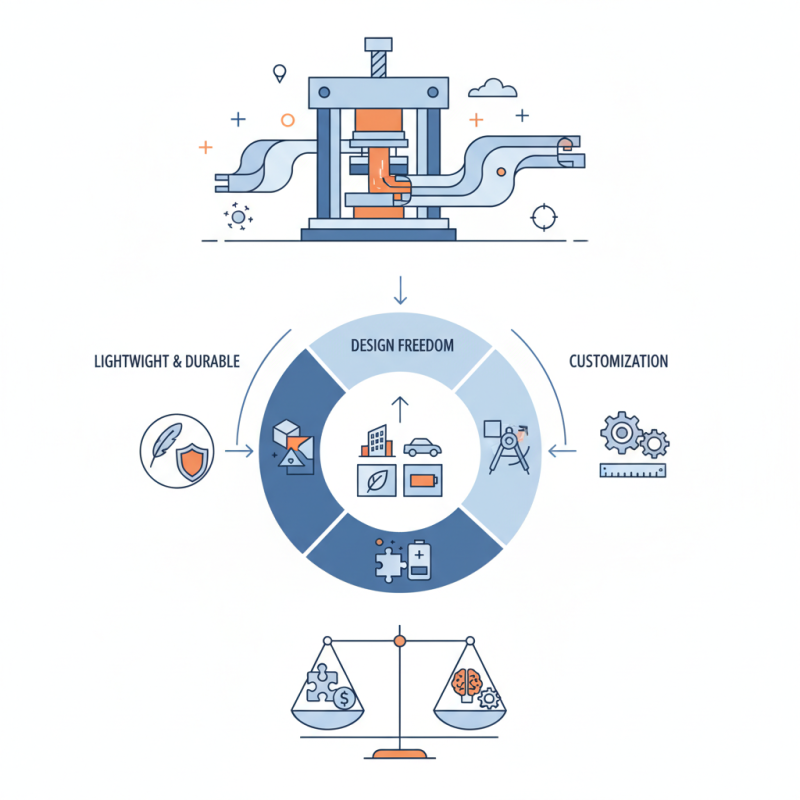
For buyers, the benefits of Aluminum Profile Extrusion can be significant. It provides lightweight yet durable materials, which can enhance product performance while reducing energy costs. The extrusion process allows for complex shapes, offering design freedom that is often essential for competitive projects. It can be tailored to meet specific needs, giving buyers a reliable option for their projects.
However, it's essential to consider the limitations as well. Not all designs may be feasible, and costs can vary based on customization. Buyers must weigh these factors carefully to make informed decisions. Understanding the intricacies of Aluminum Profile Extrusion can lead to better outcomes and innovations in product design.
What is Aluminum Profile Extrusion? An Overview of the Process
Aluminum profile extrusion is a widely used process in manufacturing. It involves forcing heated aluminum through a die to create specific shapes. This method allows for high precision and versatility in designs. The final products can be used in various applications, from construction to automotive parts. According to the Aluminum Extruders Council, the global aluminum extrusion market was valued at approximately $60 billion in 2020.
The extrusion process starts with heating aluminum billets. Once softened, the aluminum is pushed through a shaped die, forming profiles. After cooling, these profiles are cut to the required length. This ensures uniformity and quality. Many industries prefer aluminum extrusion due to its lightweight nature and resistance to corrosion. Research indicates that aluminum extrusions can save up to 30% of weight compared to steel. Therefore, manufacturers often choose extruded aluminum over other materials for efficiency.
However, the extrusion process has its challenges. Maintaining consistent quality can be difficult. Variations in temperature during extrusion can affect the mechanical properties of aluminum. Additionally, achieving complex shapes often requires intricate dies, which can be costly. As companies consider these factors, they balance the benefits of aluminum profile extrusion with potential drawbacks.
Key Benefits of Aluminum Profile Extrusion for Various Industries
Aluminum profile extrusion offers numerous benefits across various industries. This process involves shaping aluminum into specific cross-sectional profiles. It’s a highly efficient method that provides durability and flexibility for product design.
In construction, aluminum extrusions provide lightweight yet strong components. They resist corrosion and can withstand harsh weather conditions. Designers appreciate the variety of shapes available, allowing for innovative architectural solutions. However, it's essential to carefully consider the profile's design to maximize structural integrity.
In the automotive industry, aluminum extrusions are crucial. They contribute to reducing vehicle weight, enhancing fuel efficiency. Manufacturers can create custom parts tailored to specific vehicle models. Yet, buyers should assess the cost implications of custom designs. A thorough cost-benefit analysis can avoid spending too much on unnecessary features.
Tips: When selecting an aluminum profile, consider the specific requirements of your project. Engaging with experienced suppliers can lead to better material choices. Always review the durability needed based on environmental factors. This will help you in making informed decisions.
Understanding the Cost-Effectiveness of Aluminum Profile Extrusion
Aluminum profile extrusion is a popular manufacturing process. It creates various shapes and sizes using aluminum billets. This method offers significant cost-effectiveness for buyers. It involves pushing heated aluminum through a shaped die, producing lightweight and strong components. These extrusions can be customized to meet specific needs.
The cost-effectiveness of aluminum profile extrusion lies in reduced waste. Unlike other processes, it often requires minimal secondary operations. Production runs can be scaled easily. Tooling costs are relatively low, especially for high-volume orders. This means businesses can save money on both material and labor. However, the initial investment in machinery can be significant.
Moreover, aluminum's properties contribute to overall savings. It's corrosion-resistant and requires little maintenance. Buyers can expect longer-lasting products with lower lifecycle costs. Still, not all projects are suited for aluminum. Understanding specific project needs is crucial. Careful planning is essential for maximizing the benefits of this process.
What is Aluminum Profile Extrusion and Its Benefits for Buyers?
| Dimension | Value | Benefits |
| Weight | 2.7 g/cm³ | Lightweight material, easy to handle and transport. |
| Strength | Varies by alloy | High strength-to-weight ratio enhances structural applications. |
| Corrosion Resistance | Excellent | Longer lifespan with low maintenance requirements. |
| Recyclability | 100% | Environmentally friendly, reduces resource depletion. |
| Cost per kg | $2.50 - $4.00 | Cost-effective for large production runs. |
Applications of Aluminum Extrusions in Modern Manufacturing
Aluminum extrusions play a vital role in modern manufacturing. Their versatility allows for a wide range of applications. From window frames to automotive parts, the adaptability of aluminum profiles is remarkable. These profiles can be easily crafted into complex shapes. This feature makes them ideal for innovative designs.
Many industries benefit from aluminum extrusions. In construction, they provide lightweight structural support. Their resistance to corrosion is another advantage. In electronics, heat sinks made from aluminum prevent overheating of components. This property is crucial for performance and longevity. However, one must consider the energy consumption involved in the extrusion process.
While aluminum is an excellent material, it is not always the best choice. Some projects may require stronger materials like steel. Additionally, the cost of aluminum can fluctuate based on market trends. Buyers should weigh these factors carefully. Exploring other options can lead to more effective solutions in manufacturing.
Applications of Aluminum Extrusions in Modern Manufacturing
Industry Statistics: Growth Trends in Aluminum Extrusion Market
The aluminum extrusion market has experienced significant growth over the past decade. Statistics show a steady increase in demand for aluminum profiles, driven by various industries. The construction sector, for instance, has embraced aluminum for its lightweight and durable properties. This shift highlights the material's versatility and appeal to buyers looking for reliable solutions.
In recent years, the global market size for aluminum extrusion has expanded significantly. Reports indicate a compound annual growth rate (CAGR) of around 5% by 2025. Such growth can be attributed to rising construction activities and advancements in automotive design. However, challenges persist. Fluctuating raw material costs and environmental regulations can impact production and prices. Buyers must remain adaptable to these market dynamics to secure favorable outcomes.
The future looks promising for aluminum extrusion. Innovations in sustainability and energy efficiency are emerging. They provide buyers with more eco-friendly options. Yet, it is crucial to question whether these advancements will meet growing market demands. As industries evolve, so too will the expectations for aluminum profiles. Adapting to these changes requires continuous investment and strategic planning.