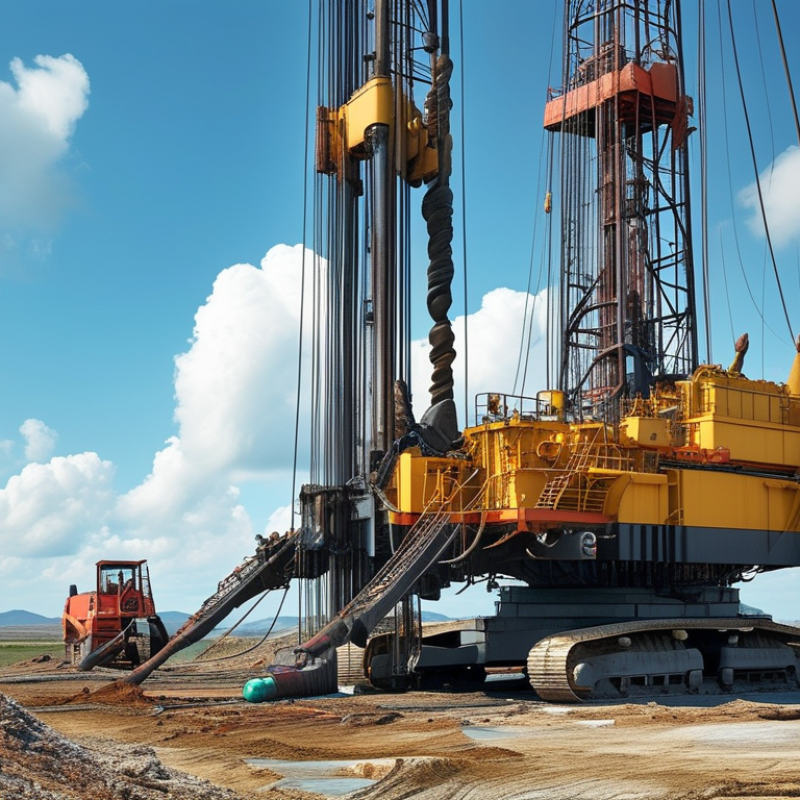
What is the Best Well Drilling Rig for Sale Today?
When searching for the best well drilling rig for sale today, it is crucial to understand your specific needs. The market offers many choices, each with unique features. An ideal rig must be reliable and suited for the terrain you plan to drill.
Selecting the right rig requires expertise. Consider factors such as horsepower, depth capabilities, and portability. Durable construction and reputation in the industry also matter significantly. Many rigs claim to be the best, but not all live up to expectations.
The quest for the right well drilling rig for sale can raise questions. You may wonder about maintenance costs or compatibility with existing equipment. Taking the time to research helps avoid costly mistakes. In the end, choosing the right rig is about balancing your budget with performance needs. Remember, a poor choice can lead to frustration and wasted resources.
Overview of Well Drilling Rigs and Their Importance
Well drilling rigs play a crucial role in accessing underground water sources. These machines vary in size and capability, catering to different needs. From small rigs for residential projects to larger ones for industrial use, each rig specializes in specific drilling requirements. Understanding these aspects is vital for individuals or companies seeking effective water solutions.
Tips for choosing the right well drilling rig include assessing your drilling depth needs. A smaller rig might suffice for shallow wells, while deeper projects require more robust equipment. Another consideration is portability. If you need to access remote locations, a lightweight rig can save time and effort.
Moreover, it's essential to evaluate the rig's expected lifespan and maintenance needs. Some rigs are built for durability but may demand more frequent upkeep. Reflecting on these factors helps ensure your investment meets both current and future needs. Always consult experts or experienced drillers for insights tailored to your specific circumstances. Their knowledge can guide you towards better decision-making.
Types of Well Drilling Rigs Available on the Market Today
When considering the types of well drilling rigs available today, it's essential to understand their various functions. Different rigs cater to diverse needs, from residential water wells to commercial excavation projects. Some common types include rotary drill rigs, cable tool rigs, and auger drilling rigs. Each type has its unique features and advantages that can significantly impact drilling efficiency.
Rotary drill rigs are known for their ability to penetrate hard rock. They utilize a rotating drill bit, making them ideal for deep wells. Cable tool rigs, on the other hand, rely on a heavy drill bit suspended by cables, offering good control in unstable soil conditions. Auger drilling rigs use a helical screw to extract soil and rock, making them suitable for shallow drilling tasks.
Tips: When selecting a rig, consider the ground conditions and the depth of the well. Each type of rig has its strengths and weaknesses. Evaluate your project's specific requirements before making a choice. It may also help to seek advice from experienced drilling professionals.
In your assessments, do not overlook the importance of maintenance. A well-maintained rig can perform better and last longer. Regular inspections and servicing can save you from unexpected breakdowns and costly repairs. Be aware that your choice might reflect on operational efficiency, so weigh your options carefully.
Key Features to Consider When Choosing a Well Drilling Rig
Choosing the right well drilling rig is crucial for efficiency and effectiveness. When looking for a rig, consider its size and power. A smaller rig may be suitable for shallow wells, while larger rigs are necessary for deeper projects. Assess the weight and transportability. A rig that is too heavy or difficult to transport can complicate the drilling process.
Tips: Evaluate the rig's mobility features. Can it navigate rough terrain?
Another vital feature is the drilling method. Some rigs use rotary drilling, while others may employ percussion drilling. Your choice depends on the soil and rock conditions in your desired location. Understanding the environment helps in selecting the most efficient method. A mismatched method may lead to wasted resources and time.
Tips: Test the rig in varying soil conditions if possible.
Lastly, consider the depth capability. Drilling rigs vary widely in maximum depth. Ensure the rig meets your project's requirements. Additionally, look for feedback from other users. Their experiences can highlight potential issues you might overlook. A reliable rig will streamline your project, while a poor choice can lead to frustration. Choose wisely based on real-world data rather than hopeful assumptions.
Top Brands and Models of Well Drilling Rigs for Sale
When searching for the best well drilling rig today, several top brands and models stand out. Each offers unique features tailored to various drilling needs. Reliable rigs boast stability and efficiency, crucial for successful drilling projects.
Consider hydraulic rigs for versatility. They adapt to different terrains easily. Mechanical rigs, on the other hand, focus on speed and power. The choice often depends on specific project requirements. While many models are effective, not every option fits every job. Research and careful selection are vital.
Some users find certain rigs challenging to operate. Training may be necessary to ensure safety and efficiency. Understanding each model's quirks can prevent costly mistakes. While many manufacturers claim durability, real-world testing reveals mixed results. Quality can vary significantly, making thorough reviews essential. A practical approach is to balance brand reputation with personal experience.
Pricing Trends and Budget Considerations for Well Drilling Rigs
When exploring well drilling rigs for sale today, understanding pricing trends and budgeting is key. The average cost for a mid-range rig typically ranges from $45,000 to $250,000. This price can vary based on factors like capacity, depth, and features. According to a recent market report by Allied Market Research, the global well drilling equipment market is expected to reach $10 billion by 2026, highlighting the increasing demand and investment in this sector.
Quality and features often dictate the price point. Newer models may come with advanced technology for efficiency, which can increase initial costs but lead to savings over time. It’s important to weigh these benefits against your specific project budget. Depending on your location, shipping and installation costs may also add to the overall expense.
Tip: Always conduct a thorough cost-benefit analysis. Consider potential operational costs and maintenance when choosing a rig.
Watch for fluctuations in material costs, too. In 2023, steel prices rose by 15%, affecting rig manufacturing costs. Staying informed about market trends will help you make a better purchasing decision. Adjust your budget accordingly, and be prepared for potential unexpected costs.