What is Chenille Fabrics and How to Source Them?
Chenille Fabrics have gained immense popularity in the textile industry due to their unique texture and visual appeal. Originating from the French word for "caterpillar," chenille offers a soft, velvety touch. This fabric is often used in upholstery, home accessories, and clothing, making it a versatile choice for designers and manufacturers alike.
Sourcing chenille fabrics can seem overwhelming at first. Many suppliers claim to offer the best quality, but not all meet industry standards. It’s vital to evaluate suppliers based on their credibility and the quality of materials used. Understanding the varying types of chenille fabrics is essential, as not all are suitable for every application.
When searching for reliable sources, look for reviews and past customer experiences. Transparency in production processes and materials is crucial for sustainable sourcing. While chenille fabrics are desirable, potential challenges can arise, such as fading and wear. This necessitates a thorough evaluation of not just aesthetic appeal but also durability. Engaging with knowledgeable suppliers can significantly enhance your understanding and selection process.
What is Chenille Fabric?
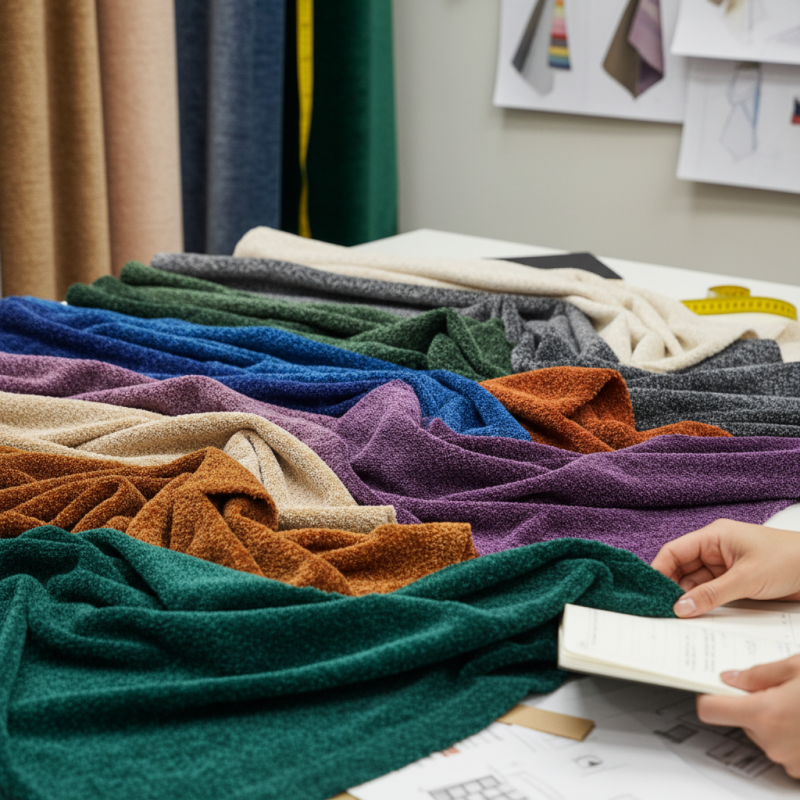
Chenille fabric is a unique textile known for its soft texture and rich appearance. Made from short lengths of yarn, it creates a plush surface that feels luxurious. Its origins date back to France, where it was traditionally used for upholstery and decorative items. Today, chenille is favored for blankets, cushions, and clothing due to its comfort and style.
When sourcing chenille fabric, pay close attention to the pile height and fiber content. A higher pile usually offers more softness but can be difficult to clean. Chenille is often made from cotton, polyester, or a blend. Cotton provides breathability, while blends can enhance durability. Make sure to check the fabric weight as well; heavier fabrics are typically more durable.
Tip: Always request samples before buying large quantities. This allows you to evaluate the texture and color in person.
Tip: Consider the end use of the fabric. Chenille is wonderful for items that don't need frequent washing.
Keep in mind that while chenille is beautiful, it may require special care. It can snag easily, which might not make it ideal for furniture in high-traffic areas. Think about potential challenges when choosing this fabric for your projects.
History and Evolution of Chenille Fabrics
Chenille fabric, characterized by its soft, velvety texture, has a rich history and notable evolution. Originating in France during the 18th century, “chenille” translates to “caterpillar,” aptly describing the yarn's unique tufted appearance. Initially crafted from silk, this fabric became popular in Europe, especially for luxurious upholstery and fashionable garments. By the early 20th century, synthetic fibers emerged, broadening the accessibility and variety of chenille textiles.
In recent years, the demand for chenille fabrics has surged. According to industry reports, the global home textiles market is projected to hit $150 billion by 2026, with chenille playing a significant role in this growth. These fabrics are favored for their durability and aesthetic appeal, making them ideal for cushions, throws, and curtains. Despite this popularity, manufacturers face challenges in quality control and sourcing reliable supplies. Many companies still rely on traditional production methods, which can lead to inconsistencies. There’s an ongoing need for technology to streamline manufacturing while maintaining the fabric's beloved texture and look.
Properties and Characteristics of Chenille Fabrics
Chenille fabrics are distinct for their velvety texture. They are made from short lengths of yarn that create a soft and plush surface. This unique construction makes chenille soft to the touch, perfect for upholstery, throws, and even fashion items. The characteristics include a luxurious feel and vibrant colors, making it visually appealing for various applications.
When sourcing chenille fabrics, consider their weight and durability. Heavier fabrics are generally more robust, ideal for upholstery. Lighter versions work well for clothing. Take time to feel the fabric. A good quality chenille should not shed fibers excessively. Ensure that the fabric meets your project needs in terms of texture and appearance.
Tips: Always request samples before placing orders. It's crucial to check the fabric in person. Investigate suppliers’ reputations. Reading reviews can provide insights into their reliability. Finally, be mindful of the care instructions. Chenille requires gentle handling, so choose materials accordingly.
Properties and Characteristics of Chenille Fabrics
The chart above illustrates the properties and characteristics of chenille fabrics. Each property is rated on a scale from 1 to 10, showcasing the softness, durability, appearance, moisture absorption, and ease of cleaning of these fabrics.
Applications of Chenille Fabrics in Various Industries
Chenille fabrics are renowned for their unique texture and versatility. In various industries, they serve distinct purposes that showcase their appeal. In the upholstery sector, for example, chenille is frequently used in furniture. Its soft and plush surface enhances comfort, making chairs and sofas inviting. Designers appreciate the way chenille can add a touch of elegance to any space.
In the fashion industry, chenille has gained popularity for its luxurious feel. Many clothing lines incorporate this fabric into outerwear and accessories. Its ability to drape beautifully adds style to garments. However, sourcing high-quality chenille can pose challenges. Different suppliers may offer varying grades, affecting the final product's look and feel.
Home decor is another area where chenille shines. It is commonly used for curtains, throw pillows, and blankets. Such items bring warmth and texture to interiors. Yet, not all chenille fabrics are created equal; some may wear down quickly. Buyers should be cautious and conduct thorough research to find reliable sources. The quest for quality materials is essential in achieving the desired aesthetic and durability.
Tips for Sourcing Quality Chenille Fabrics
Sourcing quality chenille fabrics can be quite a challenge. Understanding the material is essential. Chenille is a soft, textured fabric, often used in upholstery and fashion. Its unique properties make it desirable, but not all suppliers provide the same quality.
When sourcing chenille fabrics, consider the construction method. Look for samples that showcase thickness and texture. A well-made chenille should have a plush feel and a consistent pile. Inspect the fabric closely for any irregularities. Sometimes, flaws can be hidden in the pile, which may affect durability and appearance.
Build relationships with multiple suppliers. Don’t rely on a single source, as this can limit your options. Engage in conversations to learn about their production methods. Ask for their certifications and testing reports. Reliable suppliers will be happy to share this information. It can reveal a lot about their commitment to quality. Always trust your instincts with your choices.
What is Chenille Fabrics and How to Source Them? - Tips for Sourcing Quality Chenille Fabrics
| Fabric Type | Material Composition | Typical Uses | Weight (grams/m²) | Sourcing Considerations |
| Standard Chenille | Cotton, Polyester Blend | Cushions, Upholstery | 250 - 300 | Check colorfastness and durability. |
| Micro Chenille | Microfiber | Throws, Blankets | 200 - 250 | Ensure softness and hypoallergenic properties. |
| Velvet Chenille | Silk, Rayon | High-end Upholstery, Fashion | 300 - 400 | Consider the drape and sheen. |
| Outdoor Chenille | Polyester, UV-Resistant | Patio Furniture, Outdoor Decor | 250 - 350 | Look for mold and fade resistance. |
| Printed Chenille | Cotton Blend | Artistic Textiles, Apparel | 200 - 300 | Evaluate print quality and wear resistance. |