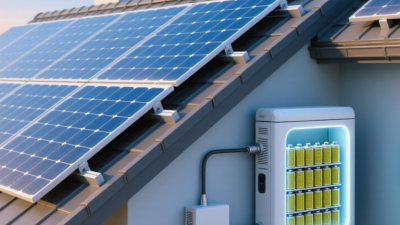
How to Choose Energy Storage Systems for Your Business
Choosing energy storage systems is not simply a matter of buying the largest battery. It begins with a closer look at how your business uses electricity. Review utility bills, interval data, peak demand, and planned operating hours. A cold-storage warehouse, for example, may need reliable backup during an outage, while a factory may value peak-demand reduction. Different jobs call for different system designs.
Dr. Imre Gyuk, a longtime U.S. Department of Energy energy-storage program leader, has described storage as “the key to a clean energy future.” For a business, the practical question is more specific: which costs or operational risks should storage address? Compare battery chemistry, usable capacity, power output, warranties, monitoring, and integration with existing equipment. Ask vendors to explain assumptions behind projected savings, including energy rates and system degradation. A polished payback estimate can still miss important details.
There is no perfect first model. Load patterns change, tariffs can shift, and a system that looks right on paper may need adjustment after installation. Consider safety planning, maintenance responsibilities, financing, and expansion options alongside upfront price. Request comparable proposals and have qualified professionals review site conditions and electrical requirements. The best-fit energy storage systems are those built around measured needs, clear performance expectations, and a realistic plan for what happens when the system needs service.
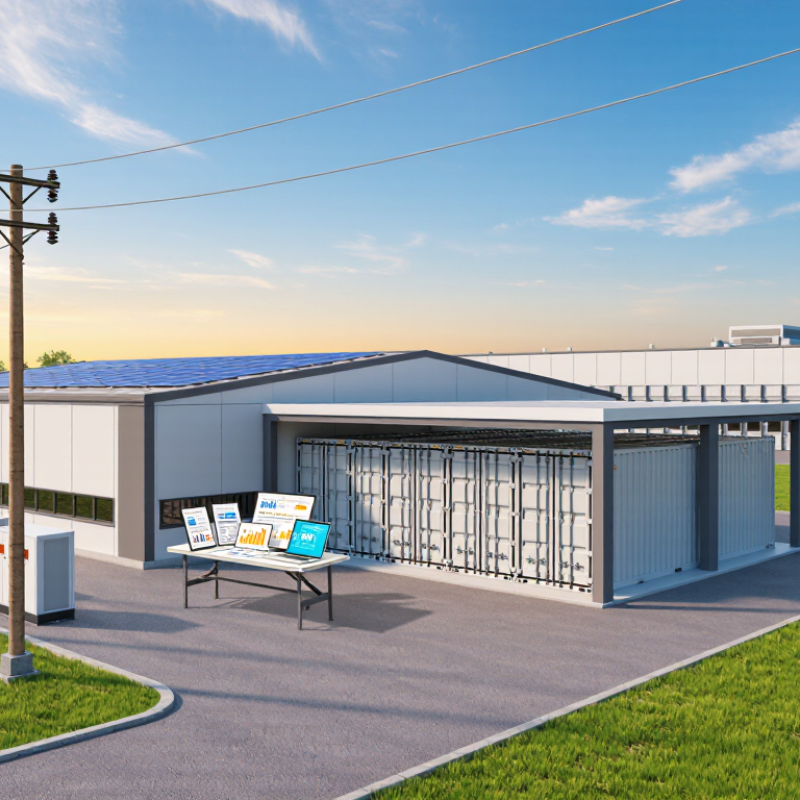
Define Your Business’s Energy Storage Requirements
Define the job before comparing systems. Pull 12 months of utility bills and interval-meter data, ideally at 15-minute resolution. Mark demand peaks, time-of-use charges, and any outages that stopped operations. A bakery may need short bursts of power for ovens; a cold-storage site may need steady backup for refrigeration.
Start with the meter. Record critical loads in kilowatts and required runtime in hours. Then estimate energy capacity in kilowatt-hours, allowing for conversion losses and battery degradation. A spreadsheet is useful, but it can hide messy operating patterns.
Separate the value you need: lower peak charges, backup power, renewable-energy shifting, or some combination. Each changes the required power, duration, and controls.
The U.S. Department of Energy’s Long Duration Storage Shot sets a target of cutting the cost of grid-scale storage lasting 10 hours or more by 90% within a decade. That target signals why duration matters; it is not a promise of current project costs.
The IEA’s Batteries and Secure Energy Transitions report says power-sector battery storage additions rose more than 130% in 2023, reaching 42 GW globally. That growth shows momentum, not a sizing rule for one business.
Keep it honest. Test the proposed system against a hot afternoon, a weekend shutdown, and one real outage scenario. Recheck assumptions with your interval data; estimates are often wrong.
Compare Energy Storage Technologies and System Configurations
Choosing storage starts with the shape of your load, not the battery chemistry. A factory with a sharp evening peak may value short, fast discharge. A cold store may need dependable backup through longer outages. The International Energy Agency reported that global battery storage additions reached about 42 GW in 2023, nearly six times 2022 levels. Most new capacity used lithium-ion batteries, reflecting their established supply chain and response speed.
Compare duration, usable capacity, efficiency, degradation, and space requirements. NREL’s 2024 Annual Technology Baseline models utility-scale lithium-ion storage with a four-hour duration; treat that as a reference case, not a fit for every site. Flow batteries can suit longer discharge needs, while thermal storage may pair well with heating or cooling loads. But site layout and operating costs can overturn the neat comparison. A spreadsheet will miss some headaches.
System configuration matters just as much. Behind-the-meter storage can reduce demand peaks, while solar-plus-storage can shift midday generation into evening use. Standalone systems may offer grid services, but their revenue depends on local market rules and connection limits. Ask vendors for performance at your actual temperature, load profile, and cycling schedule. Include inverter limits, fire-safety design, maintenance access, and replacement costs. Then test the economics against a year of interval-meter data; one unusually hot month is a poor sizing guide.
Size the System for Capacity, Power, and Backup Duration
Choose storage by separating power from energy. Power, measured in kilowatts, determines which equipment can run at once. Capacity, measured in kilowatt-hours, determines how long it can run. Start with interval meter data, then identify critical loads such as refrigeration, pumps, servers, and lighting. For example, a 120 kW critical load running for six hours needs 720 kWh delivered. The installed system must provide more than that, allowing for reserve, conversion losses, and battery aging. The U.S. National Renewable Energy Laboratory’s 2024 Annual Technology Baseline models utility-scale lithium-ion storage at about 85% round-trip efficiency. Actual performance varies by system and operating conditions.
Backup duration should match a realistic outage, not a hopeful guess. Map hourly demand during the season when outages would hurt most. Include brief motor-starting surges, which can exceed steady running power. Then check whether the system can recharge before another outage or peak-price period. A spreadsheet can miss an awkward detail: a large battery may still fail if its inverter cannot start a key motor. Confirm both continuous and surge power with equipment specifications.
Tips: List must-run loads, estimate their hourly energy use, and test a conservative outage scenario. Keep a reserve for uncertain demand; refine it after reviewing a year of meter data.
How to Choose Energy Storage Systems for Your Business - Size the System for Capacity, Power, and Backup Duration
| Business scenario |
Critical load |
Suggested system power |
Nominal energy capacity |
Estimated usable AC energy |
Estimated backup duration |
Example loads to prioritize |
| Small office |
12 kW average |
30 kW continuous |
100 kWh |
About 72 kWh |
About 6 hours |
Network equipment, essential lighting, security, selected workstations |
| Retail store |
36 kW average |
60 kW continuous |
200 kWh |
About 144 kWh |
About 4 hours |
Refrigeration, point-of-sale systems, emergency lighting, communications |
| Light manufacturing site |
120 kW average |
200 kW continuous |
500 kWh |
About 360 kWh |
About 3 hours |
Control systems, selected production equipment, compressed-air controls, safety systems |
| Cold-storage facility |
180 kW average |
300 kW continuous |
1,000 kWh |
About 720 kWh |
About 4 hours |
Refrigeration compressors, temperature monitoring, alarms, essential controls |
Planning estimates only. Usable AC energy assumes approximately 80% of nominal capacity is available for discharge and 90% discharge-path efficiency. Backup duration is estimated by dividing usable AC energy by the stated average critical load; actual runtime varies with load profile, temperature, system settings, aging, and reserve requirements. Confirm continuous and surge-power requirements with a qualified system designer.
Evaluate Costs, Savings, Incentives, and Payback
A useful comparison starts with the full installed cost, not the battery’s listed price. Include inverters, electrical work, permits, software, maintenance, and any planned replacement costs. Ask for assumptions behind the quote, including usable capacity and expected battery degradation. Small omissions can change the economics.
Estimate savings from your actual utility bills and operating schedule. A system may reduce peak-demand charges by discharging during a short afternoon spike, but savings depend on the tariff and how consistently the battery can respond. Model energy losses, reserve capacity, and days when the battery cannot fully charge. Check the details. Compare a typical year with a less favorable one, such as lower savings or higher maintenance costs.
Treat incentives as conditional, not guaranteed cash. Eligibility, application timing, and payment schedules vary by location and project, so verify current requirements with the relevant program administrator or a qualified tax professional. Calculate simple payback by dividing net upfront cost by estimated annual savings, while showing incentives separately. Then test how the result changes if rates, usage, or savings differ from forecasts. Not guaranteed. A payback estimate is only as credible as its assumptions, and those assumptions deserve careful review.
How to Choose an Energy Storage System for Your Business
Compare estimated simple payback across three illustrative battery system sizes.
How to read this: Payback is estimated as net upfront cost after an assumed incentive, divided by estimated annual electricity-bill savings. These planning estimates are illustrative, not quotes or guaranteed savings. Actual costs, savings, and incentive eligibility vary with site conditions, tariffs, usage, and current programs.
| System size |
Estimated installed cost |
Illustrative incentive allowance |
Estimated annual bill savings |
Simple payback |
| 100 kWh |
$120,000 |
$36,000 |
$20,000 |
4.2 years |
| 250 kWh |
$275,000 |
$82,500 |
$43,000 |
4.5 years |
| 500 kWh |
$500,000 |
$150,000 |
$75,000 |
4.7 years |
The incentive allowance shown is a modeling assumption equal to 30% of installed cost—not a guaranteed credit. Confirm current federal, state, and utility incentives and eligibility with a qualified tax and energy professional. Payback excludes financing, maintenance, degradation, and changes in energy prices.
Check Site Suitability, Safety, and Regulatory Requirements
Before choosing a system, check whether the site can safely accommodate its weight, footprint, ventilation needs, and maintenance access. Walk the proposed area: note nearby doors, vehicle routes, drains, and walls that could restrict emergency access. Ask a qualified engineer to review floor loading, flood exposure, temperature extremes, and the electrical connection. A site that looks spacious on a drawing may be awkward to service in winter.
Safety and approvals need early attention. The International Energy Agency’s 2024 report, Batteries and Secure Energy Transitions, says global battery storage capacity must grow sixfold to 1,500 GW by 2030 in its Net Zero Emissions scenario. That growth makes careful planning more important, not less. In the United States, NFPA 855 and UL 9540 are relevant references, but local fire codes, building rules, utility interconnection requirements, and the authority having jurisdiction determine what applies. Confirm equipment certification, emergency-response plans, separation distances, and permitting before ordering. Requirements vary by location.
Tips: Ask the local fire department and utility to review the layout early. Keep access routes clear, document inspection and shutdown procedures, and verify that the proposed system’s certification matches local requirements. Leave room for uncertainty; site constraints can change after detailed review.