What Is Solar Energy Infrastructure?
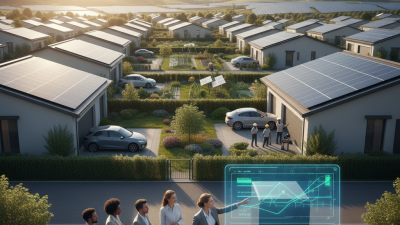
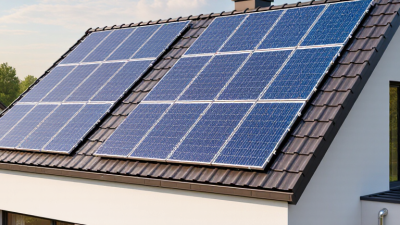
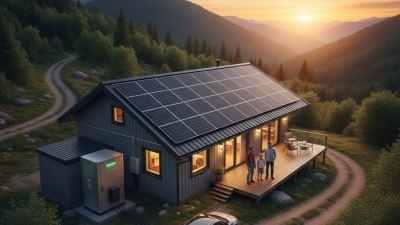
Solar energy infrastructure is the connected system that turns sunlight into usable electricity. It includes solar panels, mounting structures, inverters, wiring, monitoring equipment, and grid connections. A rooftop array may sit above a home, while a utility-scale solar farm can cover many acres. Different settings require different equipment and planning.
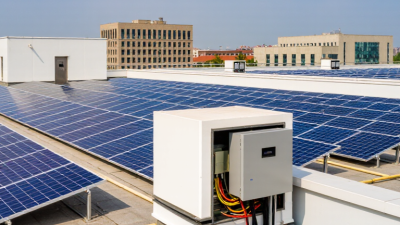
Panels produce direct current, and inverters convert it into alternating current for buildings or the grid. Cables, transformers, and protective devices help move electricity safely and manage changes in output. Small details matter. A damaged cable or poorly placed inverter can affect performance, even when the panels receive strong sunlight.
This guide explains how solar energy infrastructure is designed, installed, and maintained. It explores the roles of generation equipment, energy storage, and transmission connections. Batteries can store surplus electricity for use after sunset, though their cost and capacity affect whether they suit a project. Grid connections also depend on local network conditions and technical requirements.
Performance varies. Weather, shading, equipment quality, and routine maintenance all shape how much electricity a system produces. No single design fits every site, and estimates should not be mistaken for guarantees. That is worth remembering. Understanding the full system—not just the panels—makes it easier to compare projects, assess practical limitations, and see how solar power can support a more reliable energy supply.
Definition and Scope of Solar Energy Infrastructure
What Is Solar Energy Infrastructure?
Definition and Scope of Solar Energy Infrastructure
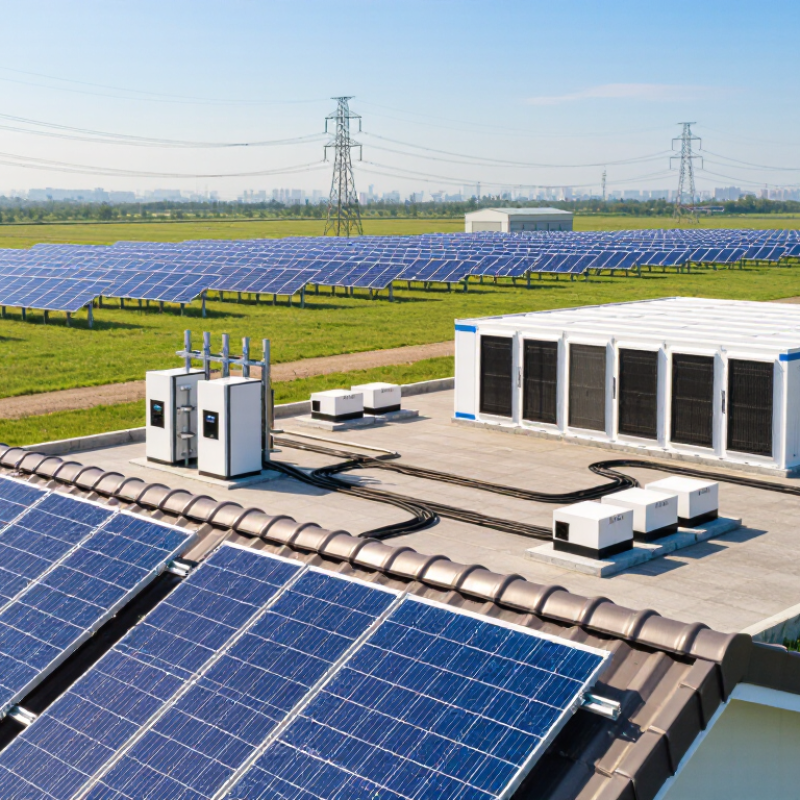
Solar energy infrastructure is the physical and organizational system that converts sunlight into usable electricity. It includes photovoltaic panels, mounting structures, inverters, cables, transformers, batteries, and control equipment. It is broader than a solar farm.
The scope also covers land preparation, access roads, fencing, drainage, and weather monitoring. Grid connections move electricity from the project to homes, businesses, or industrial users. Skilled technicians inspect wiring, clean panels, test safety systems, and track performance through digital monitoring. A small fault can reduce output across thousands of panels.
It is a long lifecycle.
Planning requires solar-resource studies, land assessments, environmental reviews, and local approvals. Construction creates temporary traffic, noise, and material waste. Operations require vegetation control, equipment replacement, and emergency planning. End-of-life work includes dismantling, component recovery, and responsible recycling. Battery storage adds flexibility, but it also requires careful thermal management and trained personnel.
In practical assessments, infrastructure boundaries are not always clear. Some studies count only generation equipment. Others include transmission lines, storage, maintenance facilities, and workforce systems. That difference can change investment estimates and environmental findings. Solar projects may appear simple from a distance. Up close, they are coordinated networks with technical, social, and ecological limits. More data does not always mean better decisions. Poorly measured local conditions can still produce confident, unreliable plans.
Core Components of a Solar Energy System
A solar energy system begins with photovoltaic modules, but modules alone do little.
Cells convert sunlight into direct-current electricity; racking holds each panel at a suitable angle. Wiring and combiner equipment collect the output, while an inverter converts DC into grid-compatible AC.
Small parts matter. Disconnects, grounding, and surge protection help technicians isolate faults and manage electrical risks.
On a rooftop, even a shaded chimney can affect output, so layout matters as much as panel capacity. Batteries are optional, not part of every system.
Meters and monitoring equipment track production and reveal performance changes.
The IEA PVPS Snapshot of Global PV Markets 2024 reports that solar installations added about 456 gigawatts worldwide in 2023, bringing cumulative capacity to roughly 1.6 terawatts.
That scale makes dependable components important, though global figures say little about a single installation’s workmanship.
IRENA’s Renewable Power Generation Costs in 2023 reports that the global weighted-average cost of electricity from new utility-scale solar fell 12% in 2023, to $0.044 per kilowatt-hour.
This is not a household bill: tariffs, storage, and maintenance affect actual costs.
Monitoring can flag a sudden drop, but someone still needs to check for dust, loose connections, or weather damage. Paper diagrams look cleaner.
How Solar Infrastructure Converts and Delivers Electricity
Solar infrastructure is more than a row of panels. It is a chain that turns sunlight into usable electricity. Photovoltaic cells produce direct current (DC), which travels through cables to an inverter. The inverter converts it into alternating current (AC), the form used by homes and the grid. A transformer then raises the voltage for efficient delivery across power lines. At a substation, equipment helps manage voltage and route electricity into the wider network. Small components matter. Loose connections, heat, or shade can reduce output, even when the panels look spotless.
The U.S. Energy Information Administration estimates that about 5% of electricity is lost through transmission and distribution in the United States. That figure varies by year and system, but it shows why delivery infrastructure matters. The International Energy Agency’s Electricity Grids and Secure Energy Transitions report (2023) warns that grid investment and expansion must keep pace with clean-energy growth. A solar farm can generate power at noon, yet homes need reliable service after sunset too. Storage, grid controls, and accurate forecasting help balance that mismatch. Still, no design removes every loss; real sites face weather, maintenance delays, and imperfect forecasts.
Tips: When assessing a solar installation, ask where the inverter sits, how its output connects to the grid, and what monitoring tracks system performance. Look for records of actual production, not just projected figures. Check the basics. A clean panel is useful, but a well-maintained connection is essential.
Major Types of Solar Energy Installations
What Is Solar Energy Infrastructure?
Major Types of Solar Energy Installations
Rooftop solar systems place photovoltaic panels on homes, warehouses, and public buildings. Panels usually face a sunny direction and connect to an inverter, which converts their electricity for building use. Roof angle, shade, and structural strength affect performance. A few hours of afternoon shade can noticeably reduce output.
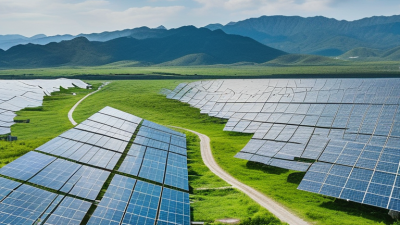
Utility-scale solar farms cover open land with rows of ground-mounted panels. Their electricity typically enters the grid through substations and transmission lines. These projects need careful site assessment, since soil, drainage, wildlife, and nearby communities all matter. Large does not automatically mean efficient.
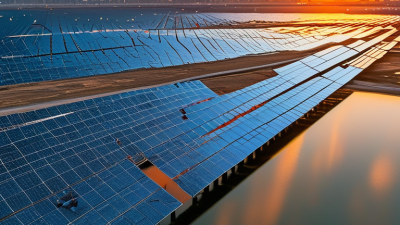
Community solar allows multiple households or businesses to benefit from one shared installation, often when their roofs are unsuitable. Solar carports use parking areas for panels while providing shade below. Floating solar arrays sit on reservoirs or other water bodies, where anchoring and water conditions require special attention. Space matters. Concentrated solar power is another type: mirrors focus sunlight to produce heat, which can drive a turbine. It is less common than photovoltaic installations, and the best choice depends on local sunlight, land, grid access, and project costs. These categories are useful, but real installations do not always fit neatly into one box.
Major Types of Solar Energy Installations
Representative system capacities show how solar infrastructure can range from rooftop arrays to utility-scale power plants. Values are illustrative examples, not averages or fixed size limits.
Residential and commercial systems are commonly installed on rooftops; utility-scale systems are typically ground-mounted and supply electricity to the grid. Actual capacities vary by project and location. Capacity is shown on a logarithmic scale.
Grid Integration, Storage, and System Operation
Solar energy infrastructure includes more than panels. It also relies on inverters, cables, controls, and grid connections that move electricity where it is needed. Grid integration helps keep supply and demand balanced as sunlight changes through the day. Operators track output and grid conditions, then adjust power flows when necessary. A clear afternoon can still bring local congestion if many systems send electricity into the same lines. That matters.
Storage can shift some solar power from sunny hours to evening demand. Batteries charge when generation is plentiful and discharge when output falls, subject to their capacity and operating limits. They do not solve every grid problem. Their value depends on location, control settings, and how often they cycle. System operators also use forecasts, voltage controls, and sometimes curtailment to maintain reliable service. Forecasts miss things. A passing cloud can change output faster than expected, so monitoring and flexible operation remain important.
Tips: Check how a solar system connects to the local grid, not just its panel capacity. Ask how storage is controlled, what happens during outages, and whether export limits apply. Look for clear monitoring data, such as hourly generation and battery status. Small details matter: a battery may be present but configured to reserve capacity for backup rather than daily grid support. There is no single setup that fits every site.
What Is Solar Energy Infrastructure? — Grid Integration, Storage, and System Operation
| Infrastructure Area |
Key Dimension |
Typical Value or Range |
Role in the System |
| Solar generation |
Utility-scale solar PV capacity factor |
About 15–30%, depending on location, technology, and site conditions |
Describes the plant’s actual energy output over time relative to its maximum possible output. |
| Power conversion |
Inverter conversion efficiency |
Commonly about 97–99% at or near rated operating conditions |
Converts the panels’ direct-current electricity into grid-compatible alternating-current electricity. |
| Grid connection |
Interconnection equipment |
Typically includes inverters, transformers, switchgear, protection, and metering |
Connects a solar plant safely to a distribution or transmission network and supports required grid protections. |
| Voltage transformation |
Connection voltage |
Distribution and transmission voltages vary by country and project; transmission systems commonly operate from tens to hundreds of kilovolts |
Transformers raise or lower voltage so power can be transferred efficiently and connected at the appropriate network point. |
| Grid balancing |
Frequency |
50 Hz or 60 Hz, depending on the power system |
Grid operators balance supply and demand to keep system frequency close to its target value. |
| Energy storage |
Battery round-trip efficiency |
Often about 85–95% for lithium-ion battery systems, depending on equipment and operating conditions |
Indicates how much stored electricity can be delivered after accounting for charging and discharging losses. |
| Energy storage |
Battery discharge duration |
Many grid-connected battery projects provide approximately 2–4 hours at rated power; other durations are also used |
Shifts energy to later hours and can provide services such as ramping support and short-term balancing. |
| Forecasting and dispatch |
Solar output forecasts |
Produced for multiple horizons, from minutes ahead to day-ahead |
Helps operators schedule other generation, storage, and reserves as sunlight and cloud cover change. |
| Plant controls |
Active and reactive power control |
Configured to meet the applicable grid-connection requirements |
Allows plant output and voltage-support behavior to be managed in coordination with grid conditions. |
| System operation |
Monitoring and control |
Continuous measurement of generation, equipment status, alarms, and grid conditions |
Supports safe operation, fault response, maintenance planning, and coordination with the network operator. |
| Grid integration |
Curtailment |
May occur when generation exceeds network capacity, demand, or system operating limits |
Reduces output temporarily to maintain secure and reliable operation of the power system. |
Values are indicative planning ranges, not guaranteed performance figures. Actual values depend on location, system design, operating conditions, and local grid requirements.