What is Solar Power Generation and How Does It Work?
Solar power generation has transformed the way we harness energy from the sun. It captures sunlight and converts it into electricity, providing a renewable alternative to fossil fuels. This technology is essential in combating climate change and reducing carbon emissions.
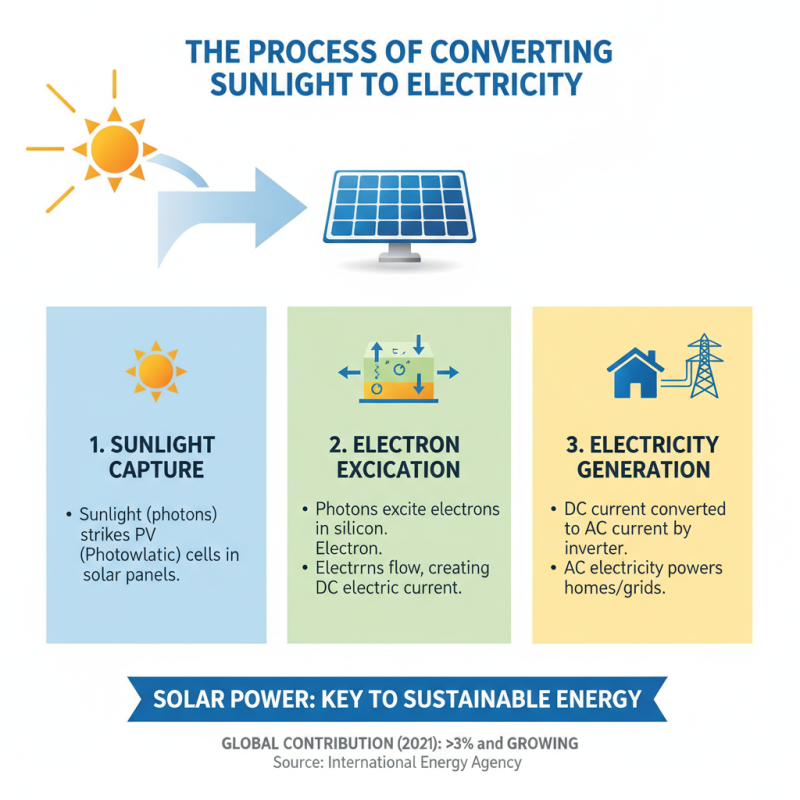
Understanding how solar power generation works requires a glimpse into its mechanics. Solar panels, made of photovoltaic cells, absorb sunlight. This process generates direct current (DC) electricity. An inverter then converts DC into alternating current (AC), which powers our homes.
However, solar power generation isn’t without challenges. Not all regions receive equal sunlight, affecting efficiency. Additionally, initial installation costs can be high, raising concerns for some homeowners. Despite these hurdles, the benefits of solar energy continue to grow. It offers sustainability and long-term savings, making it a pivotal player in our energy future.
Overview of Solar Power Generation
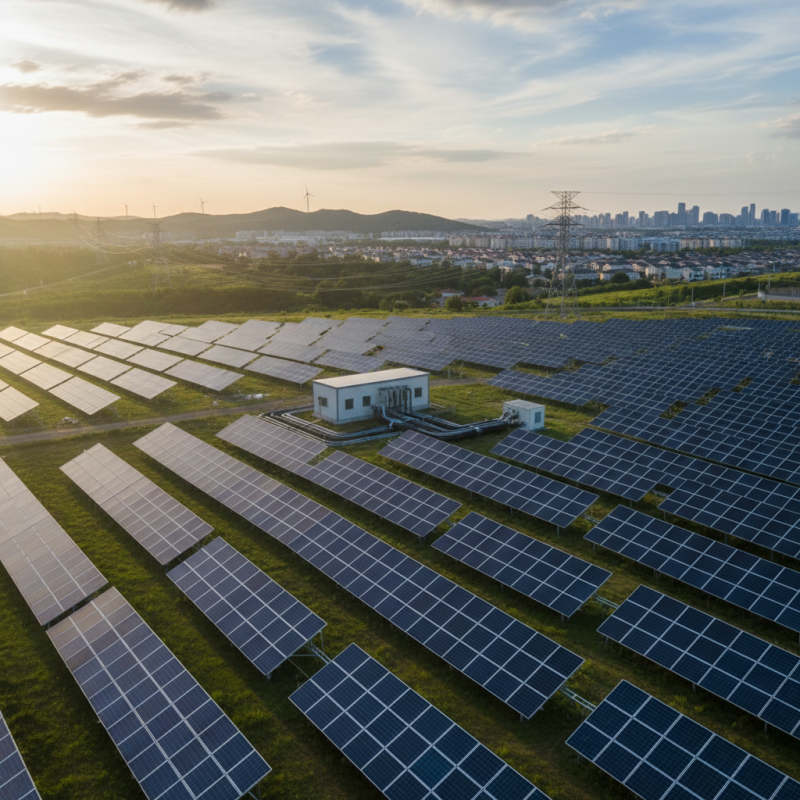
Solar power generation harnesses sunlight to produce electricity. This process involves solar panels converting sunlight into direct current (DC) electricity. According to the International Energy Agency (IEA), solar energy capacity grew by 22% in 2021, showing rapid advancements in technology and efficiency. The average efficiency of commercial solar panels now exceeds 20%.
The mechanism behind solar power generation relies on photovoltaic (PV) cells. When sunlight hits these cells, it excites electrons, creating an electric current. Utility-scale solar farms often deploy thousands of panels, maximizing energy production. The U.S. Energy Information Administration (EIA) reports that solar accounted for about 3% of total U.S. electricity generation in 2021, with significant growth expected in the coming years.
However, challenges remain. Solar power generation can be intermittent, as it is dependent on weather conditions. Nighttime and cloudy days can reduce efficiency. Additionally, the upfront cost for installation can be high, which may deter some users. Despite these hurdles, the potential of solar energy continues to attract investments and innovations within the industry. Continuous improvement in energy storage solutions is essential to enhance reliability.
Types of Solar Energy Technologies
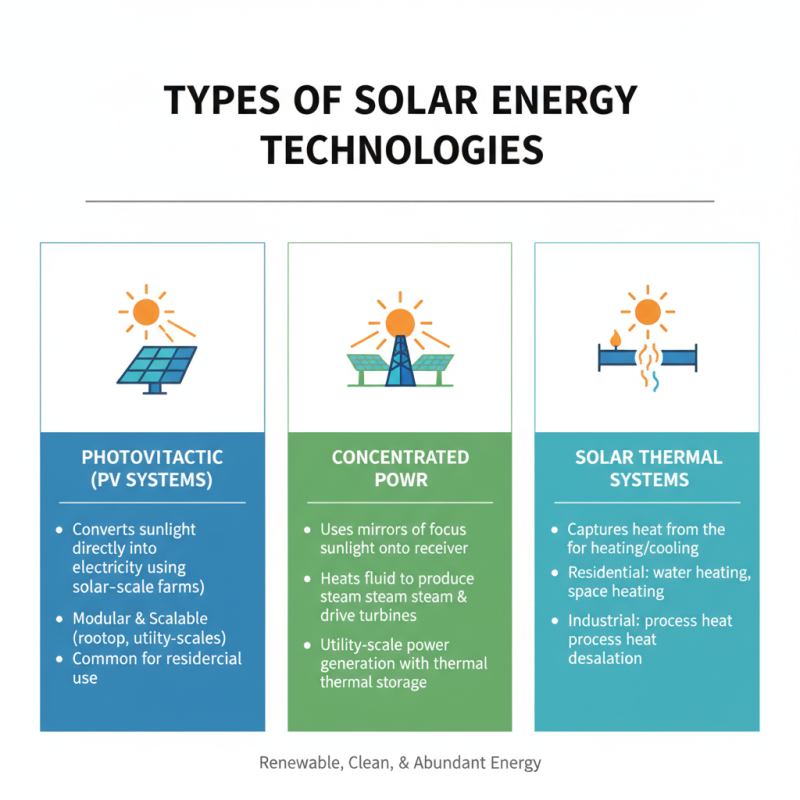
Solar energy technologies can be broadly classified into three main types: photovoltaic (PV) systems, concentrated solar power (CSP), and solar thermal systems. Each has unique features and applications that contribute significantly to the renewable energy landscape.
Photovoltaic systems convert sunlight directly into electricity using semiconductor materials. According to the International Renewable Energy Agency, global PV capacity reached approximately 900 GW by the end of 2020, accounting for about 3% of the world’s electricity generation. This technology is favored for its modularity and decreasing costs. However, the efficiency of PV systems can be influenced by several factors, including geographic location and panel orientation.
Concentrated solar power utilizes mirrors or lenses to focus sunlight onto a small area, generating heat that can produce electricity. The U.S. Department of Energy reported a capacity of around 2.2 GW from CSP plants as of 2021. While this technology allows for energy storage, it requires vast land areas and is mostly viable in sunny regions. Solar thermal systems, on the other hand, capture heat for residential and industrial heating. Although these systems are less common, they offer reliable heating solutions, especially in climates with ample sunshine. Each technology has its strengths and limitations, and understanding these variations is crucial for future advancements in solar energy.
The Process of Converting Sunlight to Electricity
Solar power generation involves converting sunlight into electricity, a process crucial for sustainable energy. Photovoltaic (PV) cells, commonly found in solar panels, are the main components in this transformation. When sunlight strikes a PV cell, it excites electrons, producing an electric current. Data from the International Energy Agency highlights that solar energy contributed over 3% to the global electricity generation in 2021 and is projected to rise significantly.
The efficiency of converting sunlight to electricity is essential. Current technologies can convert approximately 15-22% of solar energy into usable electricity. However, the efficiency varies based on factors such as temperature, light intensity, and the angle of sunlight. Researchers are exploring ways to enhance efficiency further. Also, energy storage presents challenges. Solar energy production peaks during daylight, but demand often rises after sunset. Thus, energy storage solutions, like batteries, are critical for reliable power supply.
Despite rapid advancements, disparities remain in solar technology adoption across the globe. Some regions lack infrastructure and funding for installation. This leads to uneven access to solar energy, emphasizing the need for supportive policies and investment. Addressing these gaps is vital for tapping into the full potential of solar power generation.
Benefits and Challenges of Solar Power
Solar power generation has gained popularity due to its numerous benefits. One significant advantage is its sustainability. Solar energy reduces dependence on fossil fuels. It produces clean energy with minimal environmental impact. Moreover, solar systems can lower electricity bills for homeowners. The installation costs decrease over time, allowing for significant savings in the long run.
Despite its advantages, solar power faces challenges. For instance, solar panels require a large area. This can limit installation options, particularly in urban settings. Additionally, weather conditions can affect energy production. Cloudy days reduce efficiency, leading to unreliable power supply. Storage systems, while improving reliability, add to the overall cost.
Another concern is the production process of solar panels. It often involves energy-intensive methods. This raises questions about overall sustainability. Understanding these complexities is vital. Weighing the benefits against the challenges helps inform decisions. The pathway to widespread solar adoption is not without hurdles.
What is Solar Power Generation and How Does It Work? - Benefits and Challenges of Solar Power
| Dimension |
Details |
| Definition |
Solar power generation is the process of converting sunlight into electricity using photovoltaic cells or solar thermal energy. |
| How It Works |
Photovoltaic panels capture sunlight, generating direct current (DC) electricity, which is then converted to alternating current (AC) for use in homes and businesses. |
| Key Benefits |
1. Renewable Energy Source
2. Reduces Electricity Bills
3. Low Maintenance Costs
4. Environmental Benefits |
| Challenges |
1. High Initial Costs
2. Weather Dependent
3. Space Requirements
4. Energy Storage Limitations |
| Applications |
Residential, Commercial, Industrial, and Utility-Scale Solar Projects. |
| Future Trends |
Increased efficiency in solar panels, innovative storage solutions, and integration with smart grid technology. |
Future Trends in Solar Power Generation
The future of solar power generation looks promising, with significant advancements on the horizon. According to a report by the International Energy Agency, solar energy capacity is expected to triple by 2030, potentially supplying over 30% of global electricity needs. This surge is driven by falling costs and improved efficiency of solar panels. Emerging technologies, such as bifacial panels and floating solar farms, are likely to enhance energy capture and reduce land-use conflicts.
As the solar market evolves, we must recognize the challenges that lie ahead. Energy storage solutions will be crucial to manage variability and ensure a consistent power supply. Reports suggest that battery costs will drop by nearly 50% in the next five years, but widespread adoption remains uncertain. Policymakers will need to address regulatory barriers to fully harness the potential of these innovations.
**Tips:** Consider investing in hybrid systems that combine solar with traditional energy sources. This approach can provide reliability during cloudy days. Engaging with local solar energy communities may also yield insights into practical installation strategies. Keep an eye on policy changes that could impact solar incentives and funding opportunities.
Solar Power Generation Trends (2020-2023)
This chart illustrates the trend in solar power generation from 2020 to 2023, showing a consistent increase in energy production as the adoption of solar technology continues to rise globally.