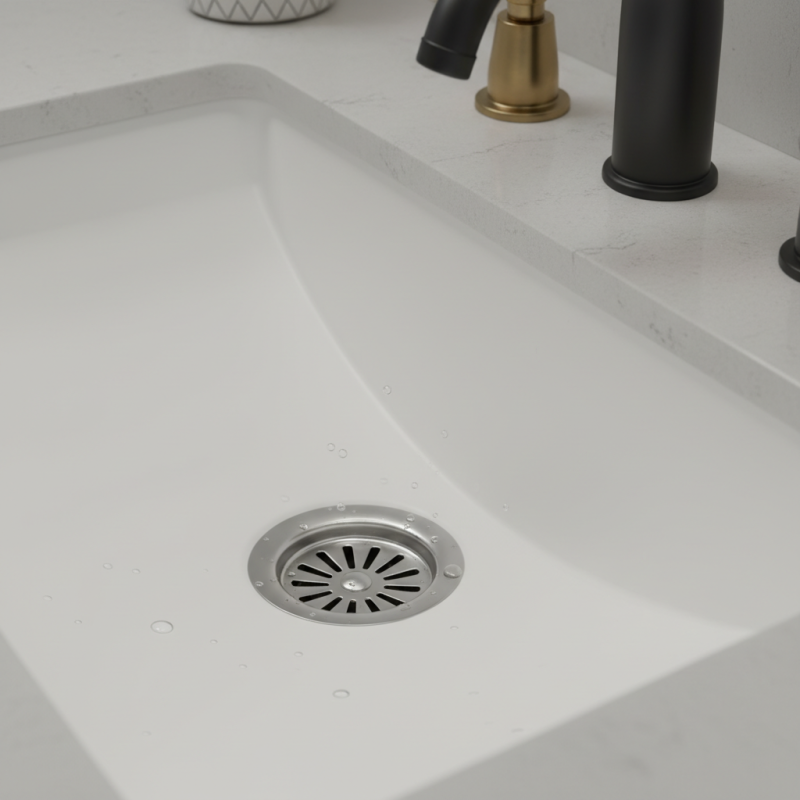
Top 5 Tips for Choosing the Best Basin Sink Drain
Choosing the right Basin Sink Drain is crucial for your kitchen or bathroom setup. A quality drain not only enhances functionality but also complements your sink’s design. It’s easy to overlook this detail, yet the right selection can prevent plumbing issues down the road.
When selecting a Basin Sink Drain, consider materials and compatibility. Stainless steel and brass are reliable options, providing durability and resistance to corrosion. However, some homeowners prioritize aesthetics and might choose a drain that doesn’t withstand everyday use. This oversight can lead to costly repairs.
Budget is also a significant factor. You may find economical options, but investing in a quality drain can save headaches later. Remember, a Basin Sink Drain isn’t just a simple accessory; it’s a vital component of your plumbing system. Making a thoughtful choice here will ensure your sink functions properly for years to come.
Understanding the Different Types of Basin Sink Drains
Choosing the right basin sink drain can be confusing due to the variety of options available. Understanding the different types helps in making an informed decision. The most common types include pop-up drains, lift-and-turn drains, and trip levers. Each type has unique features that suit various needs and styles.
Pop-up drains are popular for their convenience. They allow easy opening and closing with a simple push. Lift-and-turn drains offer a manual solution, requiring you to twist a knob. This direct interaction can feel more engaged but may be less convenient for some. Trip lever drains, often found in bathtubs, use a lever to operate the drain. They combine aesthetics with functionality, but installation can be trickier.
When selecting a drain, consider the material and finish. Stainless steel is durable, while chrome offers a polished look. A mismatch can lead to visual discord in your space. Additionally, think about the installation process. Some drains need professional help, escalating costs and time. The choice should reflect your personal style, but functionality must remain the priority.
Top 5 Tips for Choosing the Best Basin Sink Drain - Understanding the Different Types of Basin Sink Drains
| Drain Type | Material | Flow Rate (GPM) | Compatibility | Installation Difficulty |
| Pop-up Drain | Brass | 2.0 | Standard Basins | Medium |
| Grid Drain | Stainless Steel | 3.5 | Commercial Basins | Easy |
| Tubular Drain | Plastic | 1.5 | All Basins | Easy |
| Strainer Drain | Brass | 2.5 | Standard Basins | Medium |
| Multi-Flow Drain | Copper | 4.0 | Designer Basins | Hard |
Assessing Compatibility with Your Sink Design and Size
When selecting a basin sink drain, compatibility with your sink design and size is crucial. A perfect match ensures proper functionality and aesthetic appeal. Measure your sink's dimensions accurately. Consider the depth and width, as these factors directly affect drain performance.
For the best fit, choose a drain that complements the design style of your sink. Modern sinks benefit from sleek, minimalist drain designs. Traditional sinks might pair better with vintage-style drains. Reflect on your bathroom decor to maintain a cohesive look, as mismatched styles can feel disjointed.
Take note of the drain size. Standard drain openings often measure 1.25 inches or 1.5 inches in diameter. Ensure your selected drain fits snugly to prevent leaks and clogs. A loose fit can lead to issues and costly repairs. Evaluate the overall system compatibility, including plumbing connections. Understanding these elements adds to a stress-free installation experience.
Evaluating Material Quality for Durability and Performance
When choosing a basin sink drain, material quality plays a crucial role in durability and performance. Stainless steel is often seen as a go-to choice due to its resistance to rust and corrosion. It can withstand heavy usage and last longer than many other materials. However, not all stainless steel is equal. Look for grades that assure you of their quality. Cheaper options may compromise durability over time, leading to potential leaks.
Another material to consider is brass. It offers a classic look and is highly resistant to rust. Brass can give your bathroom or kitchen an elegant touch. However, it can tarnish if not properly maintained. Understanding the care required for brass is essential for long-term satisfaction. Sometimes, the aesthetics might draw you in, but remember, maintenance can become an issue.
Lastly, plastic drains are lightweight and inexpensive. They offer a practical solution when budget is a concern. However, they can crack and lose integrity when exposed to heat or harsh chemicals. Reflect on the trade-offs before making a decision. Choosing the right materials involves balancing immediate aesthetic appeal with long-term durability. Each material has its strengths, but understanding their weaknesses helps in making a wiser choice.
Considering Installation Requirements and Ease of Use
When selecting a basin sink drain, it’s crucial to think about installation requirements. Not all drains fit every basin type. Measure your sink. Double-check standard sizes. Different styles require specific fittings, so getting the dimensions right is essential.
Ease of use is another important factor. Many drains have features that enhance user experience. For example, lift-and-turn mechanisms may be easier for some. Others might prefer a pop-up design for quick access. Examine how regularly you need to clean the drain. A straightforward, accessible drain can save significant time.
It's also worth reflecting on your plumbing skills. If you're not experienced, professional help may be wise. Installing a drain can be deceptively tricky. Consider the potential for leaks, which can cause damage. A simple design, while convenient, might not always be the best option. Balance ease of use with your installation comfort level.
Budgeting and Pricing Factors for Selecting a Drain Centerpiece
When selecting a basin sink drain, budgeting is crucial. An informed budget helps you navigate options without overspending. Drain prices can vary widely based on materials, design, and functionality. Expect to spend anywhere from $20 to $150. Investing in quality often saves money in repairs later.
Consider the long-term value of your choice. Cheaper models may lead to leaks or clogs. Spending a bit more on durable materials pays off with decreased maintenance. However, it's also essential to reflect on the aesthetic appeal. The drain should complement your basin while staying within budget.
As you evaluate options, take measurements meticulously. A poorly chosen drain can disrupt your sink's functionality. Check for warranties or guarantees; they reflect the manufacturer's confidence in their product. Balancing cost and quality can be challenging, yet it’s necessary for a successful purchase.
Average Budget Allocation for Choosing Basin Sink Drains