Top Clean Energy Solutions for a Sustainable Future?
In our quest for sustainable development, clean energy solutions stand at the forefront. According to the International Renewable Energy Agency (IRENA), the global renewable energy capacity reached 2,799 gigawatts in 2020, illustrating a significant shift toward cleaner energy sources. This momentum is critical as the world grapples with climate change and environmental degradation. Industry experts emphasize the importance of adopting innovative clean energy solutions to create a sustainable future.
Dr. Amory Lovins, a prominent energy expert, states, “The energy transition is not just necessary; it's also achievable.” His insights remind us that while the path to sustainability is challenging, it is not insurmountable. However, the transition to full reliance on clean energy solutions requires profound changes in policy, technology, and investment. Hydrogen, solar, and wind energy are leading candidates in this transformation. Yet, implementation gaps and infrastructural barriers still need to be addressed to harness their full potential.
The challenge remains formidable, but the potential rewards are immense. As we embrace clean energy solutions, we must reflect on our approach. The responsibility lies with industries, governments, and communities to foster a collaborative environment. Together, we can build a resilient energy system for the future.
Top Clean Energy Solutions Transforming Global Energy Systems
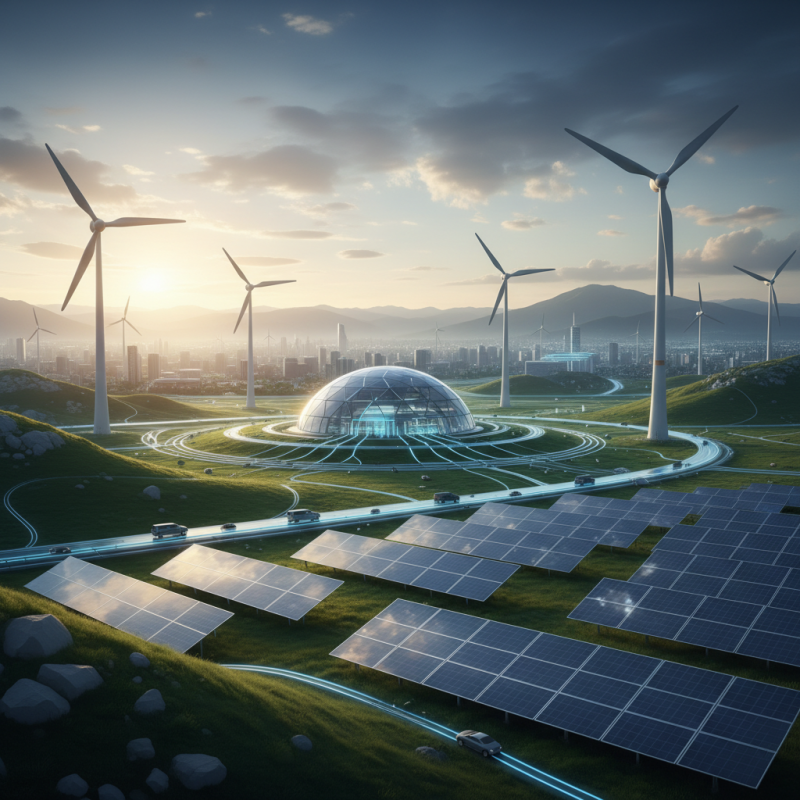
The global shift towards clean energy is reshaping our energy systems. Renewable sources like solar and wind now lead the way. Many countries are investing in these technologies, recognizing their potential to reduce carbon footprints. Solar farms and wind turbines have become common sights. These solutions harness natural resources effectively.
However, challenges remain. Energy storage is crucial for maximizing renewable sources. Batteries can store energy but are often expensive and resource-intensive. Many regions still rely heavily on fossil fuels, slowing their transition to cleaner alternatives. Policies must support innovation and infrastructure development.
Additionally, public awareness is vital. Communities need to understand the benefits of clean energy. Education can drive demand for sustainable practices. Engaging local populations is essential for success. We must acknowledge both advancements and hurdles. Continuous effort is needed to create a truly sustainable future.
The Role of Solar Energy in Achieving Sustainable Development Goals
Solar energy plays a vital role in advancing
sustainable development goals (SDGs).
According to the International Energy Agency, solar power can produce more than
20% of global electricity by 2040. This renewable source significantly
reduces greenhouse gas emissions, contributing to climate action
(SDG 13). In addition, solar installations create jobs,
boosting economic growth (SDG 8).
To maximize the benefits of solar energy, consider these tips: assess your local solar potential
before investing. Research available incentives and programs. Stay updated on technology
advancements that improve efficiency and affordability.
Despite advances, challenges remain. Many regions lack adequate infrastructure to support
solar energy deployment. Additionally, the initial investment
for solar technology can be high, limiting access in lower-income areas.
It’s crucial to advocate for
policies that promote equitable renewable energy solutions. This ensures that solar energy
contributes effectively to a sustainable future for all.
Innovative Wind Power Technologies Driving Down Energy Costs
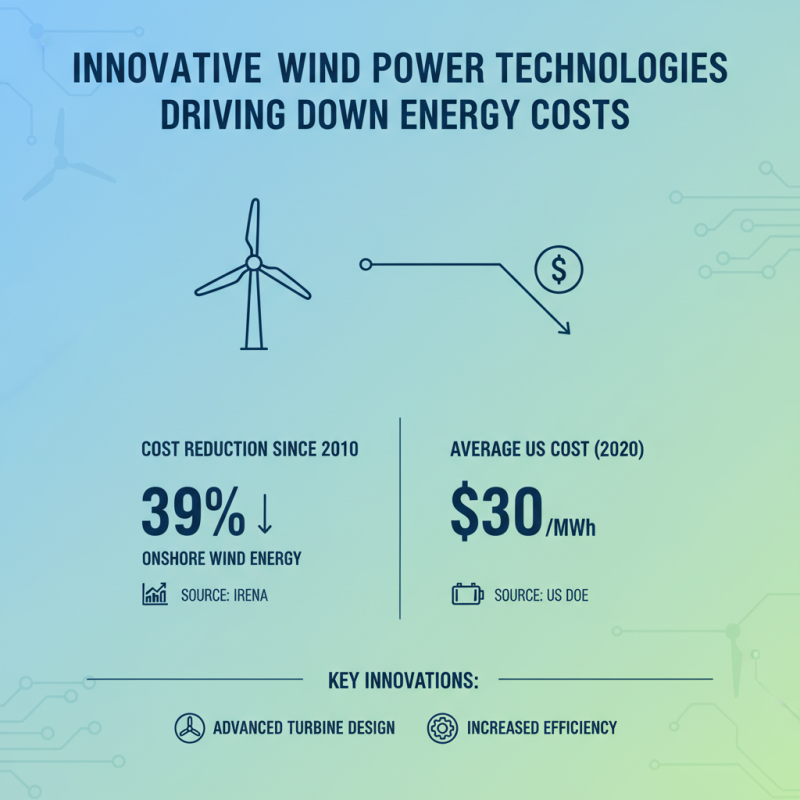
Innovative wind power technologies are transforming the energy landscape. According to the International Renewable Energy Agency (IRENA), the cost of onshore wind energy has dropped by 39% since 2010. This significant reduction is primarily due to advancements in turbine design and efficiency. Modern turbines can now generate more power from lower wind speeds, enabling energy production in less optimal locations. The U.S. Department of Energy reports that the average cost of wind energy fell to around $30 per megawatt-hour in 2020.
However, challenges remain. Efficient integration of wind energy into existing grids is crucial. Energy storage and smart grid technologies are necessary to manage variable wind energy outputs. Additionally, there are concerns about the environmental impacts of land use and wildlife. Awareness and research are vital to mitigate these issues.
Tip: Investing in energy-efficient home systems can complement renewable sources. Use energy storage systems or smart thermostats to optimize energy consumption. They minimize reliance on the grid, offering a resilient energy strategy.
Emerging innovations, like floating wind farms, show promise in harnessing wind energy in deeper waters. These projects can access stronger and more consistent winds. This technology is expected to lower costs further, supporting a cleaner future. Continual investment in research and development will be essential to overcome existing hurdles.
The Impact of Energy Storage on Renewable Energy Adoption Rates
Energy storage plays a crucial role in the adoption of renewable energy. According to a report by the International Renewable Energy Agency (IRENA), energy storage systems can enhance the reliability of renewables. These systems help balance supply and demand, especially when solar and wind resources are intermittent.
In 2022, the global energy storage market grew by 45%, reaching over 60 gigawatt-hours (GWh) of new installations. This rapid growth supports the increasing demand for clean energy solutions. Energy storage allows utilities to store excess power during peak production. It ensures that renewable energy can be tapped at any time, addressing one of the main challenges in renewables.
**Tip:** Consider investing in home energy storage solutions. It can reduce your electricity bills and enhance your energy independence. Home batteries can store excess energy generated by solar panels for later use.
Despite the progress, challenges remain. High costs and limited technology acceptance are barriers. A report from BloombergNEF shows that cost reductions in battery technology are crucial. They predict a 70% decrease in lithium-ion battery prices by 2030. This will potentially make energy storage more accessible to the average consumer.
**Tip:** Always assess your energy needs before investing in storage systems. Proper sizing can maximize efficiency and savings in the long run.
Top Clean Energy Solutions for a Sustainable Future
This chart illustrates the impact of energy storage on the adoption rates of various renewable energy sources. As energy storage technology advances, we can observe significant improvements in the utilization of renewable energies such as solar, wind, and hydroelectric power.
Emerging Biomass Solutions and Their Environmental Advantages
As we look for sustainable energy solutions, emerging biomass technologies are gaining attention.
Biomass, derived from organic materials, offers significant environmental advantages.
It can reduce waste and provide renewable energy.
Using agricultural residues, forest thinning, or waste products, biomass can replace fossil fuels.
Consider bioenergy crops as a robust option.
These crops can thrive on poor soil and require less water.
They grow quickly and can sequester carbon during their life cycle.
When properly managed, they can help combat climate change.
However, there are concerns about land use and biodiversity.
Overreliance on monocultures may harm ecosystems.
Striking a balance is essential.
Tips: Choose diverse biomass sources to enhance sustainability.
Monitor environmental impacts regularly.
Educate yourself on local biomass initiatives.
Communities benefit when local resources are prioritized.
By embracing biomass, we create pathways for a cleaner, greener future.