Top Silicone Tube Manufacturer What to Look For?
The demand for silicone tubes has surged in various industries, from medical devices to food and beverage sectors. As the market expands, selecting the right silicone tube manufacturer is crucial. According to recent industry reports, the global silicone market is expected to grow at a CAGR of 4.6% from 2023 to 2030. This growth highlights the increasing reliance on high-quality silicone products.
When searching for a silicone tube manufacturer, it’s essential to consider factors like quality assurance and manufacturing capabilities. Many manufacturers boast certifications such as ISO 9001, ensuring they meet international standards. However, not all companies provide transparent information about their processes and materials. This lack of clarity can lead to potential risks in product quality and safety.
Moreover, customer reviews and industry feedback are invaluable in assessing a manufacturer's reliability. Engaging with peers in relevant forums can yield insights that statistics alone may not reveal. As industries become more competitive, partnering with a reputable silicone tube manufacturer can make a significant difference. Ultimately, making an informed choice needs careful evaluation and a critical eye on the specifics.
Key Characteristics of a Reliable Silicone Tube Manufacturer
When searching for a reliable silicone tube manufacturer, consider their experience in the industry. A manufacturer with years of expertise typically understands the complexities of silicone production. They are more likely to produce high-quality tubes that meet specific standards. Experience matters. Look for manufacturers who have a strong track record in creating durable and safe silicone products.
Quality control is another key characteristic of reliable manufacturers. Their production processes should include rigorous testing. This ensures that every batch of silicone tubes is consistent and meets safety requirements. A trustworthy manufacturer will be transparent about their quality assurance practices. Certifications and compliance with industry standards additionally indicate their commitment to producing high-quality products.
Customer service is equally essential. A responsive and knowledgeable team can significantly enhance your experience. Good communication helps resolve issues and provides support throughout your project. Reliable manufacturers often have a strong relationship with their clients. However, not every interaction may be perfect. Reflecting on feedback from previous customers can provide valuable insights into the manufacturer's reliability.
Understanding the Manufacturing Process of Silicone Tubes
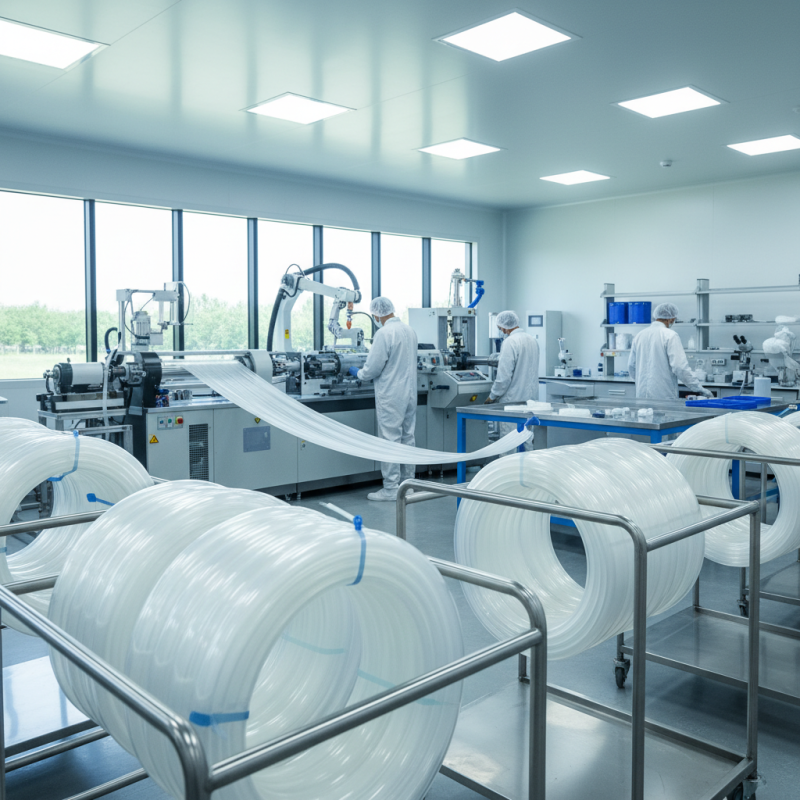
The manufacturing process of silicone tubes involves several steps that ensure quality and durability. Silicone is known for its flexibility and resistance to heat, making it ideal for various applications. The process usually starts with mixing raw silicone materials, including silicone rubber and curing agents. Precise measurements are crucial here to maintain consistency.
Once mixed, the silicone compound is extruded into tubes. This requires specialized machinery that shapes and sizes the tubes according to specifications. Temperature control is vital during extrusion. It influences the properties of the final product. Inconsistent temperatures can lead to defects.
After extrusion, curing takes place. This can be done through various methods, like heat or ultraviolet light. Each method has its pros and cons. Improper curing may cause weak points in the tube. Quality checks are essential throughout. Manufacturers should conduct tests to ensure the silicone tubes meet industry standards. Continuous monitoring helps identify areas for improvement, ensuring reliability and performance in end-use applications.
Silicone Tube Production Overview
Evaluating Product Range and Customization Options
When selecting a silicone tube manufacturer, evaluating their product range is crucial. A diverse range indicates the manufacturer’s experience and capability. For instance, industry reports suggest that companies offering various sizes and formulations tend to meet more customized needs. This is vital in industries such as medical or food processing, where specifications can be stringent.
Customization options also play a significant role. Many manufacturers can tailor products, which aligns with an increasing demand for specific applications. Research shows that 70% of industries prefer customized solutions. This flexibility can lead to improved performance and efficiency in end products. However, not all manufacturers provide thorough customization. Some might offer only limited changes, which could lead to misalignment with industry requirements.
Choosing a manufacturer with robust options requires careful consideration. Analyze their portfolio and past projects for insights into their capabilities. Evaluate the user experiences shared in industry forums or reports. This reflection might reveal potential gaps in their service or product quality, prompting further investigation. Hence, a keen eye on customization is essential for selecting an effective silicone tube manufacturer.
Assessing Quality Control Standards and Certifications
When selecting a top silicone tube manufacturer, quality control standards and certifications are crucial. These factors indicate how well a manufacturer adheres to industry norms. Look for companies with ISO certifications. ISO standards ensure consistent quality and safety in production processes. This shows the manufacturer values quality.
It’s also beneficial to evaluate their testing procedures. Are the tubes subjected to rigorous testing for durability and reliability? Testing should include assessments for temperature tolerance and chemical resistance. Asking for detailed lab results can offer insights into their quality assurance practices.
Moreover, consider the manufacturer’s track record. Experience in the field brings expertise. Newer companies might not have established protocols. Be cautious and request client testimonials or case studies. A record of satisfied clients can demonstrate reliability and credibility. Ultimately, investing time in assessing these factors can enhance your product's success.
Importance of Customer Support and After-Sales Service
When selecting a silicone tube manufacturer, customer support and after-sales service are critical. A responsive team can solve issues quickly. This support often differentiates good suppliers from great ones. Companies that prioritize customer satisfaction tend to build long-lasting relationships. You want a partner who listens and delivers.
Here are some tips for evaluating customer support:
- Check response times. Are they prompt?
- Look for knowledgeable staff who can provide insights.
- Evaluate their willingness to assist with after-sales inquiries.
A reliable manufacturer will offer help even after the sale. This commitment can save you time and money down the line. If you encounter challenges, having a responsive team is invaluable. Furthermore, consider the quality of information provided. Not all manufacturers can anticipate future needs or offer effective solutions. A manufacturer that lacks foresight may put your projects at risk.
When assessing potential partners, remember to reflect on the interactions you have. Were they patient? Did they address your unique needs? A good customer service experience can enhance your overall satisfaction. Diving into these details can lead to better decision-making.
Top Silicone Tube Manufacturer: What to Look For?
| Criteria | Importance | Key Performance Indicators | Customer Rating (out of 5) |
| Product Quality | Essential for durability and safety | Material certifications, temperature resistance | 4.7 |
| Manufacturing Capabilities | Affects production efficiency and timelines | Production capacity, lead times | 4.5 |
| Customer Support | Crucial for problem resolution and satisfaction | Response time, support availability | 4.8 |
| After-Sales Service | Important for long-term partnerships | Warranty terms, return policy | 4.6 |
| Price Competitiveness | Directly impacts buyer's choice | Cost per unit, volume discounts | 4.4 |