2026 Top Solar Energy Technology Trends You Should Know?
As we approach 2026, the landscape of solar energy technology continues to evolve rapidly. Innovations are reshaping how we harness the power of the sun. From advanced photovoltaic cells to smart energy management systems, the future looks promising. These technologies not only enhance efficiency but also reduce costs, making solar energy more accessible.
However, challenges persist. The integration of new solar energy technology into existing infrastructures is not always seamless. Some regions face regulatory hurdles that slow progress. Consumers may be overwhelmed by the choices available, leading to confusion about the best options. It requires careful consideration and guidance to navigate this complex market.
Understanding these trends is essential for stakeholders at all levels. Whether you are a consumer, investor, or industry professional, staying informed can empower you to make better decisions. The journey toward a sustainable energy future is ongoing, and it invites reflection on both achievements and areas for improvement.
Emerging Solar Panel Technologies Revolutionizing Efficiency in 2026
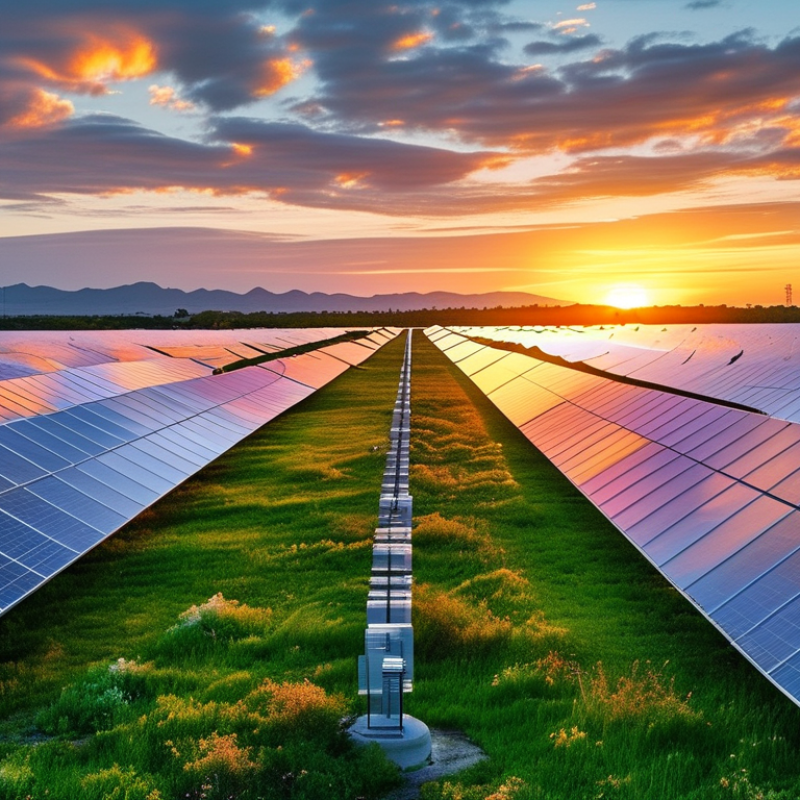
The solar energy sector is witnessing groundbreaking advancements in panel technology, promising a revolution in efficiency by 2026. Emerging technologies, like bifacial solar panels and perovskite cells, are leading this change. Bifacial panels can capture sunlight on both sides, boosting energy generation by up to 30% compared to traditional models. According to the International Energy Agency, solar power could provide as much as 20% of global electricity by 2040. This transformation emphasizes the importance of adopting innovative solar technologies to keep pace with rising energy demands.
There are challenges to consider. The durability and longevity of newer materials, such as perovskite, remain in question. While this material offers high efficiency at a lower cost, it can degrade faster than silicon-based counterparts. Ongoing research is vital to address these concerns and improve reliability. Adopting a cautious approach will be key as the industry navigates these developments.
Decision-makers should keep these trends in mind. Invest in the most promising technologies. Regularly evaluate the performance of deployed systems. Engage with experts to leverage advancements. Building partnerships with research institutions can also lead to better outcomes. Remaining proactive will allow stakeholders to harness the advantages of cutting-edge solar technologies efficiently.
Innovative Energy Storage Solutions Enhancing Solar Energy Utilization
Innovative energy storage solutions are reshaping the solar energy landscape. As solar power installations grow, efficient energy storage becomes essential. According to a recent report by the International Energy Agency (IEA), the global energy storage market is projected to reach 1,095 GWh by 2040. This significant growth highlights the industry's need for reliable and advanced storage systems.
Batteries are at the forefront of these innovative solutions. Lithium-ion batteries dominate the market but are now complemented by other technologies like flow batteries and solid-state batteries. These alternatives offer longer lifespans and enhanced safety features. A study from Wood Mackenzie shows that by 2026, global installations of energy storage systems are set to double, driven by falling costs and increased demand for efficient solutions.
However, challenges remain. Recycling and sustainability of battery materials present ongoing concerns. Besides, integrating these systems with existing infrastructure is complex. As the industry evolves, ongoing research and development are critical. It is clear that enhancing the efficiency of energy storage will drive solar energy utilization to new heights, yet achieving this requires careful consideration and innovation.
Advancements in Solar Inverter Technology for Improved Performance
Advancements in solar inverter technology are crucial for enhancing solar energy performance. In 2023, the global solar inverter market was valued at approximately $10 billion and is projected to reach $18 billion by 2026. This growth highlights the increasing importance of inverters in solar energy systems. The development of string inverters and central inverters has improved efficiency. These inverters convert direct current (DC) from solar panels to alternating current (AC) for home and grid use.
Another innovation is the integration of smart technologies. These inverters now feature monitoring capabilities, allowing real-time data analysis. According to a recent report, smart inverters can improve system performance by up to 30%. However, challenges remain. The reliability of these advanced systems can be an issue. Some smart inverters may face cybersecurity threats, requiring ongoing updates and maintenance to ensure security.
Bifacial solar panel technology is also impacting inverter design. Bifacial panels capture sunlight on both sides, requiring advanced inverter systems to manage increased energy output. This can lead to overloading if not properly managed. The transition to higher voltage systems is essential, but it must be approached cautiously to avoid inefficiencies. The advancements signal a promising future but highlight the need for continuous improvement and vigilant monitoring in the solar inverter sector.
2026 Top Solar Energy Technology Trends You Should Know? - Advancements in Solar Inverter Technology for Improved Performance
| Trend |
Description |
Expected Impact |
Key Feature |
| AI-Driven Inverter Optimization |
Utilizing AI algorithms to dynamically adjust inverter settings for maximum efficiency. |
Increase overall system efficiency by up to 15%. |
Real-time performance monitoring and adjustments. |
| Bi-Directional Inverters |
Inverters capable of feeding power back to the grid as well as drawing from it. |
Enhanced grid stability and user autonomy. |
Smart grid interaction capabilities. |
| Integrated Energy Storage |
Inverters that include built-in energy storage solutions. |
Reduced reliance on external batteries; streamlined installation. |
Seamless transition between solar generation and storage use. |
| Multi-Phase Inverters |
Higher capacity inverters using multiple phases for improved output. |
More flexibility for larger and complex arrays. |
Better output management for varied systems. |
| Smart Monitoring Systems |
Inverters equipped with advanced monitoring features for real-time data access. |
Improved maintenance and proactive performance management. |
User-friendly dashboards and alerts. |
Trends in Bifacial Solar Modules and their Impact on Energy Generation
Bifacial solar modules are transforming the solar energy landscape. These innovative panels can harness sunlight from both sides. This dual functionality significantly boosts energy generation. Studies show they can increase efficiency by up to 20%. This means more power for less surface area. The materials used in these modules also contribute to their effectiveness. They often utilize transparent backsheets, allowing reflected light to enhance output.
Understanding the impact of these advanced technologies is crucial for consumers. Bifacial modules can adapt to various environments. In snowy regions, reflections from the ground increase their performance. In desert areas, they thrive with ample sunlight. However, installation costs may be higher. Also, careful site selection is essential for optimal performance.
For those considering solar energy, keep these points in mind. Research local conditions before choosing bifacial systems. Ensure your roof or ground space is suitable for installation. Also, consider potential shading from nearby structures. The right setup can maximize returns on your investment in solar technology.
Integration of Artificial Intelligence in Solar Energy Management Systems
The integration of artificial intelligence in solar energy management systems is transforming the industry. AI technologies are used to optimize energy production and consumption. They analyze data from solar panels and weather forecasts to adjust operations in real-time. This predictive capability enhances efficiency and reliability.
However, the reliance on AI also raises some concerns. Data privacy is one issue; sensitive information could be exposed during analysis. Additionally, algorithm biases may lead to suboptimal decisions if not properly managed. Relying too heavily on AI can create risks. These risks must be addressed to ensure safety and transparency in solar energy systems.
Despite these challenges, the potential benefits are significant. AI can help identify maintenance needs before they become critical. Improved forecasting of solar energy generation can lead to better integration into the energy grid. As the technology evolves, finding the right balance between automation and human oversight will be crucial for future success. The way forward requires thoughtful consideration of both the strengths and weaknesses of AI in this vital sector.