What is Solar Energy Projects and How Do They Benefit the Environment?
Solar energy projects have gained significant attention in recent years. These initiatives focus on harnessing the sun's power to produce electricity. They play a crucial role in addressing environmental challenges.
The benefits of solar energy projects are vast. They reduce greenhouse gas emissions and reliance on fossil fuels. Additionally, these projects promote energy independence and sustainability. However, the transition is not without challenges. Initial costs can be high, and land use can impact local ecosystems.
Understanding the impact of solar energy projects requires a balanced perspective. While they offer substantial environmental benefits, careful planning is essential. This ensures that we maximize gains without compromising nature. Ultimately, the potential for a cleaner future through solar energy cannot be overlooked.
Definition of Solar Energy Projects and Their Types
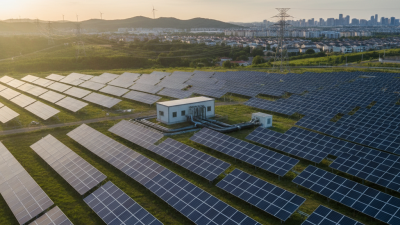
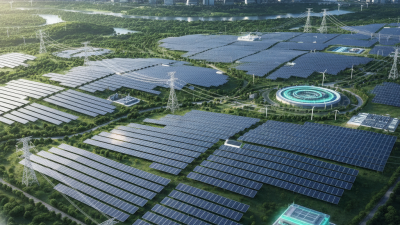
Solar energy projects encompass a variety of initiatives designed to harness sunlight for electricity and heating. These projects can be as small as rooftop solar panels or as large as solar farms that span acres. Each type has its own unique features and benefits, contributing significantly to sustainable energy solutions.
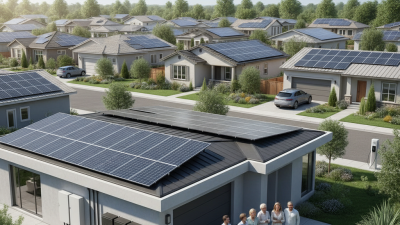
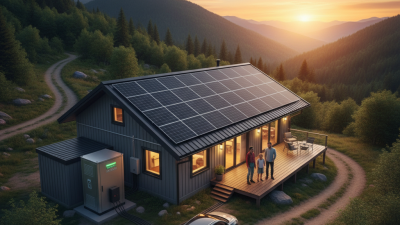
Rooftop solar panels are popular among homeowners. They allow individuals to produce their own energy, reducing utility costs. Solar farms, on the other hand, capitalize on vast open land. These farms generate large amounts of electricity, which can power communities. There are also solar heating systems for residential and commercial buildings. These systems provide warm water and indoor heating, reducing reliance on fossil fuels.
Despite their advantages, some solar energy projects can face challenges. There are issues with land use and ecological impacts. The production process of solar panels can be energy-intensive. Furthermore, the storage of solar energy remains a hurdle. Addressing these challenges is essential for the future of solar energy. Overall, while solar projects have their flaws, they hold great promise for a cleaner, sustainable energy future.
Key Technologies Used in Solar Energy Projects
Solar energy projects utilize several key technologies that drive their success. Photovoltaic (PV) cells are at the forefront. These cells convert sunlight directly into electricity. They come in various forms, including thin-film and crystalline silicon, each with unique efficiencies and costs. The choice of PV technology can impact the overall project performance substantially.
Concentrated solar power (CSP) is another crucial technology. CSP systems collect sunlight using mirrors or lenses. They focus this sunlight to generate heat, which then produces electricity. This method is effective in areas with high solar insolation. However, CSP requires a considerable amount of space and water, posing challenges in certain environments.
Energy storage systems complement these technologies. Batteries store excess energy generated during peak sunlight hours. This stored energy can be used when production drops, such as during cloudy days. However, storage technologies are still evolving and can be costly. Balancing immediate energy needs with long-term sustainability remains a key focus in the industry.
Environmental Benefits of Solar Energy Projects
Solar energy projects offer numerous environmental benefits that can significantly impact our planet. These projects harness the sun's energy, reducing our reliance on fossil fuels. By decreasing fossil fuel consumption, solar energy helps lower greenhouse gas emissions. This reduction is crucial in combating climate change and improving air quality.
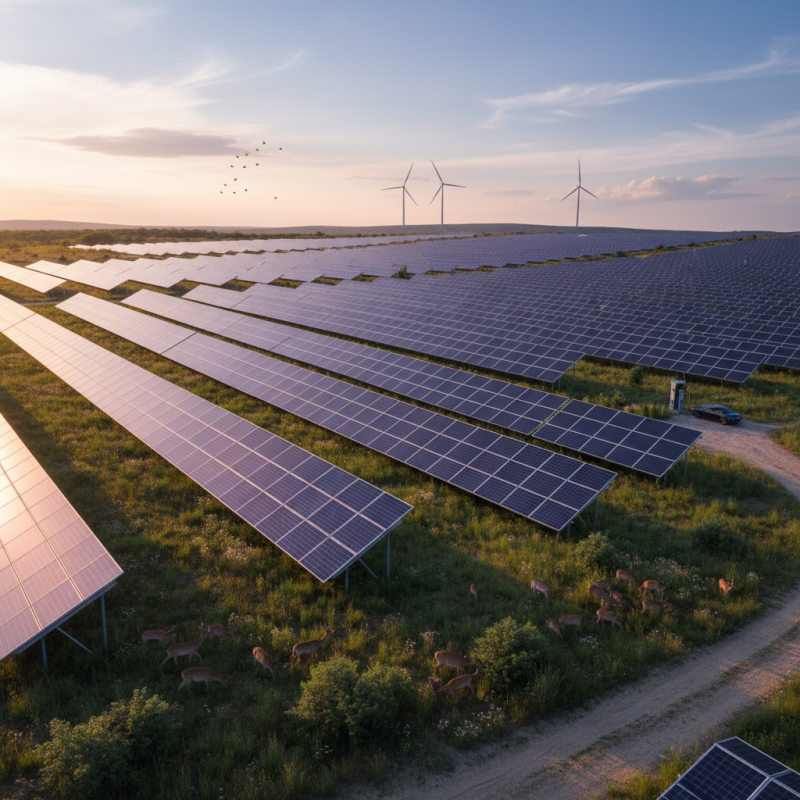
Solar energy projects also promote biodiversity. Traditional energy sources often disrupt ecosystems and wildlife habitats. In contrast, solar installations can be designed to coexist with nature, allowing plants and animals to thrive. For example, solar farms can be implemented on degraded land, restoring these areas while generating clean energy.
However, solar energy is not without challenges. Some installations require large land areas, which can lead to habitat loss for certain species. It's essential to balance energy needs with environmental preservation. Community involvement in planning can address these concerns. Engaging local populations helps ensure that projects benefit both the environment and the community. By fostering a cooperative approach, we can maximize the positive effects of solar energy on our planet.
Environmental Benefits of Solar Energy Projects
This chart illustrates the various environmental benefits of solar energy projects, highlighting the significant reductions in CO2 emissions, water savings, energy savings, waste reduction, and land use efficiency achieved through these initiatives.
Challenges and Solutions in Implementing Solar Energy Projects
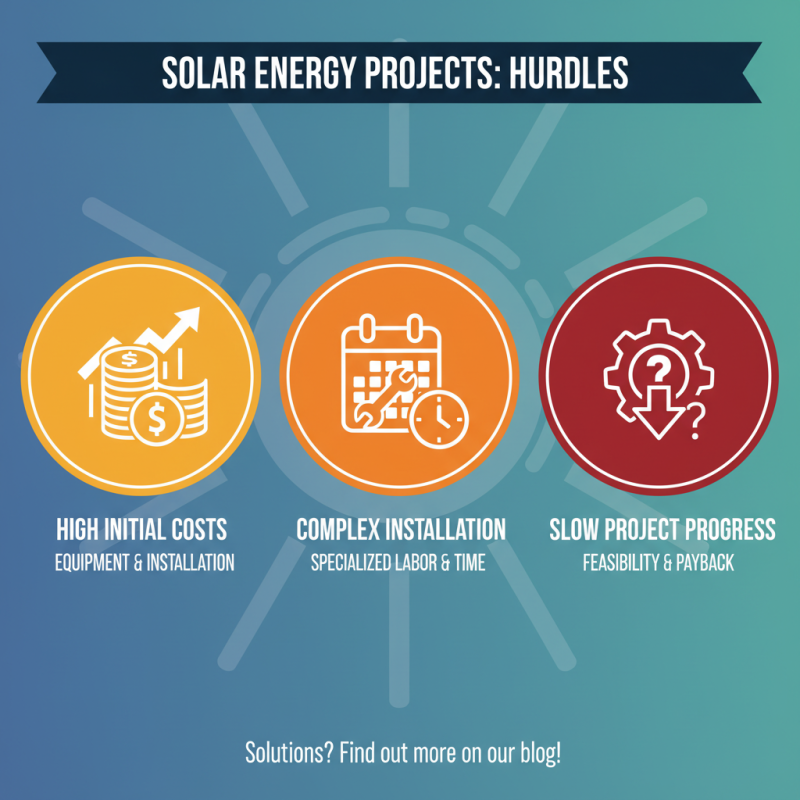
Implementing solar energy projects presents several challenges. For instance, high initial costs can deter investment. The technology itself requires significant upfront funding and may take years to pay off. Additionally, the installation process can be complex, often needing specialized labor. This can slow down the project's progress and affect its overall feasibility.
Another challenge involves land use. Solar farms require large areas, which may conflict with agricultural land or natural habitats. This can lead to environmental concerns, such as the loss of biodiversity. Local opposition can stall projects, causing delays. Furthermore, inadequate infrastructure in some regions hampers the efficient distribution of solar energy.
Solutions are emerging to address these obstacles. Governments can offer incentives to reduce initial costs. Training programs can help create a skilled workforce for installation and maintenance. Innovative land-use strategies, like integrating solar panels with agricultural practices, are being explored. Engaging local communities early in the planning process fosters support and addresses concerns. By tackling these challenges, solar energy projects can flourish and contribute positively to the environment.
Future Trends and Innovations in Solar Energy Development
The solar energy sector is undergoing rapid evolution, influenced by technological advancements and growing environmental concerns. A report by the International Renewable Energy Agency (IRENA) found that solar energy capacity grew by 22% in 2020, showing a significant trend towards renewable sources. Innovations like perovskite solar cells and bifacial panels are expected to increase efficiency and reduce costs. These developments indicate a shift towards more sustainable energy solutions.
Future trends might include improved energy storage systems and smart grid technology. Energy storage is crucial for managing intermittent solar power. According to the Bloomberg New Energy Finance, the energy storage market is predicted to reach 300 gigawatt-hours by 2030. This would enhance the reliability of solar energy, allowing for constant power availability.
While the outlook is promising, challenges remain. Solar panel production has environmental impacts, including resource extraction and waste management. The industry must address these issues, striving for a circular economy approach. As innovation continues, the balance between growth and sustainability must be carefully managed to truly benefit the environment.
What is Solar Energy Projects and How Do They Benefit the Environment? - Future Trends and Innovations in Solar Energy Development
| Project Type |
Location |
Capacity (MW) |
Carbon Offset (tons/year) |
Investment ($ million) |
| Utility-Scale Solar |
California, USA |
500 |
400,000 |
600 |
| Community Solar |
New York, USA |
50 |
40,000 |
75 |
| Residential Solar |
Berlin, Germany |
5 |
4,000 |
10 |
| Floating Solar |
Singapore |
60 |
48,000 |
85 |
| Concentrated Solar Power |
Nevada, USA |
100 |
80,000 |
120 |