China Top 10 Solar Power Generation Projects Transforming Energy Landscape?
China's rapid advancement in solar power generation is reshaping its energy landscape. According to the International Energy Agency (IEA), China accounted for over 40% of global solar power capacity by the end of 2022. This remarkable growth highlights the country’s commitment to renewable energy. By integrating advanced technologies and innovative practices, China is leading the world in solar power generation.
Several projects stand out for their scale and impact. For example, the Tengger Desert Solar Park spans over 1,500 acres, generating 1.5 GW of electricity. This project alone powers millions of homes, illustrating the potential of solar energy. However, challenges remain. Issues related to energy storage and grid integration still need resolution. As the country expands its solar infrastructure, addressing these limitations will be crucial for sustainable growth.
China’s focus on solar power generation demonstrates its strategic response to climate change. The nation aims to reach carbon neutrality by 2060. Achieving this goal requires ongoing investment and innovation in solar technologies. Nevertheless, it is essential to reflect on the environmental impact of large-scale solar farms. Balancing energy needs with ecological preservation is an ongoing challenge.
Overview of Solar Power Generation in China
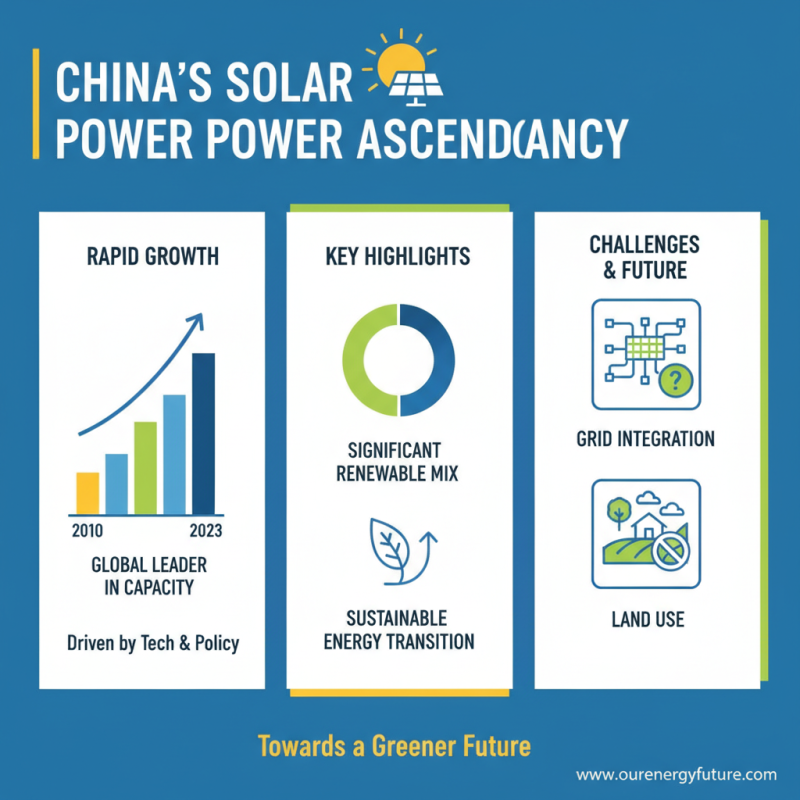
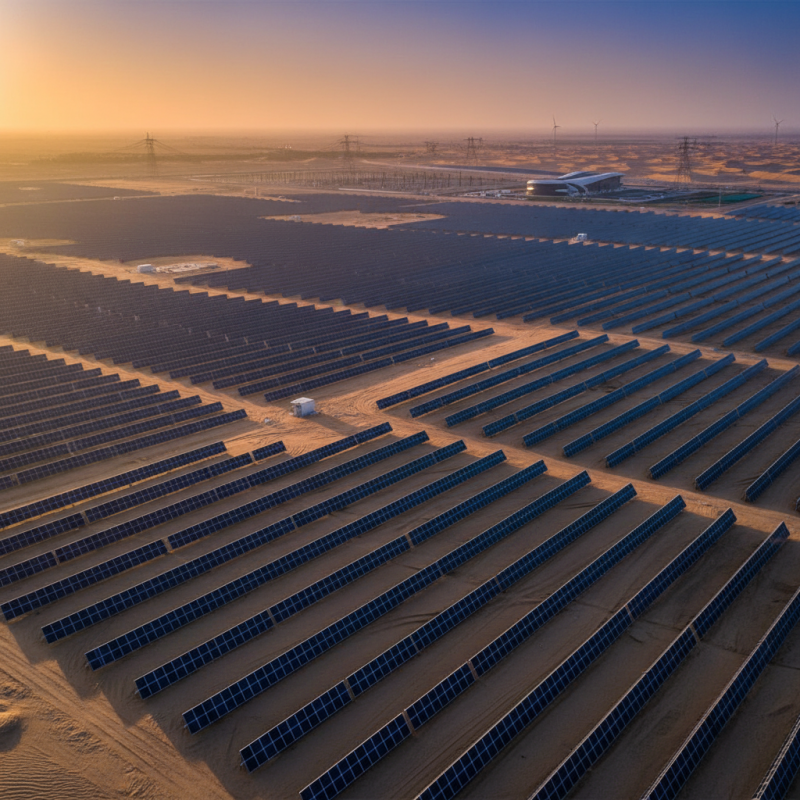
China is firmly establishing itself as a global leader in solar power generation. The country has witnessed remarkable growth in solar capacity in recent years, driven by technological advancements and policy support. Solar energy now accounts for a significant portion of China's renewable energy mix, reflecting a transition towards sustainable energy sources. However, challenges such as grid integration and land use continue to arise.
Many large-scale solar projects illustrate this energy transformation. These projects not only provide clean energy but also promote local economic development. Communities have seen benefits from job creation in manufacturing and installation. Despite these positives, issues like environmental impact and resource allocation demand ongoing attention.
The journey of solar power in China is not without its hurdles. While advancements are evident, the need for innovation remains vital. Ensuring that solar energy integrates seamlessly into the existing energy infrastructure is crucial for future success. Balancing growth with environmental sustainability will be key as China continues to reshape its energy landscape.
Key Features of China’s Leading Solar Projects
China has rapidly transformed its energy landscape through significant solar power generation projects. The nation now leads the world in solar capacity, with over 300 gigawatts installed as of 2023. Projects like the Huanghe Hydropower Golmud Solar Park stand out, boasting a capacity of 2.2 gigawatts. This project showcases innovative designs that optimize land use alongside existing infrastructure.
Key features of these projects include high-efficiency solar panels and smart grid technologies. Many facilities also integrate energy storage systems, enhancing reliability. According to the International Energy Agency (IEA), China accounts for more than 60% of global solar manufacturing. This dominance reflects both investment and commitment to renewable energy.
Tips: When evaluating solar projects, prioritize capacity, efficiency, and integration with existing grids. Monitoring advancements in technology helps identify sustainable investments. Despite significant progress, challenges remain, like recycling solar panels at their end of life. Addressing these issues is crucial for a truly sustainable future.
Impact of Solar Projects on China’s Energy Transition
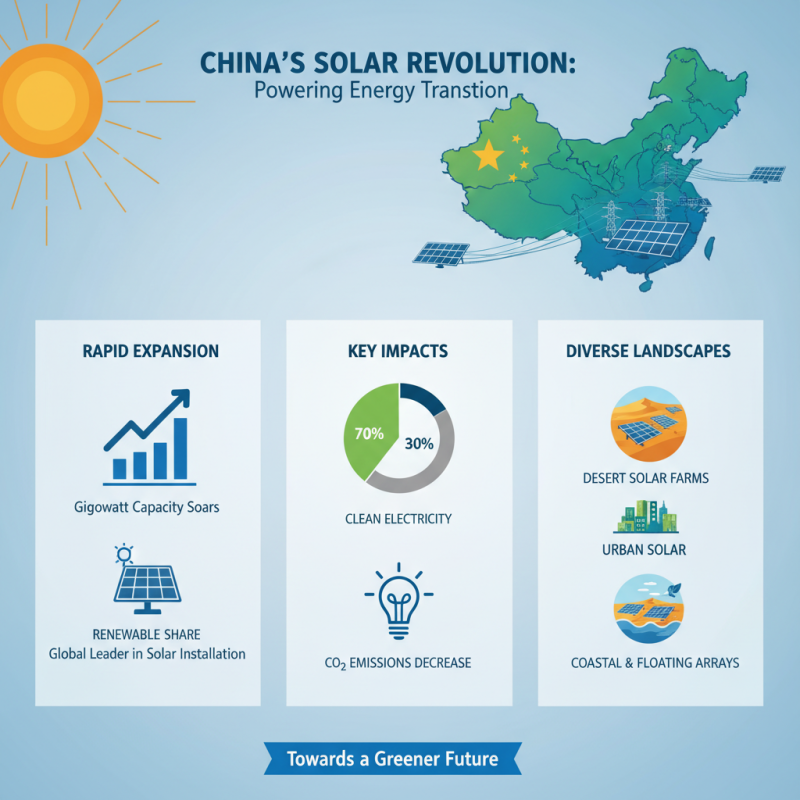
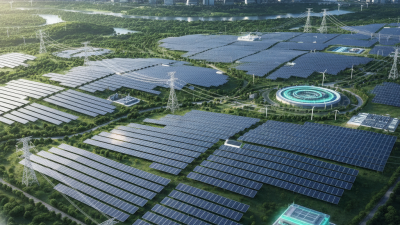
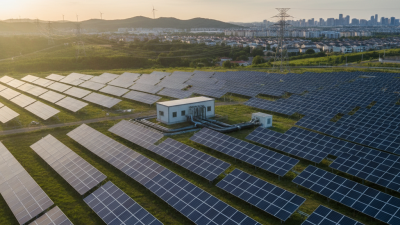
China's solar power generation projects are reshaping its energy transition. The rapid expansion of solar installations reflects the nation's commitment to renewable energy. Large-scale solar farms dot the landscape from deserts to coastal regions. These sites produce substantial electricity, reducing reliance on fossil fuels.
However, challenges remain. Some projects face regulatory hurdles and infrastructure constraints. The integration of renewable energy into the existing grid can be difficult. Additionally, environmental concerns arise regarding land use and resource allocation. Policymakers must balance economic growth with sustainable practices.
Transitioning to solar energy offers opportunities. It creates jobs and promotes energy independence. As solar technology advances, efficiency improves, lowering costs for consumers. Nonetheless, a strategic approach is essential. Continuous investment in research and development is needed to maximize potential. The journey towards a greener energy future is ongoing, reflecting both successes and areas for improvement.
Technological Innovations in Chinese Solar Power Generation
China has positioned itself at the forefront of solar power innovation. Technological advancements are transforming its energy landscape. Solar panels now use bifacial technology, effectively harnessing sunlight from both sides. This improves energy efficiency significantly and reduces land use. Battery storage systems have also seen innovations, enabling better energy management.
The integration of artificial intelligence into solar power systems shows promising results. AI predicts energy output and optimizes panel orientation. However, these systems require careful calibration. Data security remains a concern, as sensitive information is involved. Regular evaluations of these technologies can enhance their reliability.
Despite these advancements, challenges remain. Not all regions in China can access cutting-edge technology. Variability in solar resource availability complicates widespread adoption. Efforts are needed to ensure equitable technology distribution. Continuous improvement will drive progress in China's solar energy sector.
China's Top 10 Solar Power Generation Projects - Energy Transformation
This chart illustrates the energy generation capacity (in MW) of the top 10 solar power projects in China, highlighting the transformative impact of technological innovations in solar energy.
Economic and Environmental Benefits of Solar Energy Initiatives
China's push towards solar power has significantly altered its energy landscape. The top solar power generation projects are not just about clean energy but also economic growth. These initiatives create thousands of jobs, boost local economies, and foster innovation in technology. Solar projects contribute to energy independence, reducing reliance on imported fossil fuels. This shift has begun to redefine the industrial landscape across regions.
Solar energy initiatives offer substantial environmental benefits. By generating energy from the sun, they cut greenhouse gas emissions. This is crucial in combating climate change. However, the rapid expansion of solar farms raises concerns. Land use must be carefully managed to protect natural habitats. Local communities often face changes in land ownership and use, leading to potential conflicts. The balance between development and preservation is delicate and requires ongoing evaluation.
China's solar projects aim to set a benchmark globally. They showcase sustainability, efficiency, and economic viability. Yet, as the projects grow, the challenges become apparent. Transparency and community engagement are essential in this transition. Stakeholders must address the issues to ensure a harmonious balance between development and the environment.
China Top 10 Solar Power Generation Projects Transforming Energy Landscape
| Project Name |
Location |
Capacity (MW) |
Annual Energy Production (MWh) |
CO2 Emission Reduction (tons/year) |
Investment (Million USD) |
| Project A |
Inner Mongolia |
2000 |
3500000 |
1500000 |
300 |
| Project B |
Jiangsu |
1500 |
2625000 |
1125000 |
250 |
| Project C |
Shandong |
1000 |
1750000 |
750000 |
200 |
| Project D |
Shaanxi |
800 |
1400000 |
600000 |
150 |
| Project E |
Zhejiang |
600 |
1050000 |
450000 |
120 |