How to Choose the Best Renewable Energy Solutions for Your Home?
When considering renewable energy solutions for your home, informed choices are essential. Homeowners increasingly seek alternatives to traditional energy sources. This shift not only reduces bills but also promotes environmental sustainability.
Selecting the best options can be overwhelming. Numerous technologies exist, including solar panels and wind turbines. Each solution has its own benefits. For instance, solar energy harnesses sunlight effectively, while wind systems convert kinetic energy into electricity. Your location and energy needs play crucial roles in the decision-making process.
Many hesitate before committing. Understanding installation costs, maintenance, and efficiency is key. Research plays a significant part in ensuring that your choice aligns with your lifestyle and budget. Dive deeper into each solution, reflecting on both advantages and limitations. Thoughtful consideration of renewable energy solutions can lead to a cleaner, more sustainable future for you and your family.

Understanding Renewable Energy: An Overview of Options for Homes
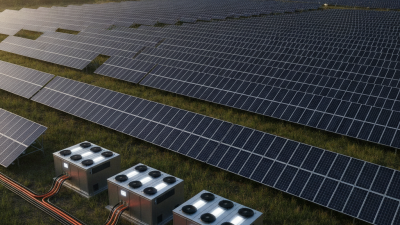
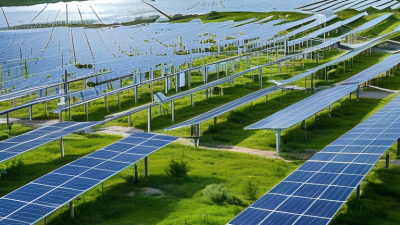
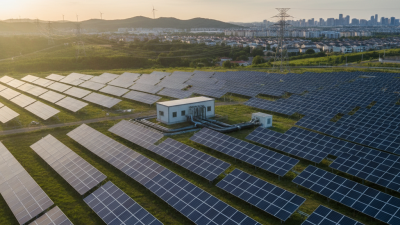
Understanding renewable energy options can seem overwhelming at first. Solar panels are popular for their ability to reduce electricity bills. They harness sunlight and convert it into energy for daily use. Wind turbines are another option, but they require specific locations and local regulations. Geothermal energy can also be efficient, especially in areas with suitable land.
When selecting a renewable energy solution, consider your home's energy needs and budget. Assess your roof's potential for solar installation. Look into local incentives for renewable energy projects. It’s vital to consult with certified professionals who can provide insights based on your unique circumstances.
Tips for choosing the right solution: Always compare multiple quotes from installers. Evaluate their expertise and past projects. Don't forget about maintenance costs; these can vary widely. Consider the long-term benefits versus initial installation. Your chosen solution should align with your lifestyle and environmental goals. Achieving a sustainable home is a journey, not a sprint.
How to Choose the Best Renewable Energy Solutions for Your Home?
| Energy Type |
Description |
Pros |
Cons |
Cost (Average) |
| Solar Energy |
Uses photovoltaic cells to convert sunlight into electricity. |
Renewable, reduces energy bills, low maintenance. |
Initial installation cost, dependent on sunlight availability. |
$15,000 - $30,000 |
| Wind Energy |
Generates electricity from wind using turbine blades. |
Clean energy, profitable for large areas with wind. |
Requires significant space, intermittent energy source. |
$30,000 - $50,000 |
| Geothermal Energy |
Utilizes heat from beneath the Earth’s surface to generate energy. |
Low emissions, consistent energy supply. |
High upfront costs, limited to specific locations. |
$10,000 - $25,000 |
| Hydropower |
Generates power by using flowing water. |
Reliable energy source, can be stored easily. |
Environmental impact on fish populations, high initial costs. |
$20,000 - $50,000 |
| Biomass Energy |
Converts organic materials into energy through combustion. |
Reduces waste, renewable energy source. |
Emissions from combustion, land use changes. |
$5,000 - $15,000 |
Evaluating Energy Needs: Assessing Your Home's Consumption Patterns
Assessing your home's energy consumption patterns is crucial when considering renewable energy solutions.
Start by tracking your monthly utility bills. Analyze peak usage times and seasonal trends. This data reveals how much energy you truly need.
Identify which appliances consume the most power. Refrigerators, heaters, and air conditioners often top the list.
Understanding this helps in selecting the right system.
Consider performing an energy audit. This evaluation highlights inefficiencies in your current setup.
The audit can pinpoint areas where you can reduce consumption, like sealing leaks or upgrading to LED bulbs.
Small changes can significantly lower energy use. Document your findings meticulously for future reference.
Reflect on your lifestyle as well. Do you work from home, or are you frequently away? This affects your energy requirements.
Engage all household members in energy-saving practices. Habits can shift, but adapting to new routines may require patience.
Finding the right balance between comfort and sustainability is not always straightforward.
Comparing Renewable Energy Solutions: Solar, Wind, Hydro, and Biomass
When selecting renewable energy solutions, it’s essential to compare the main options: solar, wind, hydro, and biomass. Each energy source has unique advantages and challenges. Solar panels are popular due to their accessibility and ability to generate electricity even on cloudy days. However, their efficiency can dip in winter months.
Wind energy, on the other hand, thrives in open spaces. Wind turbines can produce substantial energy when placed correctly. Yet, they need consistent wind and can be noisy. Hydro power usually generates energy in areas with flowing water. While it's reliable, building dams can disrupt local ecosystems.
Biomass energy utilizes organic materials. It offers flexibility since many waste products can be converted into energy. Still, burning biomass requires careful management to control emissions.
When choosing a renewable solution, consider local resources and climate. Analyze your energy needs and budget constraints.
Tips: Conduct a site assessment to understand which renewable energy system suits you best. Consult local policies on energy regulations to avoid delays. Engage with experts for an unbiased view on installation and maintenance.
Comparison of Renewable Energy Solutions for Home Use
This chart compares the average cost per kilowatt-hour (kWh) for different renewable energy solutions suitable for home use. Solar energy is currently the most widely adopted option, followed closely by wind, hydro, and biomass. Understanding these costs can help homeowners make informed decisions when selecting renewable energy solutions.
Financial Considerations: Budgeting for Renewable Energy Installations
When considering renewable energy solutions for your home, budgeting is crucial. According to recent industry reports, the initial installation costs can range from $15,000 to $25,000 depending on the energy source. This investment may feel daunting, but the long-term savings on energy bills can be significant. For instance, homeowners could save an average of $1,000 annually with solar energy.
Planning your budget involves more than just installation. Maintenance costs should also be factored in. Solar panels typically require minimal upkeep, but regular inspections can prevent costly repairs. Wind turbines, on the other hand, may require more frequent maintenance. It’s essential to understand these ongoing expenses when budgeting.
Tips: Look for federal tax credits and local incentives. These can cut costs considerably. Also, consider energy efficiency upgrades in your home. They can enhance the benefits of renewable systems and lower the overall investment. Smart spending is key. If your budget is tight, prioritize smaller installations or consider financing options that offer flexible payment terms. This strategic approach can maximize your investment in renewable energy solutions.
Regulatory Factors: Understanding Local Incentives and Permits for Installation
When considering renewable energy solutions for your home, understanding regulatory factors is crucial. Local incentives can significantly reduce installation costs. Many regions offer tax credits, rebates, or grants that promote renewable energy adoption. Investigate what your area provides, as this can influence your decision-making.
Permits are another important aspect. Often, local codes dictate what can be installed and how. The permit process might seem daunting. Delays can occur if proper guidelines aren't followed. Familiarizing yourself with requirements saves time later. Consult with local authorities or energy experts to ensure compliance.
Regulatory environments can change, too. Staying updated on policy shifts is essential. Sometimes, what is available today might not be tomorrow. Engaging with community programs or energy councils can provide insights. Reflecting on these elements can lead to more informed choices about your energy future.