How to Choose Green Energy Systems for Business?
Choosing green energy systems for a business is no longer only an environmental decision. It is a financial, operational, and risk-management decision.
The International Energy Agency reported that global clean-energy investment is expected to exceed $2 trillion in 2024. That figure is almost twice the expected investment in fossil fuels. IRENA’s Renewable Capacity Statistics 2024 recorded 473 gigawatts of renewable capacity added worldwide in 2023. Renewable sources represented 86% of new power capacity. These figures show strong momentum, but they do not guarantee that every system suits every company.
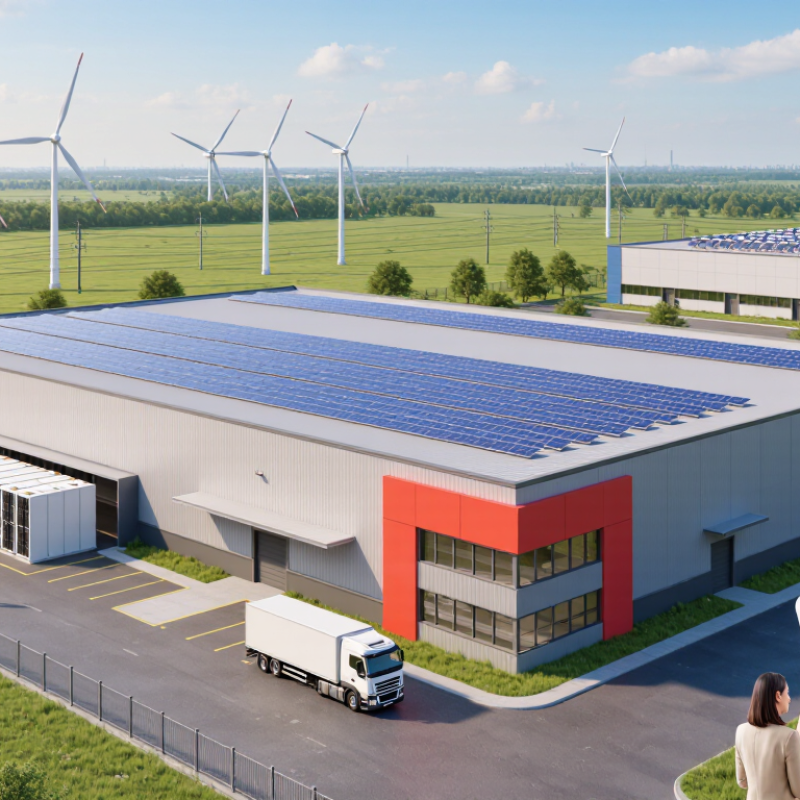
A warehouse with a flat roof may benefit from solar panels and battery storage. A food processor may need dependable heat, making biogas or renewable electricity less obvious choices. A small retailer may value simple installation over maximum generation. Details matter. So does local weather.
Fatih Birol, Executive Director of the International Energy Agency, has said, “The first fuel of the future is energy efficiency.” His point is practical: reducing wasted energy should come before purchasing larger equipment. Businesses should examine electricity demand, peak loads, roof strength, grid rules, maintenance skills, and payback assumptions. They should also test supplier warranties and degradation estimates carefully.
Some projections will be wrong. Energy prices can change. Technology can age faster than expected. A credible decision therefore needs independent data, transparent calculations, and measurable performance targets. The best green energy systems are not always the most visible ones. They are systems that remain useful during cloudy days, equipment faults, and difficult budget reviews.
Understanding Business Green Energy Needs and Objectives
Choosing a green energy system begins with understanding the business, not selecting equipment. A workshop needing steady daytime power has different priorities from a hotel with evening demand. Review twelve months of utility bills, hourly load data, operating schedules, and planned expansion. Smart meters can reveal short peaks that monthly bills hide. Speak with facility managers and staff; their practical observations often expose wasted energy. Numbers matter.
Define the objective in measurable terms: lower emissions, reduce costs, improve resilience, or meet internal targets. These goals can conflict. A large solar array may cut daytime purchases but provide limited help after sunset. Battery storage can shift energy, yet its cost, lifespan, and maintenance require careful modeling. If the site has sensitive equipment, backup performance deserves more attention than attractive payback figures. Check roof condition, shading, grid capacity, local permits, safety rules, and future construction plans before designing. A qualified independent engineer should verify production estimates and electrical compatibility.
Use conservative assumptions for energy prices, weather, equipment degradation, and business growth. Forecasts are never perfect. Test the plan against cloudy weeks, outages, and unexpectedly low production. That exercise may expose a cheaper or more flexible solution. Set a review schedule using clear data: energy generated, peak demand, downtime, maintenance costs, and actual emissions. A system that looks impressive on paper can disappoint when employees cannot operate it properly. Training, accessible controls, and honest performance reporting should be part of the original business case.
How to Choose Green Energy Systems for Business?
Understanding business green energy needs and objectives starts with comparing how consistently each system can generate electricity. The chart below shows representative capacity-factor benchmarks for commercial planning. Actual performance depends on location, resource quality, system design, and operating conditions.
Capacity factor represents the actual electricity generated compared with the system's maximum possible output. Benchmarks are based on typical ranges reported by the U.S. Energy Information Administration and the International Energy Agency.
Assessing Available Renewable Energy System Options
Choosing a renewable energy system for a business starts with evidence, not enthusiasm.
Review twelve months of electricity bills, peak demand, operating hours, and available roof or land. A warehouse may suit solar photovoltaic panels, while a rural facility could consider wind generation. Local sunlight, wind speed, soil conditions, and planning rules can change the result.
Solar usually offers predictable maintenance and simple installation, but roof age, shading, and structural strength require inspection. Wind systems need consistent wind measurements, safe setbacks, and noise assessment. Biomass can provide steady heat, yet fuel storage and delivery may create daily complications. Geothermal systems can be efficient, although drilling costs and underground conditions are difficult to estimate. Battery storage can reduce peak charges, but its useful life depends on cycling, temperature, and operating settings.
Compare each option through total cost, expected output, maintenance, emissions, and payback period.
Ask installers for production assumptions, degradation rates, warranty terms, and independent performance data. A financial model should include grid upgrades, permits, insurance, replacement parts, and downtime. Small details matter. A shaded panel row can weaken an entire design.
Avoid choosing the largest system automatically. Oversized equipment may export surplus electricity with limited financial value. I would also test conservative assumptions, because weather and energy prices rarely follow forecasts. A phased installation can reveal real operating patterns before major expansion. Keep the assessment transparent, documented, and reviewed by qualified electrical and structural professionals.
Comparing Costs, Benefits, Risks, and Performance
How to Choose Green Energy Systems for Business?
Comparing costs begins with the building’s actual energy profile, not a sales estimate. Review twelve months of utility bills, peak demand, operating hours, and seasonal changes. A rooftop solar system may reduce daytime purchases, while storage can lower demand charges. However, batteries add capital costs, replacement planning, and safety requirements. My first estimate was too optimistic because I ignored evening demand.
Benefits should be measured in business terms. Calculate annual savings, maintenance expenses, expected output, and payback time. Also consider carbon reductions, energy resilience, and protection from future price increases. Performance depends on shading, equipment positioning, weather, and maintenance quality. Ask for independently verified production data, not only projected figures. Small details matter.
Risks deserve equal attention. Permits, grid connections, roof conditions, and insurance can delay installation. Severe weather may reduce output or damage exposed equipment. Storage systems can also lose capacity over time. An energy consultant and a qualified electrical engineer can check these assumptions. Their fees are usually modest compared with a poor installation decision. Still, expert advice is not infallible. Request clear warranties, realistic performance ranges, and access to monitoring data. Compare at least three technically similar proposals, using the same electricity prices and operating assumptions. Your cheapest option may perform poorly during the hours your business needs power most.
Planning Installation, Operations, and Regulatory Compliance
How to Choose Green Energy Systems for Business?
Planning Installation, Operations, and Regulatory Compliance
A suitable green energy system begins with evidence, not attractive projections. Review twelve months of electricity bills, peak demand, roof condition, and available space. A small warehouse may need solar panels, battery storage, or both. An office with daytime demand may use solar directly. On-site measurements are more reliable than assumptions.
Before installation, confirm planning permission, electrical approvals, fire-safety requirements, and grid-connection rules. Requirements differ by location and system size. Engage qualified engineers who can provide stamped designs and inspection records. Ask for a clear schedule covering permits, equipment delivery, testing, and worker protection. Do not approve a design that ignores emergency access or battery ventilation. We once treated a roof survey as routine; later, hidden structural weakness changed the installation plan.
Operations require disciplined monitoring. Record energy production, battery temperature, faults, inspections, and maintenance dates. Train staff to respond to alarms without opening restricted equipment. Keep warranties, commissioning documents, and compliance certificates in one accessible file. Review performance against the original load profile each quarter. Some systems underperform because dust, shading, software settings, or seasonal changes were overlooked. That possibility deserves attention.
Regulatory duties continue after commissioning. Update risk assessments when equipment changes, and schedule certified inspections where local rules require them. Consult the utility before adding capacity. A practical compliance calendar is often more useful than a perfect forecast.