Top 10 Clean Energy Solutions for Global Buyers?
As global demand for energy shifts, the pursuit of clean energy solutions has never been more critical. According to the International Energy Agency, renewable energy sources account for nearly 30% of global electricity generation in 2023. This statistic highlights an ongoing trend towards cleaner alternatives. Energy transition is essential to combat climate change and ensure sustainable economic growth.
Investors are keenly aware of this shift. A McKinsey report states that investments in clean energy technologies could reach $3 trillion by 2030, demonstrating robust market potential. However, not all clean energy solutions are equal. As the market grows, challenges such as regulatory hurdles and technology readiness must be addressed. There are gaps in knowledge about what works best in different regions and for various applications.
The potential for clean energy solutions is vast, yet there are areas requiring reflection and adaptation. Effective strategies must align with local contexts and needs. This dynamic environment presents both opportunities and obstacles that warrant careful consideration. Global buyers in this space must navigate these complexities while prioritizing sustainable practices for long-term success.
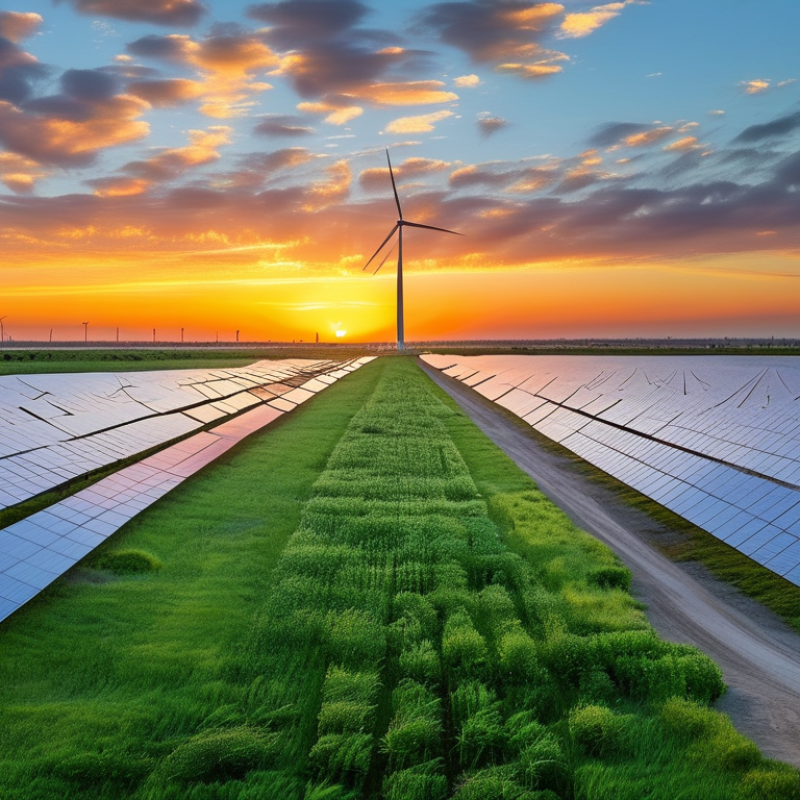
Overview of Clean Energy Solutions for Global Markets
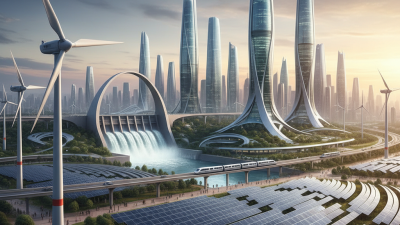
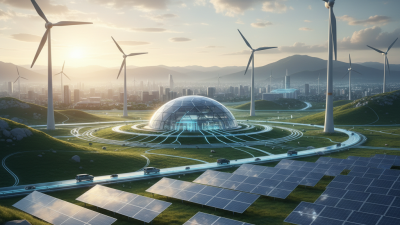
The shift towards clean energy is essential for sustainable development. Global markets are increasingly investing in diverse clean energy solutions. These solutions include solar, wind, hydroelectric power, and bioenergy. Each has unique benefits and challenges, shaping market dynamics.
Solar energy has seen substantial growth. Its popularity lies in its relatively low cost and accessibility. However, efficiency and storage remain concerns. Wind power is another promising option. Turbine technology has improved, resulting in higher output. Yet, geographic limitations can restrict its implementation.
Hydroelectric power serves as a reliable energy source. It provides consistent energy but can impact local ecosystems. Bioenergy is versatile but often faces competition with food production. These varying options highlight the complexity of clean energy. Each solution requires careful evaluation to balance energy needs and environmental impact. Understanding these dynamics is crucial for global buyers navigating the evolving clean energy landscape.
Top 10 Clean Energy Solutions for Global Markets
Solar Energy Technologies and Their Global Adoption
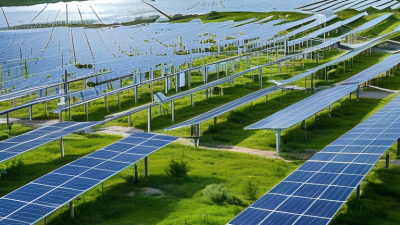
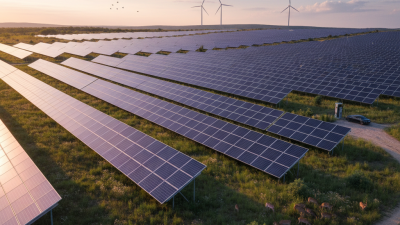
Solar energy has surged in popularity due to its environmental benefits. Recent data indicates that global solar energy capacity reached over 1,000 gigawatts (GW) in 2023. This growth is driven by technological advancements and cost reductions. In some regions, the cost of solar power has dropped by nearly 90% in the last decade.
However, challenges remain. The intermittent nature of solar energy still raises concerns about reliability. Energy storage solutions lag behind demand, limiting the potential for widespread adoption. According to a report by the International Renewable Energy Agency (IRENA), global solar adoption could double if storage technologies improve.
Moreover, not all countries are equally prepared to embrace solar energy. In many developing areas, infrastructure and investment barriers slow down progress. This disparity highlights the need for tailored solutions. Critics argue that reliance solely on solar may overlook other energy sources essential for a balanced approach. Exploring diverse energy strategies can enhance resilience while acknowledging solar energy's growing role.
Wind Power Innovations and Market Expansion Strategies
Wind power is rapidly evolving with innovative technologies reshaping the industry. According to the Global Wind Energy Council, global installed wind capacity reached over 743 GW in 2022. This growth reflects a shift towards cleaner energy solutions amid climate concerns. Many companies focus on offshore wind farms. These projects harness stronger winds, increasing energy output. However, challenges remain in infrastructure and supply chain management.
To capitalize on market opportunities, companies must embrace strategic partnerships. Collaborating with local governments and stakeholders can streamline regulatory processes. Investing in research and development will foster next-gen technologies, enhancing efficiency. Data from the International Renewable Energy Agency suggests that building integrated energy solutions could reduce costs by up to 10%.
Tips: Regularly review new technologies and market trends. Understanding local regulations aids in project planning. Engage with community initiatives to build support for wind projects. An inclusive approach can mitigate opposition and foster sustainable growth.
Emerging Technologies in Energy Storage Solutions
The energy storage sector is rapidly evolving, driven by the demand for clean energy solutions. Emerging technologies are transforming how we harness and store renewable energy. Solutions like solid-state batteries are gaining traction. They offer greater energy density and enhanced safety compared to traditional batteries. However, challenges remain in their scalability and manufacturing costs.
Another notable technology is flow batteries. These systems enable long-duration energy storage, ideal for balancing intermittent renewables like solar and wind. Their flexibility in design allows for easy scalability. Yet, they still face issues related to efficiency and costly materials. Market adoption has been slow, contributing to an ongoing debate about their feasibility.
Developments are also seen in thermal energy storage systems. These can store excess heat for later use, providing a viable alternative. This method can improve efficiency in industrial processes. Nonetheless, the overall integration into existing systems presents logistical challenges. Continuous innovation is essential, but the path forward is not straightforward. There remains a need for reliable technologies that meet global energy demands.
Hydrogen Fuel: Potential and Challenges in the Global Landscape
Hydrogen fuel has garnered attention as a clean energy solution. Its promise lies in producing energy without harmful emissions. When hydrogen burns, it releases only water vapor. This positions hydrogen as a potential game-changer in the fight against climate change. Yet, several challenges remain in harnessing this energy source.
One major hurdle is production. Most hydrogen today is made from natural gas, a fossil fuel. This process can emit significant carbon dioxide. Researchers are exploring more sustainable methods, like electrolyzing water using renewable electricity. The technology is improving, but efficiency and cost are still concerns.
Infrastructure is another challenge. Hydrogen needs specialized pipelines and storage solutions. Many regions lack this, complicating distribution. Safety concerns also arise due to hydrogen's flammability. Addressing these issues is crucial for wider adoption. While the potential is substantial, the path forward requires careful consideration and innovation.