What is Solar Power for Homes and How Can It Save You Money?
As the demand for sustainable energy sources grows, many homeowners are exploring solar power for homes. According to Dr. Emily Schwartz, a leading expert in renewable energy, "Solar power is not just an option; it's a necessity for affordable living." Her insights highlight the essential role of solar energy in reducing household expenses.
Solar power for homes offers savings in multiple ways. By harnessing sunlight, homeowners can significantly lower their electricity bills. Moreover, various incentives, such as tax credits, make solar systems more affordable. However, the initial investment can be daunting for many families. Some may wonder if they can recoup their costs.
Choosing solar power for homes also demands careful consideration. Every home has unique characteristics, which affect the efficiency of solar installations. It’s vital to evaluate the roof’s condition, orientation, and available sunlight. While solar panels offer long-term savings, it's important to weigh the initial setup challenges. Homeowners must be prepared for ongoing maintenance. This approach ensures that solar energy truly enhances their financial future.
Understanding Solar Power: Definition and Basics
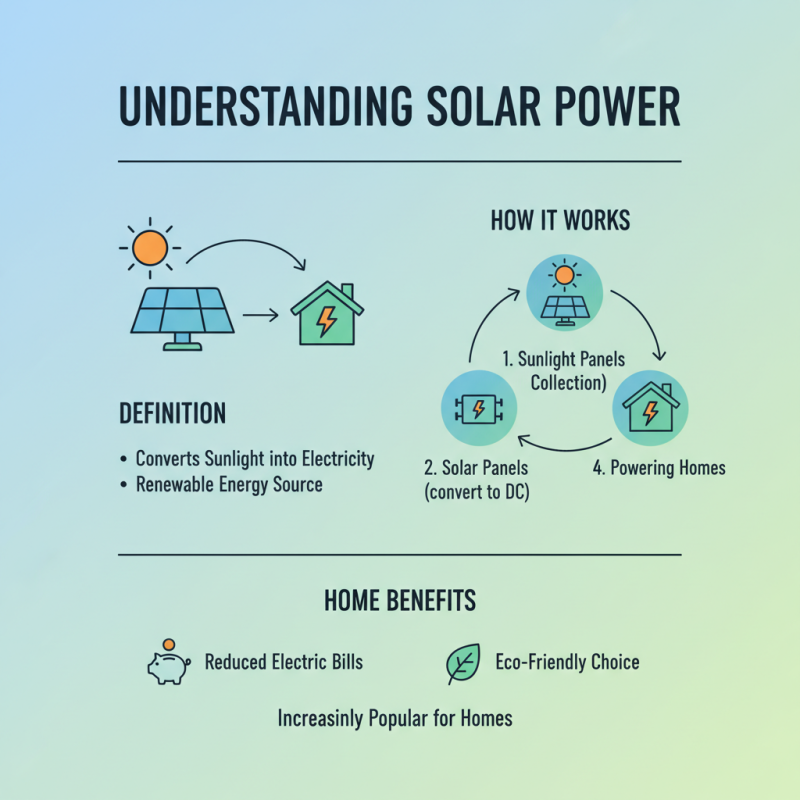
Solar power is an essential renewable energy source that converts sunlight into electricity. It involves solar panels, which collect sunlight and transform it into usable power. This technology has been adopted widely, making it a more common choice for homes. Many homeowners have begun to see the benefits as they invest in solar systems.
Understanding how solar power works is vital. When sunlight hits solar panels, it generates direct current (DC) electricity. An inverter then changes this into alternating current (AC) electricity, which powers your home. This process can lead to lower energy bills, especially during peak usage times. Some may find it daunting, but resources are available to help navigate this technology.
Adopting solar power can involve upfront costs for installation. It requires time and effort to research the best options for your home. Not every roof is ideal for solar panels, and local regulations may affect installation. However, those who persevere often report significant long-term savings. Evaluating your situation can lead to better energy decisions.
How Solar Power Systems Work for Residential Use
Solar power systems for homes harness sunlight to provide energy. In residential setups, solar panels convert sunlight into electricity. This process involves photovoltaic cells that capture light and generate power. The excess energy produced can often be stored in batteries or sent back to the grid.
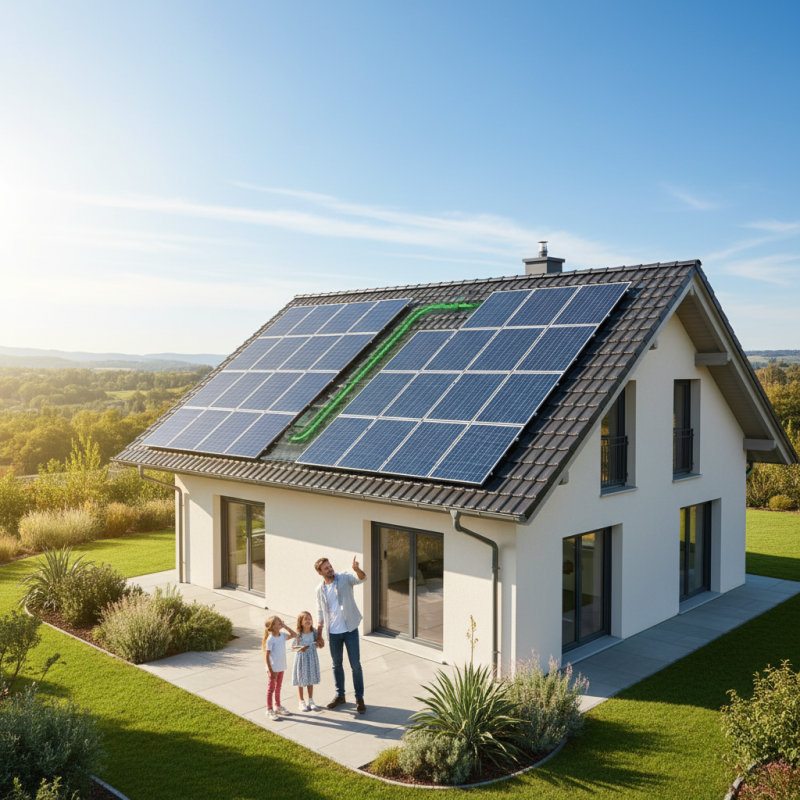
When considering solar power, homeowners should evaluate their roof's orientation and shading. A south-facing roof typically captures the most sunlight. Keep in mind that local weather can affect performance. Understanding your region's solar potential is crucial.
Tips for going solar: Assess your energy needs before installation. It helps in choosing the right system size. Look into available incentives and tax credits to maximize savings. Regular maintenance can ensure efficiency, but not all homes are suitable for solar. Sometimes, initial costs can seem daunting, and it's important to weigh long-term benefits. Investing in solar energy is indeed a commitment.
The Financial Benefits of Solar Power for Homeowners
Solar power offers significant financial benefits for homeowners. By harnessing sunlight, families can reduce or even eliminate their electricity bills. This leads to substantial savings over time. Initial investment costs may seem high. However, various incentives and tax credits can offset these expenses. Over the lifespan of a solar system, homeowners often save a considerable amount.
Installing solar panels can increase property value. Many buyers seek homes equipped with renewable energy sources. Homes with solar energy systems generally sell faster and at higher prices. Additionally, solar power protects homeowners against rising energy costs. With traditional energy rates fluctuating, solar energy remains stable.
Of course, challenges exist. Not everyone can install solar panels due to roof orientation or local regulations. Not all regions receive the same amount of sunlight year-round. It’s important for potential users to conduct thorough research. Understanding specific local conditions is key before making a decision. Solar power won’t suit everyone, but for many, it is a long-term investment that pays off.
Factors to Consider When Installing Solar Panels
When considering solar panels for homes, several key factors come into play. First, the installation site matters greatly. A roof with optimal sun exposure can significantly enhance energy efficiency. According to the National Renewable Energy Laboratory, a well-placed solar panel can yield up to 25% more energy than less ideal placements. Homeowners need to assess shading from trees or neighboring buildings, which can drastically reduce solar output.
Next, understanding local incentives is crucial. Many states offer tax credits or rebates. The Database of State Incentives for Renewables & Efficiency lists over 2,000 policies aimed at promoting solar adoption. Homeowners in areas with robust incentives can expect returns on investment within five to eight years. This can yield substantial savings, sometimes up to $30,000 over 20 years, depending on energy rates and usage.
The quality of equipment is another vital consideration. Not all solar panels are created equal; efficiency varies widely. Studies show that higher efficiency models can convert up to 22% of sunlight into electricity. While these may come with a higher upfront cost, the long-term savings often justify the investment. Homeowners should consult reliable sources and review warranties to gauge product reliability. Taking these factors into account can guide a more informed decision.
Long-Term Savings: Evaluating Return on Investment for Solar Energy
Investing in solar energy for homes can lead to significant long-term savings. When evaluating return on investment (ROI), it's crucial to consider several factors. Initial costs can be high, but many find that the benefits outweigh these upfront expenses. Homeowners often report a decrease in monthly energy bills after installing solar panels. This can create a more predictable budget for energy use.
Evaluating ROI involves looking beyond just financial savings. Solar energy can increase home value. Real estate studies show that homes with solar panels often sell for more. Additionally, governmental incentives can help reduce the payback period for the investment. Yet, the installation process can present challenges. It's essential to research local regulations and potential issues with installation. Not all homes are ideal candidates for solar energy, and some may experience shading problems.
Some homeowners might feel overwhelmed by maintenance concerns. Solar panels generally require little upkeep, but awareness of potential issues is essential. Regular inspections can help prevent long-term problems and ensure optimal performance. Remember, the best way to understand your specific ROI is through careful analysis of your unique situation and energy needs. Solar can be a wise investment, but it's important to approach it with careful consideration and realistic expectations.