How to Choose Solar Panel Systems in 2026?

How to Choose Solar Panel Systems in 2026?

Choosing solar panel systems in 2026 requires more than comparing the highest efficiency percentage. A suitable system must match your roof, climate, electricity demand, budget, and future plans. A small south-facing roof may need high-efficiency panels, while a larger roof could favor lower-cost modules. Shade from trees matters, even during winter.

As energy economist and International Energy Agency Executive Director Fatih Birol has said, “Solar PV is now the cheapest source of electricity in history.” That advantage does not make every system equally valuable. Panel efficiency, temperature performance, degradation rates, inverter quality, battery compatibility, and warranty terms deserve careful review. A low-priced package can become expensive if replacement parts are difficult to obtain.

Look beyond the sales brochure.

Reliable decisions also require installer verification. Check licensing, insurance, installation history, monitoring equipment, and the details of labor coverage. Ask for an estimated annual energy yield, not only the panel’s laboratory rating. Local weather records can reveal how dust, snow, heat, or frequent clouds may affect production.

There is no perfect setup. Batteries may improve resilience, but they add cost, weight, and maintenance considerations. Smart energy management can reduce grid purchases, yet savings depend on actual household behavior. Even expert forecasts contain uncertainty.

This guide explains how to compare solar panel systems with practical evidence and realistic expectations. It focuses on performance over time, transparent pricing, safety, and long-term service. The best choice is rarely the flashiest one. It is the system that performs reliably on your roof and remains understandable years after installation.

How to Choose Solar Panel Systems in 2026?

Solar Panel System Basics and Key Technologies in 2026

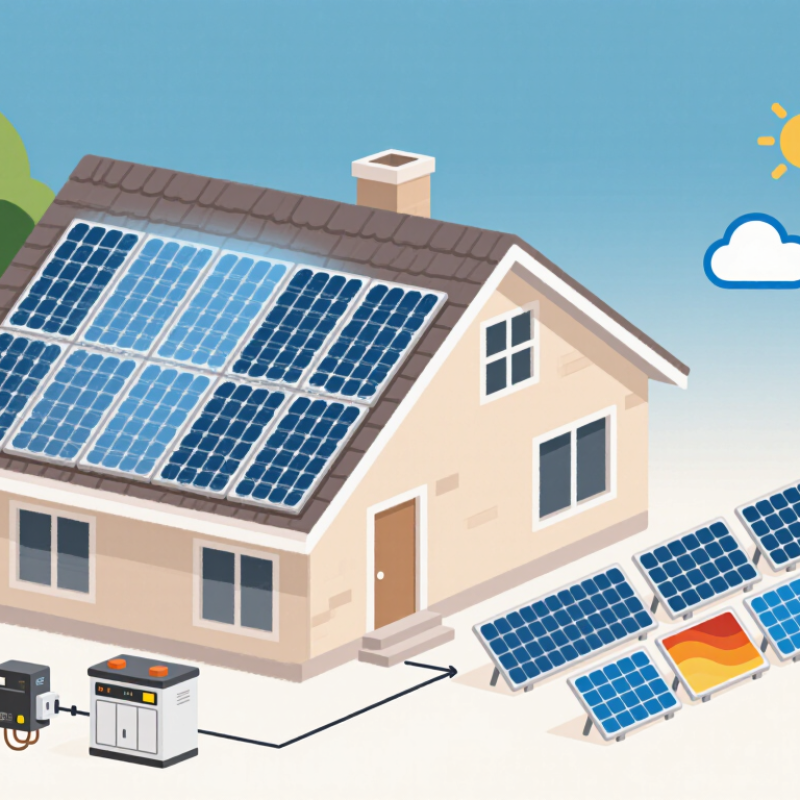
Choosing a solar panel system in 2026 starts with understanding how each part works together. Panels convert sunlight into direct current electricity. An inverter changes it into usable alternating current for household circuits. Modern systems may use string inverters, microinverters, or power optimizers. Each option handles shading and maintenance differently.

A shaded roof needs careful design. One chimney can reduce output across several panels in a traditional string layout. Microinverters can limit that effect, but they may add equipment on the roof. Battery storage saves excess daytime energy for evening use. Check usable capacity, round-trip efficiency, backup limits, and battery temperature requirements. A larger battery is not automatically better. It can be expensive and remain partly unused.

I would measure annual electricity use before comparing system sizes. A winter heating bill can reveal more than a sunny summer month. Roof direction, pitch, local sunlight, wind exposure, and structural strength also matter. My first estimate was too optimistic because I ignored afternoon shade from a nearby tree. That mistake changed the expected payback period. Ask for production simulations, equipment warranties, electrical protection details, and compliance with local grid rules. An experienced installer should explain maintenance access and emergency shutdown procedures clearly. Do not rely only on online calculators. They simplify real roofs.

Assessing Your Energy Needs, Roof, and Local Solar Conditions

How to Choose Solar Panel Systems in 2026?

Assessing Your Energy Needs, Roof, and Local Solar Conditions

Begin with twelve months of electricity bills, not a guessed system size. Mark seasonal peaks, especially during winter heating or summer cooling. A household using 900 kilowatt-hours monthly needs different capacity from one using 450. Consider future loads, too. Electric vehicles, heat pumps, and home offices can change demand quickly. A certified installer should verify these estimates with on-site measurements.

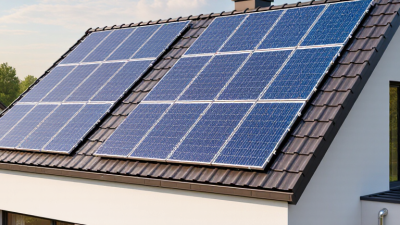
Your roof matters as much as the panels. Check its age, material, slope, and available area before installation. South-facing surfaces often receive strong sunlight in many regions, but east- and west-facing roofs can still perform well. Watch for chimneys, nearby trees, vents, and afternoon shadows. One shaded corner can reduce output more than expected. I would not ignore roof repairs. Installing panels over damaged shingles may create an expensive mistake.

Local solar conditions require closer attention. Compare sunlight levels, snow, dust, wind, and extreme temperatures in your area. Ask for production estimates based on local weather data, not perfect sunny-day assumptions. Request details about grid connection, export limits, inspection requirements, and seasonal electricity rates. These rules vary by location and may change. Battery storage also deserves careful analysis; it can improve evening reliability, but its value depends on usage patterns and local tariffs. Estimates are never promises. Recheck every figure.

How to Choose Solar Panel Systems in 2026? - Assessing Your Energy Needs, Roof, and Local Solar Conditions

Planning ranges are indicative. Final system size should be confirmed using 12 months of utility data, a site-specific shade study, structural review, and local interconnection rules.
Assessment Area Measured Input or Condition Favorable Range Potential Concern 2026 Planning Guidance
Annual electricity use Review the previous 12 months of electricity bills, measured in kWh. Use actual annual consumption rather than an estimated monthly average. Future electric vehicles, heat pumps, electric water heating, or home additions can increase demand. Add a separate load forecast for major appliances expected within the next 5–10 years.
Low-use household About 4,000 kWh/year Approximately 2.4–3.3 kW of solar capacity Small roofs, partial shade, or unusually high winter consumption may require a larger array. Plan for roughly 6–9 panels rated near 400 W each, subject to local production.
Average-use household About 8,000 kWh/year Approximately 4.7–6.7 kW of solar capacity A north-facing or heavily shaded roof can reduce usable capacity. Plan for roughly 12–17 panels rated near 400 W each.
High-use household About 12,000 kWh/year Approximately 7.1–10.0 kW of solar capacity Large seasonal loads may require additional roof space, ground mounting, or efficiency upgrades. Plan for roughly 18–25 panels rated near 400 W each.
Very high-use household About 16,000 kWh/year Approximately 9.4–13.3 kW of solar capacity The available roof may not support full annual offset, especially in lower-sun regions. Consider energy-efficiency improvements before increasing system size.
Local solar resource: lower range Approximately 3.0–4.0 peak-sun-hours/day Typical planning yield: about 1,200–1,400 kWh per installed kW per year Cloudier climates, snow, and low winter sun can reduce annual production. A larger array may be needed to produce the same annual energy as a sunnier location.
Local solar resource: moderate range Approximately 4.0–5.0 peak-sun-hours/day Typical planning yield: about 1,400–1,600 kWh per installed kW per year Roof orientation and afternoon shading can materially affect output. Use a site-specific production estimate rather than a national average.
Local solar resource: higher range Approximately 5.0–6.5 peak-sun-hours/day Typical planning yield: about 1,600–1,800 kWh per installed kW per year High temperatures can slightly reduce module output; dust and wildfire smoke may also affect production. A smaller array may meet annual demand, but summer and winter production will still differ.
Usable roof area Approximately 18–22 square feet per modern residential panel, including layout constraints Clear roof area with minimal obstructions and safe access pathways Dormers, vents, skylights, fire-access setbacks, and roof edges reduce usable space. A 6 kW array commonly needs about 270–375 square feet of usable roof area.
Roof orientation and tilt Azimuth, roof pitch, and the hemisphere where the property is located A mostly unshaded roof facing toward the equator is generally favorable. East- and west-facing roofs can produce well but may have lower annual output; strong shading is more significant. Prioritize shade-free roof sections over a theoretical perfect orientation.
Shading exposure Hours and seasons affected by trees, chimneys, nearby buildings, or roof structures Minimal shade between approximately 9:00 a.m. and 3:00 p.m. throughout the year Winter shadows can be longer and may not be visible during a summer inspection. Require a shade analysis covering seasonal sun angles before final design.
Roof age and structure Remaining roof life, roofing material, condition, and structural capacity Roof is in good condition with a service life that exceeds the expected solar installation period. Replacing roofing after installation can increase labor and removal costs. Repair or replace an aging roof before installing the array.
Battery-storage objective Backup loads, evening consumption, outage frequency, and critical-circuit demand Clearly defined essential loads and a realistic backup-duration target Whole-home backup can require substantially more storage and electrical equipment than critical-load backup. Size storage by usable kWh and continuous power output, not by solar array size alone.
Core sizing assumption: The solar-capacity ranges above use an indicative production range of approximately 1,200–1,800 kWh per installed kW per year, depending on local solar conditions, orientation, shading, weather, temperature, snow, and system losses.

Comparing Panel Types, Inverters, Batteries, and System Designs

Choosing a solar system in 2026 starts with the panel, but the panel is only one part. Monocrystalline modules usually offer strong output where roof space is limited. Thin-film designs can perform better on some large, low-load structures, though they need more area. The IEA PVPS Trends 2024 report recorded more than 440 GW of new photovoltaic capacity worldwide in 2023. That scale has improved manufacturing, but it has not removed installation mistakes. Check shade at 9 a.m., noon, and 4 p.m. Roof temperature matters too.

Inverters shape daily performance. String inverters are simpler and often easier to service. Module-level inverters can reduce shade losses, but they add equipment on the roof. Ask about efficiency, monitoring, replacement access, and warranty conditions. Batteries should match your real evening load, not an impressive capacity number. Lithium iron phosphate batteries generally provide strong cycle life and thermal stability. The IRENA Renewable Power Generation Costs in 2023 report found utility-scale solar costs fell about 12% during 2023. Still, storage can change the financial result. A larger battery is not automatically better. System design also needs a sensible DC-to-AC ratio, export limits, backup circuits, and room for future loads. I would not trust a design that ignores winter production.

Tips: Request hourly production estimates, not only annual totals. Compare usable battery capacity, round-trip efficiency, and degradation assumptions. Test the monitoring app before signing. Leave space around electrical equipment. Cheap quotes can become expensive after commissioning. Mistakes happen. Allow a contingency of roughly 10% for site-specific work, while checking local requirements with a qualified installer.

Evaluating Costs, Incentives, Warranties, and Long-Term Value

Choosing a solar system in 2026 requires more than comparing the lowest installation quote. Start with twelve months of electricity bills, your roof’s usable area, and evening consumption. A 6-kilowatt system may fit a small roof, yet still miss household demand after sunset. Ask for a production estimate based on local weather, shading, roof angle, and panel degradation. Vague promises deserve a second opinion.

Compare total cost, not panel price alone. Include permits, structural checks, electrical upgrades, monitoring, maintenance, and battery replacement assumptions. Incentives can reduce the upfront bill, but eligibility, deadlines, and tax treatment vary by location. Verify details through official government or utility sources before signing. Financing needs careful math. A low monthly payment can conceal a longer term and higher final cost.

Separate product, performance, and workmanship warranties. A 25-year performance warranty may promise output above a stated threshold, but claims depend on records and exclusions. Review the installer’s license, insurance, completed projects, and complaint history. Ask who handles a failed inverter on a rainy Tuesday. That answer matters. Check roof age too; replacing shingles beneath panels later can add thousands. Battery storage may improve resilience, but it often changes payback. I would model rising rates, flat rates, and lower-than-expected production. My first estimates have sometimes looked too optimistic. Real roofs bring dust, trees, and awkward shadows. Leave room for doubt, and keep every promise in writing.

Selecting a Qualified Installer and Planning System Maintenance

How to Choose Solar Panel Systems in 2026?

Selecting a qualified installer requires more than comparing prices. A reliable professional should assess roof age, shade patterns, electrical capacity, and seasonal sunlight. Ask for licenses, insurance, recent project references, and clear warranty terms. Request a written design showing panel placement, roof attachments, expected production, and service response times. Do not accept vague savings promises. A polished sales presentation proves little. Also verify who manages inspections, permits, and grid connections. Unclear responsibility can create expensive delays.

Tips: Visit a completed installation when possible. Inspect cable routing, conduit placement, and equipment labeling. Ask the homeowner how quickly problems were resolved. Compare three itemized proposals, not only total prices. Keep every document, including maintenance schedules and warranty conditions. If an installer avoids technical questions, pause before signing. That hesitation may save money.

Maintenance

Maintenance begins with regular monitoring. Check production data monthly and investigate sudden drops. Look for visible damage, heavy dust, new shade, or loose cables after severe weather. Arrange a professional inspection every few years, especially for older roofs. Panel cleaning is useful when dirt clearly reduces output, but unnecessary washing wastes water. Inverters, roof seals, and connection points deserve attention too. Even well-planned systems can underperform. I might prefer maximum capacity, yet roof condition should come first. A smaller system on a sound roof may be easier and safer to maintain.

Contact Us