How to Choose the Best Solar Energy Technology?
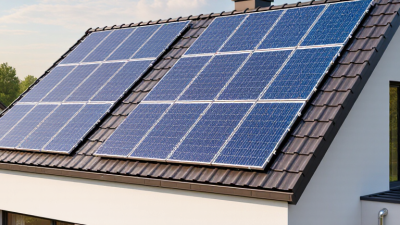
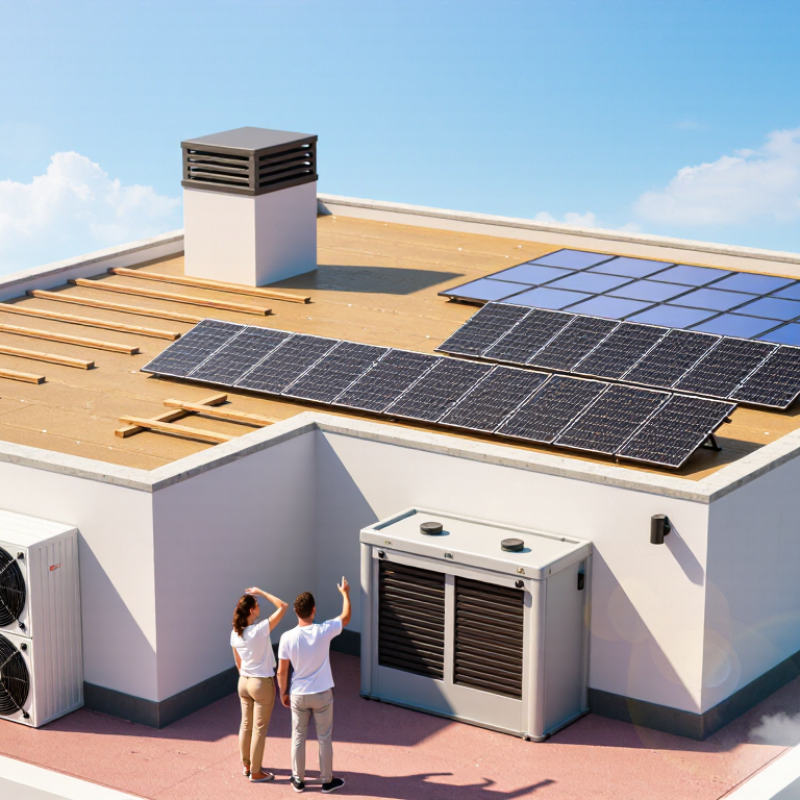
Choosing solar energy technology is not simply a matter of picking the panel with the highest advertised efficiency. A sunny roof, a shaded roof, and a small apartment balcony create very different design needs. On a home visit, details such as a chimney shadow at 3 p.m., roof direction, and available mounting space can change the recommendation. Small details matter.
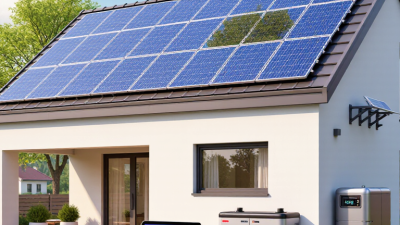
Options include conventional monocrystalline photovoltaic panels, thin-film modules, and systems paired with battery storage. Each has trade-offs in output, footprint, installation complexity, and cost. Batteries can keep selected circuits running during an outage, but they add expense and do not automatically power an entire home. Solar thermal equipment serves a different purpose: it heats water rather than generating household electricity.
A sound choice starts with actual electricity bills, roof condition, local weather patterns, and daily energy use. Compare estimated annual production, equipment warranties, inverter type, maintenance needs, and the assumptions behind each proposal. Ask installers how shading was modeled and whether estimates account for seasonal changes. Verify product specifications and installer credentials through manufacturer documentation and reliable industry sources. Don’t rely on a single sales estimate.
There is no universal winner. A high-efficiency panel may suit a cramped roof, while a lower-cost option may work well where space is ample. The best fit depends on site conditions and priorities, not slogans. Some uncertainty remains, especially when future electricity prices or household habits change. This guide explains how to weigh those factors, compare practical options, and ask better questions before committing. A careful decision is better than a rushed one.
Assess Your Energy Needs and Installation Site
Before choosing solar technology, calculate how much electricity your home actually uses. Check twelve months of utility bills, not one sunny-month estimate. In 2022, the average U.S. residential customer used about 10,791 kilowatt-hours, according to the U.S. Energy Information Administration’s Electric Sales, Revenue, and Average Price report. Your household may differ sharply. Note seasonal peaks, planned electric-vehicle charging, and daytime versus evening use. A larger system is not automatically a better fit.
Then inspect the installation site. Record roof direction, usable area, pitch, and shade at different times of day. A chimney’s narrow shadow can matter more than a nearby tree’s broad outline. NREL’s 2016 rooftop solar assessment estimated 1,118 gigawatts of technical potential across U.S. rooftops, but that national figure cannot predict one roof’s output. Site-specific shade and weather data matter. Ask an installer to model production and explain its assumptions. If the roof is aging, include repair costs before comparing options. Ground-mounted panels may help, but only where land, access, and local conditions allow. Imperfect measurements happen. Recheck them. A careful assessment can still miss future tree growth, so leave room for doubt.
Identify the Main Types of Solar Technology
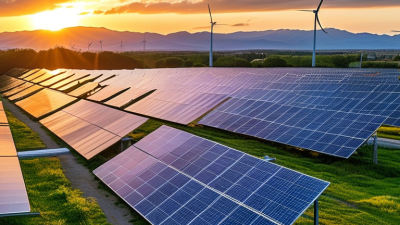
Solar technology generally falls into three categories: photovoltaic (PV), concentrated solar power (CSP), and solar-thermal systems. PV modules turn daylight into electricity. On a roof, nearby trees, chimneys, and seasonal shade can reduce their output. At larger sites, rows of modules need enough land and suitable grid access. IRENA’s Renewable Capacity Statistics 2024 reports 1,419 GW of installed solar PV capacity worldwide by the end of 2023, with 345.5 GW added that year. That growth shows how widely PV is being deployed, but it does not mean every location is a good fit.
CSP uses mirrors to concentrate direct sunlight, heating a fluid that can drive a turbine. Some plants store heat for later generation, but CSP needs strong, consistent sunshine and substantial space. Heat, not electricity. Solar-thermal collectors take a simpler route: they capture sunlight to heat water or air, often for domestic hot water or building heating. Their value depends on how much heat a site uses and when it needs it.
The IEA’s Renewables 2024 report says solar PV accounted for about three-quarters of renewable power capacity added in 2023. That is a deployment figure, not a promise of household savings. Compare local sunlight, roof direction, shading, energy use, and storage needs before choosing. I would also check whether quoted performance assumptions reflect cloudy days and winter demand; those details are easy to overlook.
Compare Efficiency, Cost, Lifespan, and Maintenance
Choosing solar technology means balancing efficiency, upfront cost, useful life, and upkeep—not chasing one headline number. High-efficiency crystalline-silicon panels can produce more power from a small roof, while lower-cost options may suit properties with ample space. Compare complete installed quotes, including inverters, mounting, and labor. A panel’s efficiency alone does not predict your bill savings.
IRENA’s Renewable Power Generation Costs in 2023 report put the global weighted-average cost of newly commissioned utility-scale solar at $0.044 per kilowatt-hour. That benchmark is not a household quote; local labor, roof condition, and financing can shift costs sharply. For lifespan, NREL’s 2024 Annual Technology Baseline models utility-scale PV over 30 years. Field performance still depends on heat, shade, installation quality, and component replacement. A 30-year model is not a guarantee. Maintenance is usually modest: keep vents clear, check for debris or damage, and review monitoring alerts. In dusty areas, occasional cleaning may help, but follow the installer’s guidance.
Tips: Ask for an energy estimate using your roof’s orientation and shading, plus the assumptions behind it. Compare warranty terms and inverter replacement costs. Small detail, big difference. I’d also leave room for uncertainty: tree growth or a roof repair can change the plan later.
How to Choose the Best Solar Energy Technology?
Compare typical commercial module efficiency, upfront cost considerations, service life, and routine maintenance. Actual performance and costs vary by product, installation, climate, and market.
| Technology |
Typical service life |
Upfront cost considerations |
Routine maintenance |
| Monocrystalline silicon |
About 25–35 years |
Often a competitive choice; higher efficiency can reduce space needed for a given output. |
Low; occasional inspection and cleaning as needed. |
| Polycrystalline silicon |
About 25–35 years |
May offer a lower-cost option, but lower efficiency can require more area. |
Low; occasional inspection and cleaning as needed. |
| Cadmium telluride (CdTe) thin film |
About 25–30 years |
Can be cost-effective for large-scale projects; availability and suitability depend on the application. |
Low; occasional inspection and cleaning as needed. |
Efficiency bars show representative values within typical commercial module ranges: monocrystalline silicon 20–23%, polycrystalline silicon 15–18%, and CdTe thin film 18–21%. These are general ranges, not guarantees. Solar modules have no moving parts; maintenance commonly involves periodic checks and cleaning when dirt or debris is reducing output. Compare complete installed-system quotes, since location, system design, labor, and incentives can outweigh differences in module price.
Check Compatibility with Storage and the Power Grid
A solar system should fit the way your home uses power, not just the roof’s available space. If you plan to stay grid-connected, check that the inverter can work with your utility’s requirements and your electrical panel. Export limits and connection rules vary, so ask a qualified installer to review them before choosing equipment. For battery storage, confirm compatibility between the battery, inverter, and system controls. Some setups use AC coupling; others use DC coupling. The right option depends on your existing equipment and backup goals.
Tips: List the appliances you need during an outage. A refrigerator, a few lights, and internet equipment need far less power than electric heating or a car charger. Ask for the system’s continuous output and usable battery capacity, not just its headline rating.
Think about how you want the system to behave. Should it keep selected circuits running during an outage, or shift power use to reduce evening grid purchases? These goals can require different equipment and wiring. A common planning miss is sizing storage from monthly bills alone; bills do not show when each appliance runs. Review a typical day’s usage with an installer, and leave room for uncertainty. Your habits may change, and estimates are not guarantees.
Choose a Technology That Fits Your Priorities
How to Choose the Best Solar Energy Technology?
Choose a Technology That Fits Your Priorities
When comparing solar options, start with what you want the system to do. Photovoltaic panels turn sunlight into electricity for household needs, such as a refrigerator, lights, and a laptop. Solar thermal systems use sunlight to heat water, which may suit homes with steady hot-water demand. They solve different problems. A lower quoted price does not automatically mean a better fit. Check recent electricity bills, available roof area, and daily hot-water use before comparing proposals.
Your site matters as much as your priorities. A roof shaded by a chimney after 3 p.m. may produce less than an open roof. Ask for an assessment that explains orientation, shading, expected output, and assumptions. If backup power matters, find out which circuits a battery can support and for how long. If upfront cost matters most, compare total installed cost and likely savings, not just panel efficiency. That sounds tidy. It isn’t always. Projections depend on weather, equipment, and household habits, so treat them as estimates, not promises. A family’s laundry schedule may change after installation, too.
How to Choose the Best Solar Energy Technology? — Choose a Technology That Fits Your Priorities
| Technology |
Typical Module Efficiency |
Best Fit |
Key Advantages |
Considerations |
Priority Match |
| Monocrystalline silicon |
About 19–23% for many current commercial modules; specifications vary by product. |
Homes and businesses with limited roof or ground space. |
High power output per unit area; widely available; extensive operating history. |
May cost more than lower-efficiency options; actual output depends on orientation, shading, and climate. |
Maximize output from a small area. |
| Polycrystalline silicon |
Commonly about 15–18% for modules still available; ranges depend on model. |
Projects where module price and available installation area are important. |
Established silicon technology with familiar installation practices. |
Lower power per unit area than many monocrystalline modules; less common in newer product lines. |
Compare upfront module cost when space is not constrained. |
| Thin-film (such as CdTe or CIGS) |
Varies substantially by material and product; commercial module efficiencies often range from the low teens to around 19%. |
Large installations or projects with specific weight, appearance, or temperature requirements. |
Some products offer a low-profile design or favorable performance in particular operating conditions. |
Efficiency, availability, and installation requirements differ by material; check product-specific warranties and certifications. |
Consider design flexibility or project-specific site conditions. |
| Bifacial silicon modules |
Front-side efficiency is comparable to the underlying silicon module; rear-side output is additional and site-dependent. |
Ground-mounted systems or elevated installations with reflective surfaces and access to rear-side light. |
Can generate extra electricity from light reaching the back of the module. |
The energy gain depends on mounting height, spacing, ground reflectivity, and shading; it is not guaranteed on a flush-mounted roof. |
Increase yield where rear-side light can be used effectively. |
Efficiency figures are indicative ranges for commercial modules, not guarantees. Compare complete-system quotes, warranties, certifications, available installation area, and estimated annual energy production for your location.