Why Choose Solar Power for Homes?
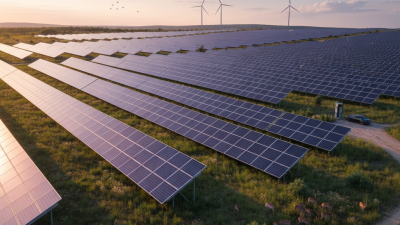
Why Choose Solar Power for Homes? The question begins with a roof, but it reaches far beyond panels and wiring. Solar power for homes can turn unused sunlight into electricity for lights, appliances, and evening routines. Imagine panels warming beneath a clear morning sky while a smart meter records each kilowatt-hour. The value feels practical when utility prices rise or power interruptions disturb daily life.
Caltech solar-energy researcher Dr. Nathan Lewis has said, “The sun provides more energy to the Earth in one hour than humanity uses in a year.” That perspective explains solar energy’s enormous potential, but potential is not the same as guaranteed savings. Roof direction, local sunlight, shading, battery costs, maintenance, and electricity rates all shape the result. A careful installer should inspect the roof, estimate annual production, and explain warranties without promising perfection. Numbers matter.
The picture is not perfect. A shaded roof can weaken performance. Batteries can increase the initial cost. Some households may need grid electricity during cloudy periods or winter nights. That is normal. It deserves honest planning.
For homeowners, the strongest decision combines environmental purpose with financial discipline. Reviewing several quotes, checking installer credentials, and studying projected production can prevent expensive surprises. A reliable system should fit the home, not merely follow a popular trend. Solar panels may reduce emissions and household energy bills, yet their benefits depend on thoughtful design and realistic expectations. This guide explores those details, including technology, costs, maintenance, and the everyday experience of generating power at home.
What Solar Power Is and How Home Systems Work
Why Choose Solar Power for Homes?
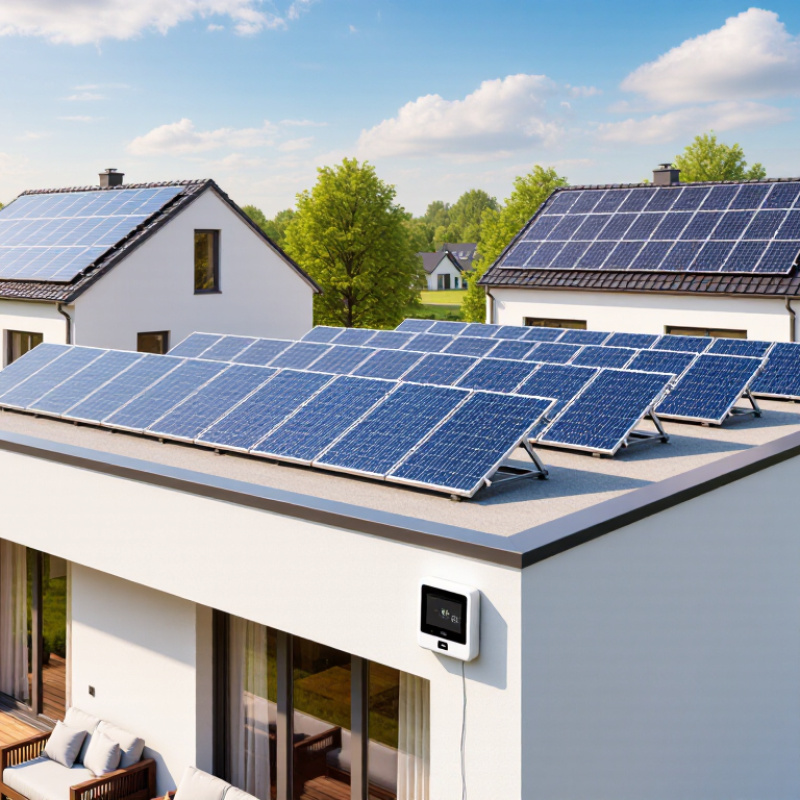
Solar power begins with sunlight, not a wall socket. Photovoltaic cells convert light into direct-current electricity. An inverter changes that electricity into alternating current for household appliances. The meter then records energy flowing to and from the grid. A battery can store surplus power for evening use.
The roof decides. Shade, orientation, roof age, and local weather affect real output. According to the International Energy Agency’s Photovoltaic Power Systems Programme Trends 2024 report, global solar capacity exceeded 1.6 terawatts by the end of 2023. That scale shows technical maturity, but it does not guarantee identical results for every home.
A practical assessment should compare annual electricity use with hourly solar production. A larger system is not always better. Oversizing can increase costs without improving self-consumption. The International Energy Agency reported roughly 420 gigawatts of new solar capacity in 2023, representing most new renewable capacity. Yet household performance still depends on installation quality and maintenance. Dust can reduce production. Inverters also have shorter service lives than panels. That matters.
Professional cost studies from the National Renewable Energy Laboratory show that residential system prices include equipment, labor, permitting, design, and customer acquisition. The panel price alone is misleading. My own caution is simple: production estimates are models, not promises. A cloudy winter, future tree growth, or changing electricity use can weaken an attractive forecast. Homeowners should request site-specific calculations, inspect warranty terms, and verify projected savings against measured consumption.
Key Benefits of Using Solar Energy at Home
Solar power can turn an unused roof into a small, practical power station. At home, panels generate electricity quietly whenever sunlight reaches them. This can reduce grid purchases and make monthly energy costs more predictable. The benefit feels concrete when a meter moves slowly during a sunny afternoon. In my experience, households understand the value best after tracking production beside daily appliance use. It is not magic, though. Output changes with season, shade, roof direction, and local weather.
Solar energy also improves energy independence. A home with panels may rely less on changing utility prices. Adding a properly sized battery can store daytime electricity for evening cooking, lighting, or refrigeration. However, batteries add expense and eventually need replacement. A careful assessment matters. A qualified installer should inspect the roof, wiring, sunlight conditions, and household consumption before recommending equipment. Independent estimates and clear maintenance terms make the decision more trustworthy. Ask about permits, safety checks, and expected performance.
Solar can lower emissions because it produces electricity without burning fuel at home. It may also encourage efficient habits, such as running laundry during bright hours. Still, not every house benefits equally. Older roofs may need repairs, and shaded properties may gain less than expected. Payback periods vary widely. That uncertainty deserves honest attention. The strongest choice combines measured energy data, realistic financial planning, and a system matched to the home—not a promise of perfect savings.
Why Choose Solar Power for Homes?
Estimated annual carbon dioxide emissions avoided by typical residential solar PV system sizes.
A larger solar system can generate more clean electricity and reduce reliance on grid power. Estimates use 1,200 kWh of annual generation per installed kW and a national-average grid emissions factor of 0.386 kg CO₂ per kWh. Actual results vary by location, sunlight, system orientation, and household energy use.
Main Components of a Residential Solar System
Why Choose Solar Power for Homes?
A residential solar system begins with photovoltaic panels, which convert sunlight into direct-current electricity. Their output depends on roof direction, seasonal shade, temperature, and panel cleanliness. A site assessment should examine these details before installation. Small shadows can reduce production more than many homeowners expect.
The inverter changes direct current into alternating current for household appliances. It also records performance and may shut down during electrical faults. Mounting rails secure the panels against wind and weather, while wiring, disconnects, and protective devices manage safe electricity flow. A bidirectional meter measures energy moving between the home and the utility grid. These parts are less visible, but they are essential.
Some homes add a battery to store surplus electricity for evening use or outages. However, a battery is not always financially sensible. Its value depends on electricity rates, backup needs, available sunlight, and local regulations. Monitoring software can reveal weak production, although readings are not perfect. A professional installer should verify roof strength, grounding, voltage, and permits before connecting the system. It is easy to focus on panel capacity and overlook maintenance access. That mistake can make future repairs slower and more expensive.
Why Choose Solar Power for Homes? - Main Components of a Residential Solar System
| System Component | Primary Function | Typical Residential Specification | Contribution to Home Solar | Important Considerations |
|---|---|---|---|---|
| Solar Panels | Convert sunlight into direct-current electricity through photovoltaic cells. | Approximately 350–450 watts per panel; a common home system may use 8–25 panels. | Produces clean electricity during daylight hours and reduces the amount of power purchased from the grid. | Energy output varies with roof orientation, shading, temperature, panel efficiency, and local sunlight conditions. |
| Solar Inverter | Converts the panels’ direct-current electricity into alternating-current electricity used by household appliances. | Usually sized from about 3 kW to 15 kW for residential installations, depending on the array and electrical loads. | Makes solar electricity compatible with household circuits and the utility grid. | Some systems use one central inverter, while others use module-level power electronics for more detailed performance control. |
| Mounting and Racking System | Secures the panels to the roof or a ground structure and maintains the required tilt and spacing. | Aluminum rails, clamps, flashing, roof attachments, or engineered ground-mount posts. | Provides structural stability and helps position the panels for effective solar exposure. | Roof condition, wind loads, snow loads, waterproofing, and local building requirements must be evaluated before installation. |
| Solar Battery Storage Optional | Stores surplus electricity for use when solar production is low or during a grid outage. | Common residential storage capacities range from approximately 5 kWh to 20 kWh or more. | Improves self-consumption, supports backup loads, and can reduce reliance on grid electricity after sunset. | Usable capacity, charge and discharge power, battery chemistry, warranty terms, ventilation, and backup configuration affect performance. |
| Electrical Protection Equipment | Protects people and equipment from overcurrent, faults, surges, and unsafe isolation conditions. | Disconnect switches, circuit breakers, fuses, surge protection devices, and system isolation equipment. | Improves system safety and allows sections of the installation to be safely shut down for maintenance. | Equipment must be correctly rated for the system voltage, current, environmental conditions, and applicable electrical codes. |
| Solar Cables and Connectors | Carry electricity between panels, the inverter, the battery, and the home’s electrical distribution system. | Outdoor-rated, UV-resistant conductors with connectors designed for photovoltaic installations. | Ensures efficient and reliable electrical transfer throughout the system. | Cable size, connector compatibility, routing, weather exposure, and secure connections are essential for reducing energy losses and safety risks. |
| Metering Equipment | Measures electricity produced by the solar system and electricity imported from or exported to the grid. | Production meters, bidirectional utility meters, or approved smart-meter functionality. | Supports accurate energy accounting and may enable participation in local electricity-export programs. | Metering arrangements and export rules differ by location and utility service requirements. |
| Monitoring System | Tracks energy generation, household consumption, battery status, and system alerts. | Web-based or mobile monitoring with near-real-time performance data. | Helps homeowners identify reduced production, equipment faults, unusual consumption, and potential maintenance needs. | Monitoring data depends on communication equipment, internet availability, sensor accuracy, and system integration. |
| Grounding and Bonding Equipment | Creates a safe path for fault current and reduces the risk of electric shock or equipment damage. | Grounding conductors, bonding hardware, grounding electrodes, and approved connection points. | Improves electrical safety and helps meet installation and inspection requirements. | Design and installation should follow local electrical codes and be completed by qualified professionals. |
| Utility Grid Connection | Allows the home to draw electricity when solar production is insufficient and potentially export excess generation. | Grid-connected residential systems commonly operate with utility approval and an approved interconnection arrangement. | Provides continuous access to electricity and reduces the need for a very large battery system. | Interconnection procedures, export limits, billing structures, and outage behavior vary by location. Standard grid-connected systems typically shut down during outages unless backup equipment is installed. |
Costs, Savings, and Financial Considerations
Why Choose Solar Power for Homes?
Costs, Savings, and Financial Considerations
Solar power can reduce monthly electricity bills, but the financial result depends on your home and location. A typical evaluation includes panel costs, installation, permits, roof repairs, and possible battery storage. Recent household estimates often show payback periods between seven and twelve years, although local electricity prices can change that figure. A south-facing, unshaded roof may produce more energy than a larger system under heavy tree cover. Professional assessments should include hourly energy use, roof condition, system output, and expected panel degradation. Ask for these figures in writing.
Tips: Compare at least three detailed estimates. Check financing fees carefully. Review local incentives and tax rules with a qualified adviser. Do not assume battery storage always saves money. It can improve backup power, but its added cost may extend the payback period.
Savings become clearer when measured against your current utility bills, not advertised system prices. A household using more electricity during sunny hours may gain stronger direct savings. Net-metering rules also matter, because exported electricity may receive a lower credit than purchased power. Maintenance is usually limited, yet inspections, inverter replacement, and cleaning can create future expenses. One honest concern is uncertainty: electricity rates, household usage, and policy rules may change. A spreadsheet with conservative assumptions is more reliable than an optimistic promise. Keep an emergency budget, because solar is an investment, not instant free power.
Practical Factors Before Choosing Home Solar Power
Why Choose Solar Power for Homes?
Practical Factors Before Choosing Home Solar Power
Solar power can reduce a household’s dependence on grid electricity, but the roof must suit the system. Check its age, direction, slope, and daily shade from trees or nearby buildings. A roof needing replacement soon may make installation inconvenient and more expensive. Ask for an on-site assessment, not only a digital estimate. Real roof conditions often change the final design.
Electricity usage matters more than panel count. Review twelve months of utility bills and note seasonal changes. Heating, cooling, and electric vehicles can sharply increase demand. A qualified installer should explain system size, expected production, maintenance, warranties, and local connection rules. Request clear figures for installation costs and estimated savings. Payback periods are estimates, not promises. Weather, electricity rates, and household habits can alter them. Battery storage may improve evening energy use, but it also adds cost, space requirements, and maintenance.
Tips: Check roof repairs, permits, insurance, and equipment warranties before signing. Compare at least three written proposals. Ask how the system performs during cloudy winter weeks. Do not ignore battery replacement costs. I might value energy independence, yet a smaller system could be more practical for my budget. That trade-off deserves honest discussion. Keep copies of inspection records and production estimates. Reliable advice should include limitations, not only attractive savings.
Related Posts
-
What is Solar Energy Projects and How Do They Benefit the Environment?
-
What is a Solar Battery System and How Does it Work?
-
How to Choose the Best Solar Energy Equipment?
-

What is Clean Energy Solutions and How Can They Transform Our Future?
-
10 Tips for Successful Solar Energy Adoption
-
Top Solar Energy Panel Trends in 2026 for Global Buyers?