10 Best Clean Energy Solutions for Global Buyers?
Global buyers are under pressure to cut emissions without sacrificing reliability, affordability, or operational performance. The right clean energy solutions must work beyond attractive brochures. They should perform in real climates, support local grids, and meet practical procurement requirements.
This guide examines ten options, including solar photovoltaics, onshore wind, offshore wind, battery storage, heat pumps, biogas, geothermal power, small hydropower, green hydrogen, and renewable energy certificates. Each solution has a different role. Rooftop solar may reduce factory electricity costs, while batteries can protect production during short outages. Heat pumps can replace fossil-fuel boilers in suitable buildings. Green hydrogen remains promising, but its cost and infrastructure needs require careful review.
Experienced buyers should compare more than installation prices. They need verified performance data, lifecycle emissions, maintenance records, warranty terms, and supplier financial strength. Independent certification can help confirm renewable claims and equipment quality. Local weather matters too. Dust, humidity, storms, and weak transmission networks can change project results dramatically.
No option fits every market.
Some technologies are mature but location-dependent. Others offer long-term potential but still carry commercial uncertainty. That limitation deserves attention. A low-carbon label does not automatically mean low risk or high value. This overview provides a practical starting point for global sourcing decisions, while encouraging technical audits, transparent contracts, and region-specific due diligence. The strongest purchase decision is not always the most advanced one. It is the solution that performs reliably, remains financially defensible, and delivers measurable environmental benefits.
Defining Clean Energy Solutions for Global Buyers
Clean energy solutions are systems that reduce greenhouse gas emissions while delivering dependable energy. For global buyers, the definition must extend beyond solar panels or wind turbines. It includes renewable generation, battery storage, efficient equipment, smart controls, grid connections, and responsible energy procurement. A practical solution should match local sunlight, wind patterns, land conditions, grid stability, and customer demand.
Performance matters. Buyers should examine lifetime emissions, expected output, maintenance needs, recycling plans, warranty terms, and supply-chain transparency. In project reviews, I have found that a low purchase price can hide costly repairs or weak after-sales support. Numbers need context. A battery may store clean electricity, yet its value depends on charging sources and replacement cycles. Buyers should also request independent testing, clear technical documents, and evidence of compliance with applicable safety and environmental rules.
Global purchasing adds complexity. Energy standards, import requirements, financing conditions, and reporting expectations differ across markets. A reliable supplier should explain these differences without making unrealistic promises. Local technicians, spare-part access, and weather-ready designs can determine whether a project works after installation. Some decisions remain imperfect. Forecasts can miss demand changes, and recycling systems may still be developing. Even so, careful buyers can reduce risk by comparing full lifecycle costs, verified performance data, and measurable emissions reductions before signing an agreement.
Solar, Wind, and Hydropower Technologies Explained
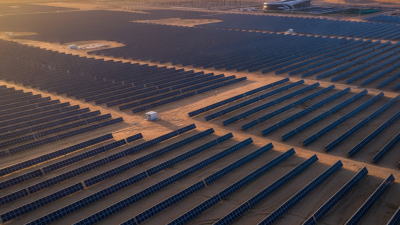
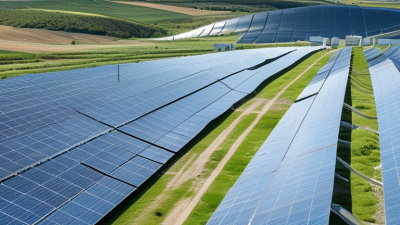
For global buyers, solar, wind, and hydropower are practical clean-energy foundations. Each technology fits a different physical reality. Solar panels turn sunlight into electricity through photovoltaic cells. They work on rooftops, warehouses, farms, and remote mini-grids. Output drops at night and during heavy cloud. Battery storage can smooth short gaps, but it adds cost, weight, and replacement planning. Buyers should compare annual irradiation, degradation rates, land use, and recycling arrangements. A low purchase price is not the full investment.
Wind turbines capture moving air with blades, generators, and power electronics. Onshore projects usually offer simpler construction and easier maintenance access. Offshore wind can reach stronger, steadier winds, but foundations and underwater cables raise complexity. A credible assessment needs wind measurements across seasons, not one attractive reading. Noise, bird movement, visual impact, and community consent require careful attention. Forecasts still miss unusual weather. That matters.
Hydropower uses flowing or stored water to drive turbines. Reservoir plants can provide flexible electricity when solar output falls. Run-of-river systems may reduce flooding, yet generation follows seasonal flows. Pumped storage acts like a large water battery, moving electricity between low and high demand. Buyers must examine sediment, drought exposure, fish passage, dam safety, and resettlement risks. Independent engineering reviews improve confidence. Still, every site has trade-offs. Local data should guide the final design.
10 Best Clean Energy Solutions for Global Buyers? — Solar, Wind, and Hydropower Technologies Explained
Global renewable power capacity additions by technology in 2023, measured in gigawatts (GW).
Solar photovoltaic technology delivered the largest share of new renewable capacity in 2023, followed by wind power. Hydropower, bioenergy, geothermal, and marine energy provide additional solutions for grid stability, dispatchable generation, and location-specific clean-energy needs. Data source: International Renewable Energy Agency (IRENA), Renewable Capacity Statistics 2024.
Energy Storage, Green Hydrogen, and Smart Grid Systems
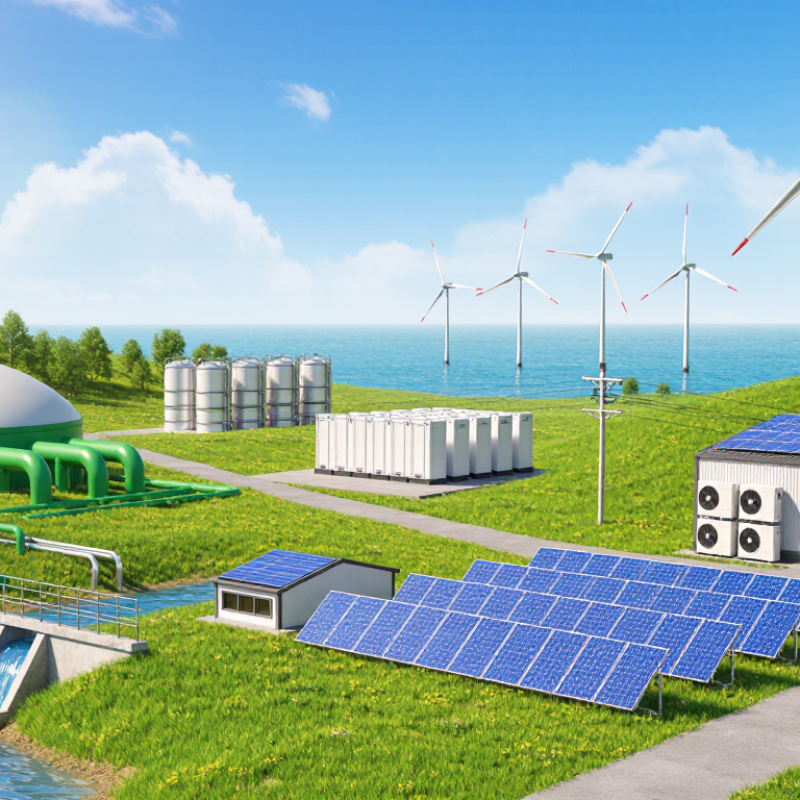
Energy storage, green hydrogen, and smart grid systems are reshaping clean energy procurement. Battery storage can smooth solar and wind output within seconds. It also protects factories from short outages and unstable power quality. Buyers should examine cycle life, safety testing, temperature limits, and recycling plans. A container beside a solar farm may look simple, but software, fire protection, and maintenance determine its real value. Capacity alone is not enough.
Green hydrogen offers a practical option for steel, shipping fuels, and selected chemical processes. Electrolysers use electricity to split water into hydrogen and oxygen. The electricity source must be traceable and genuinely low carbon. Buyers need verified production data, water management records, storage procedures, and delivery schedules. Hydrogen is not automatically clean. The picture is not perfect. Transport losses and expensive compression can reduce its advantage.
Smart grid systems connect meters, batteries, renewable generators, and flexible loads. They can forecast demand, reduce peak charges, and support local resilience. A strong project includes interoperable equipment, clear cybersecurity controls, and trained operators. Field assessments often reveal an overlooked issue: older electrical assets cannot exchange data reliably. Procurement teams should request performance records from comparable sites, not only polished projections. Pilot projects can expose weak assumptions early, although pilots also cost time and money. Local grid rules, weather patterns, and workforce skills should shape every investment decision.
Key Criteria for Comparing Clean Energy Solutions
10 Best Clean Energy Solutions for Global Buyers?
Key Criteria for Comparing Clean Energy Solutions
Comparing clean energy solutions requires more than checking the lowest quoted price. In projects I have reviewed, lifecycle cost often changed after maintenance, financing, and grid connection were included. Buyers should examine capital expense, operating expense, expected output, and equipment degradation over time. A simple spreadsheet can hide difficult realities.
Reliability deserves close attention. Solar and wind projects need suitable storage, flexible backup, or strong grid access. Hydropower depends on water availability, while bioenergy requires secure, responsibly sourced feedstock. Buyers should request hourly production data, not only annual estimates. Ask how the system performs during heatwaves, storms, droughts, and weak-grid conditions. Real performance matters.
Check the evidence.
Environmental claims should include lifecycle emissions, land use, water demand, recycling plans, and local ecological effects. Independent testing and recognized certification can strengthen confidence, but certificates do not replace site inspections. Procurement teams should also review worker safety, supply-chain traceability, warranty terms, and local repair capacity. A solution may appear advanced yet remain impractical if replacement parts take six months to arrive. Contract language should define performance guarantees and remedies clearly. Even reliable forecasts contain uncertainty. Buyers should challenge optimistic assumptions and compare several scenarios, including lower output and higher interest rates. Local communities should have a meaningful role in assessing land access, employment, and long-term impacts.
Selecting the Best Solution for Different Global Markets
Selecting a clean energy solution depends on local conditions, not global rankings. Solar photovoltaic systems suit sunny regions with available land or rooftops. Wind projects perform better where measured wind speeds remain stable across seasons. Hydropower can provide dependable output, but drought risk is increasing in several markets. The International Renewable Energy Agency reported 473 GW of renewable capacity additions in 2023, representing 86% of global power expansion. The number is impressive, yet capacity alone does not guarantee reliable electricity.
Grid strength changes the decision. Markets with weak transmission networks may need battery storage, demand management, or smaller distributed systems. Industrial regions with limited land may consider offshore wind, geothermal energy, or renewable hydrogen for high-temperature processes. The International Energy Agency expects global renewable capacity to grow by 3,700 GW between 2023 and 2028. Still, permitting delays, import costs, and local skills can weaken an otherwise attractive project. A cheaper technology may become expensive after grid upgrades and maintenance are included. That assumption deserves challenge.
Tips: Compare lifetime cost, not purchase price. Check solar or wind data from multiple seasons. Review storage needs during cloudy evenings. Consult local engineers about grid codes, water stress, and spare parts. Pilot projects can expose weak assumptions early. No shortlist is perfect. A practical solution should remain affordable, repairable, and acceptable to nearby communities.