What Are the Best Hybrid Solar Systems in 2026?
Choosing among hybrid solar systems in 2026 means looking beyond panel output. These systems combine solar panels, battery storage, and an inverter that can manage energy from several sources. The right setup can store midday generation for evening use and provide backup power during some outages. Small details matter. Backup performance depends on system design, battery capacity, and which circuits are connected. A larger battery does not automatically keep every appliance running.
This guide compares leading options by usable storage, inverter capacity, efficiency, expandability, warranty terms, and monitoring features. It also considers compatibility with existing panels and the practical needs of different homes. Product specifications offer useful evidence, but they do not tell the whole story. Installation quality, local service, utility rules, and household energy patterns can change the value of a system considerably. One important caveat: advertised backup claims may assume ideal conditions, so check what the system can actually power and for how long. A refrigerator and a few lights require far less energy than electric heating or air conditioning. There is no universal winner. A system suited to a compact home may be a poor fit for a household with high evening demand. Use this comparison as a starting point, then verify current specifications and obtain a site-specific assessment before deciding.
What Is a Hybrid Solar System?
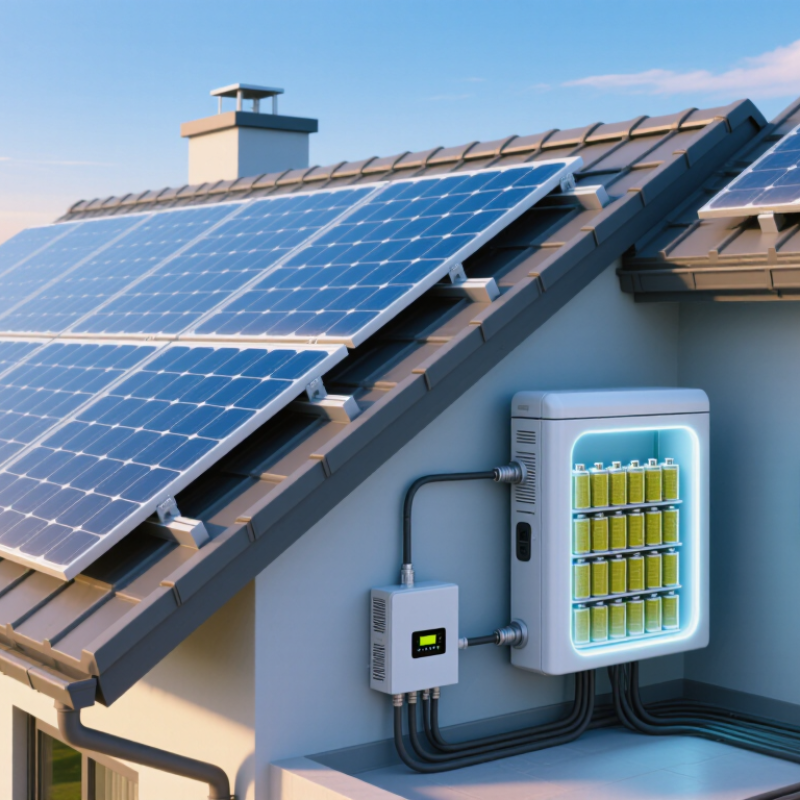
A hybrid solar system combines rooftop photovoltaic panels, a battery, an inverter, and a connection to the utility grid. The panels produce direct-current electricity; the inverter converts it into alternating current for household circuits. When production exceeds household use, controls can send extra electricity to the battery. Depending on the system setup and local rules, surplus power may also flow to the grid.
A battery is not merely a box that stores sunshine. It can supply selected loads later, such as lights, a router, or a refrigerator. During an outage, a hybrid system may keep chosen circuits running, but only if its inverter and wiring support backup operation. Some systems shut down without the equipment needed to disconnect safely from the grid, even on a bright afternoon. That detail surprises people.
Battery capacity, inverter power, and household demand determine how long backup lasts. A small battery may handle evening essentials but not an electric oven and heating system together. Sizing starts with real usage: check appliance labels, note evening consumption, and allow for cloudy days. Treat advertised backup time as an estimate, not a promise. The layout can look neat on paper. In practice, shade, temperature, conversion losses, and installation choices change results. Hybrid means flexible—not automatically independent.
How Do Hybrid Solar Systems Work?
A hybrid solar system connects rooftop panels, a battery, a hybrid inverter, household circuits, and the utility grid. Panels produce direct-current electricity; the inverter converts it into alternating current for appliances. When sunlight exceeds household demand, surplus power can charge the battery. Once the battery reaches its set limit, extra electricity may flow to the grid, depending on system settings and local connection arrangements.
Simple in theory.
A controller tracks production, household use, and battery charge, then directs power between them. After sunset, stored energy can supply selected circuits, such as a refrigerator, lights, or a router.
If grid service fails, a hybrid inverter may disconnect the home and create an isolated power supply.
Not automatic.
Backup depends on compatible equipment, correct wiring, and enough battery capacity and output. A battery storing 10 kilowatt-hours cannot necessarily run every appliance all night; electric heating or cooking can drain it quickly. Cloudy weather can slow recharging, too. Households should compare their actual daily use with the system’s limits and decide which circuits matter most. The controls may feel less predictable than expected, especially when several appliances switch on at once.
Which Components Shape System Performance?
Hybrid solar performance depends on how panels, inverters, batteries, and control software work together. Panel output sets the energy ceiling, but heat, shading, and roof direction can reduce real-world production. Even a narrow chimney shadow may affect several modules, depending on system design.
The inverter must convert solar power efficiently and manage grid, battery, and backup loads. NREL’s PVWatts model uses 96% as its default inverter-efficiency assumption; this is a modeling input, not a guarantee for every installation. Battery capacity matters, but so do usable capacity and round-trip efficiency. NREL’s 2024 Annual Technology Baseline uses about 85% round-trip efficiency for utility-scale battery storage. Residential products vary, so compare tested specifications rather than treating that figure as universal. Controls also shape performance: poor settings can charge a battery at the wrong time or reserve too little for an outage. That detail is easy to miss.
Tips: Ask for an hourly simulation using your roof layout, local weather, and actual household load. Check usable battery capacity, backup power limits, and warranty terms. A neat-looking estimate can still miss cloudy-week demand. I’d want the assumptions in writing.
Which Hybrid Solar Systems Stand Out in 2026?
Which Hybrid Solar Systems Stand Out in 2026?
The most compelling hybrid solar systems pair rooftop panels with battery storage and dependable grid support. In 2026, standout designs make it easy to prioritize essential circuits during an outage, such as a refrigerator, internet router, and a few lights. Their controls should show household consumption and battery charge clearly, not bury useful information in complicated menus. Quietly useful. Look for flexible operating modes, practical expansion options, and backup power that suits the home’s actual needs. A large battery is not automatically a better fit.
Installation details matter just as much as headline specifications. Ask whether the system can start backup operation without grid power, how quickly it switches over, and which appliances it can run together. A qualified installer can review a recent electricity bill and test likely loads before recommending capacity. Also compare usable battery capacity, conversion efficiency, monitoring features, and warranty terms. One awkward trade-off: adding storage can improve resilience, but it may not pay off quickly in every household. I would be cautious about choosing from a feature list alone; shade, roof orientation, local utility rules, and evening energy use can change the result. The best choice is the system that performs reliably under those real conditions.
What Are the Best Hybrid Solar Systems in 2026?
Battery chemistry is one factor in hybrid-system performance. This chart compares typical battery-level round-trip efficiency ranges; it does not rank complete systems.
Higher round-trip efficiency means less energy is lost during battery charging and discharging. Actual whole-system performance varies with the battery, inverter, operating conditions, and system design.