Top Renewable Energy Solutions in China for Global Buyers?
China is at the forefront of renewable energy solutions, shaping the global market. With its significant investments in solar, wind, and hydroelectric power, China offers diverse opportunities for international buyers. According to Dr. Li Wei, a leading authority in renewable energy, "China's advancements in green technology are paving the way for a sustainable future."
The market is growing rapidly, presenting challenges and opportunities. Buyers must consider technology reliability, cost-effectiveness, and supply chain dynamics. Many companies strive for innovation, yet, gaps in infrastructure and policy can hinder progress. Engaging with local experts can provide valuable insights into navigating these complexities.
Furthermore, as China rolls out ambitious environmental policies, global demand for renewable energy solutions is expected to escalate. Buyers need to focus on long-term partnerships and sustainability practices. This ensures alignment with both local regulations and international standards. The potential for growth is immense, but it demands careful reflection on strategies and commitments to sustainable energy development.
Overview of China's Renewable Energy Market and Global Impact
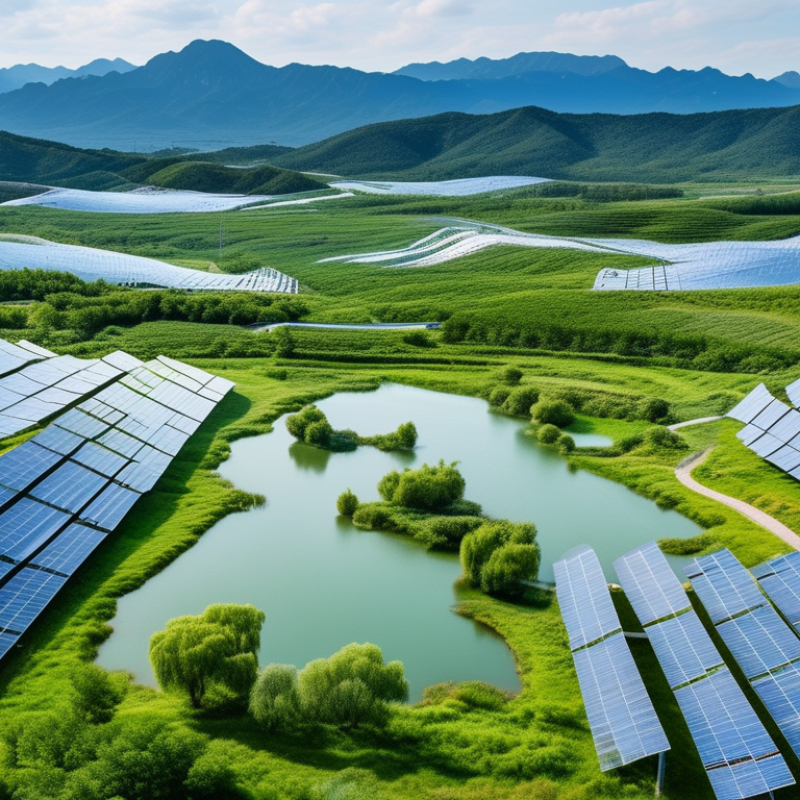
China's renewable energy market has seen unprecedented growth in recent years. According to the International Energy Agency, in 2022, China accounted for nearly 50% of global renewable energy capacity. This dominance signifies a massive shift towards sustainable energy solutions, impacting both domestic and international markets.
The country's investment in wind and solar energy is particularly noteworthy. In 2021, China's solar photovoltaic capacity reached over 300 GW, contributing to significant carbon emission reductions. However, challenges remain. The rapid expansion sometimes outpaces grid infrastructure development, leading to energy wastage. In some regions, renewable energy sources are not fully utilized due to grid limitations, prompting calls for enhanced energy management strategies.
Furthermore, China's push for hydropower has raised ecological concerns. While it plays a vital role in energy generation, the impact on local ecosystems cannot be ignored. Balancing energy needs with environmental sustainability is crucial. As global buyers engage with China's renewable energy sector, they must consider these complexities.
Top Renewable Energy Solutions in China for Global Buyers
| Energy Type |
Installed Capacity (GW) |
Annual Growth Rate (%) |
Global Ranking |
Major Applications |
| Solar Energy |
350 |
20 |
1 |
Residential, Commercial, Industrial |
| Wind Energy |
280 |
15 |
2 |
Onshore, Offshore |
| Hydropower |
370 |
3 |
1 |
Electricity Generation, Irrigation |
| Biomass Energy |
40 |
10 |
4 |
Electricity, Heating |
| Geothermal Energy |
3 |
5 |
5 |
Heating, Electricity Production |
Key Renewable Energy Sources Employed in China
China is rapidly becoming a leader in renewable energy. The country employs a variety of renewable energy sources. Solar and wind power dominate this landscape. These technologies have advanced significantly in recent years. Innovations are making them more efficient and cost-effective.
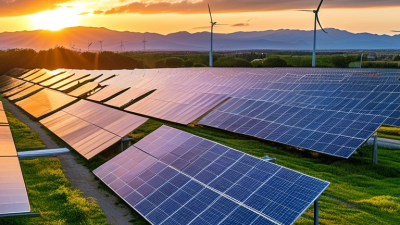
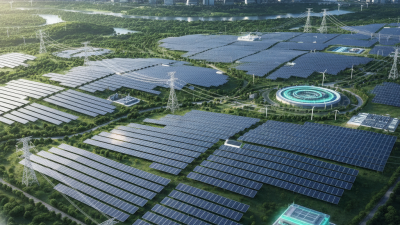
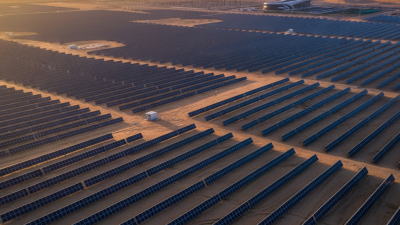
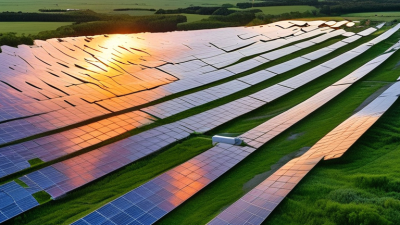
Solar energy has seen incredible growth. Large-scale solar farms are common. They supply energy to millions. Urban areas also benefit from solar panels on rooftops. This dual approach maximizes energy capture, though maintenance can be a concern. Regular checks help ensure efficiency.
Wind energy is another crucial element. Onshore and offshore wind farms harness the power of nature. Turbines turn kinetic energy into electricity. While the potential for wind energy is vast, site selection can be a challenge. Geographic and environmental studies are essential before installation.
When considering investments, focus on sustainability. Look for projects that demonstrate long-term viability. Challenge yourself to explore lesser-known regions. Many emerging markets are tapping into renewable energy. They offer unique opportunities as well. Always assess local regulations and environmental impact. This diligence can lead to a better understanding and success in your ventures.
Innovative Technologies Driving Renewable Energy Solutions in China
China is a leader in renewable energy technologies, driven by innovative solutions that cater to global markets. In 2022, the country's installed solar capacity reached over 392 gigawatts, accounting for nearly a third of the world's total. This impressive growth is fueled by advancements in photovoltaic materials and energy storage systems. Recent reports indicate that China produces about 75% of the world’s solar panels. Despite this success, the reliance on traditional manufacturing processes raises questions about sustainability.
Wind energy also plays a critical role in China’s renewable strategy. The country boasts the largest onshore wind capacity, exceeding 300 gigawatts. Cutting-edge turbine designs enhance efficiency but come with challenges. The integration of these systems into existing grids can be complex. Furthermore, issues around maintenance and energy distribution systems remain.
Electric vehicles (EVs) are transforming mobility in China. By 2023, EV sales in the country are expected to exceed 6 million units, up from 3 million in 2021. Battery technology improvements are essential but come with environmental concerns. Recycling lithium-ion batteries presents challenges, sparking debates about the balance between innovation and ecological responsibility. These aspects underline the need for comprehensive strategies that address not only technological advances but also their broader impacts.
Top Renewable Energy Solutions in China for Global Buyers
This chart illustrates the installed capacity of various renewable energy sources in China, showcasing the dominance of solar and hydropower, which are essential components of China's sustainable energy strategy.
Challenges and Opportunities for Global Buyers in China's Renewable Sector
China's renewable energy sector presents both challenges and opportunities for global buyers. The country has made significant strides in solar and wind energy production. However, navigating the supply chain can be complex. Buyers often face language barriers and regulatory challenges. Communication issues can lead to misunderstandings regarding product specifications.
Quality assurance is another concern. While many suppliers meet international standards, inconsistencies may arise. Buyers must conduct thorough due diligence to ensure they partner with reliable manufacturers. This requires time and effort, but it is essential for maintaining quality and safety.
On the other hand, China's large-scale production capabilities can lower costs for buyers. The market is highly competitive, driving innovation and offering diverse solutions. Buyers should take advantage of trade fairs and exhibitions to explore new technologies. Networking is crucial in establishing trustworthy relationships with suppliers. By being proactive, global buyers can tap into lucrative opportunities in China's renewable energy market.
Successful Case Studies of International Collaboration in Chinese Renewables
China has become a pioneer in renewable energy. Several international collaborations illustrate the potential for success. One remarkable case is a solar project in partnership with an overseas country. The agreement involved sharing technology, resources, and expertise. This synergy resulted in increased efficiency and reduced costs. Both parties benefited significantly, highlighting the value of teamwork.
Another notable example is a wind energy project that brought together experts from different nations. The focus was on developing new turbine technologies. This initiative faced challenges, such as differing regulations and cultural differences. However, these obstacles led to innovative solutions and improved communication strategies. The project's success demonstrated the importance of adaptability and understanding.
While these collaborations have shown great promise, there are areas for improvement. Some projects did not meet initial timelines or budgets. Learning from these experiences is crucial for future endeavors. It is essential to establish clear goals and maintain open dialogue among partners. This reflection can lead to stronger alliances in the renewable energy sector.