China Top 10 Solar Energy Infrastructure Suppliers
China is a major force in the global solar supply chain, with companies serving projects that range from compact rooftop systems to utility-scale power plants. This guide to China’s top 10 solar energy infrastructure suppliers looks beyond name recognition. It considers the equipment and services that help solar projects operate, including photovoltaic modules, inverters, mounting systems, energy storage, grid equipment, and engineering support.
The right supplier depends on the project. A developer planning a large solar farm may prioritize proven performance, delivery capacity, and technical support. A commercial rooftop project may care more about system compatibility, installation needs, and long-term service. Details matter. A well-matched inverter, for example, can affect how reliably a system converts and manages power. Storage and grid connections also shape how useful that power is.
This overview is intended as a starting point, not a substitute for project-specific due diligence. Supplier rankings can change with market conditions, product availability, and evaluation criteria. No list captures every strength or limitation. Buyers should review current product specifications, certifications, warranties, service arrangements, and project references before making decisions. Even careful comparisons leave questions. Company claims may not tell the whole story, and performance in one project does not guarantee the same result elsewhere. The following supplier profiles offer a practical framework for comparing China-based providers and understanding their roles in solar energy infrastructure.
China Added 216.9 GW of PV in 2023, Reaching 609.5 GW Cumulative
China added 216.9 GW of photovoltaic capacity in 2023, bringing its cumulative total to 609.5 GW. That annual increase was substantial, reshaping demand for panels, inverters, mounting systems, cables, and grid connections. A field of modules may look complete, yet its performance depends on components working together. Strong supply planning matters.
The figures also point to practical challenges. New projects need suitable land or rooftops, reliable equipment, skilled installation, and a route to deliver power where it is needed. For example, a large solar site can produce heavily at midday, while local demand may peak later. Grid upgrades and storage can help manage that mismatch, but they add cost and planning time. Capacity totals do not show every local constraint. Not the whole story. Suppliers are best assessed through verified technical specifications, quality controls, delivery records, and after-sales support—not headline output alone. Even careful plans can miss a detail.
Tips: Compare component warranties and compatibility, then check how suppliers document testing and service. Ask how equipment performs in local heat, dust, wind, or snow. A spreadsheet helps, but site conditions matter more.
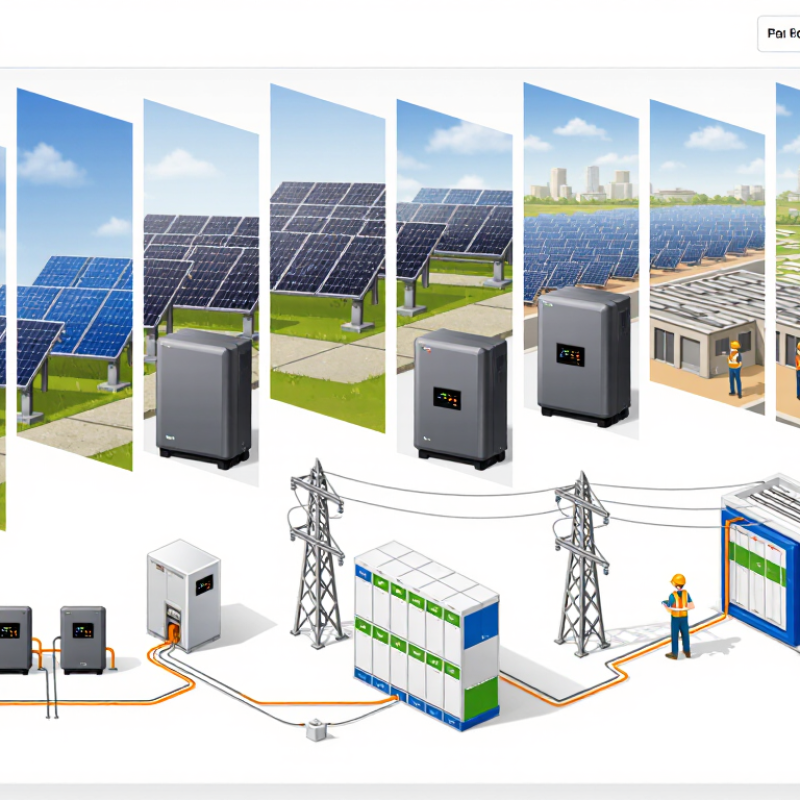
Map the Supplier Chain: Polysilicon, Wafers, Cells, Modules, Inverters, and EPC
China’s solar supply chain spans polysilicon, wafers, cells, modules, inverters, and engineering, procurement, and construction services. Map each layer before comparing suppliers. A polished module cannot compensate for unclear material origins or weak project coordination.
Polysilicon quality and production consistency affect wafer output. Wafer thickness, breakage rates, and dimensional tolerances matter during cell production. Cell efficiency is useful, but check independent test records and batch consistency too. Modules then combine cells with glass, encapsulants, frames, and junction boxes. Ask how suppliers manage defects, warranty claims, and shipment damage. These details are less visible than headline capacity, yet they influence installation schedules.
Inverters connect the array to the electrical system, so review operating range, monitoring functions, and service access. EPC providers coordinate design, procurement, construction, commissioning, and handover. Request a clear scope, milestone schedule, and evidence from comparable projects. Supply chains can shift quickly; a neat spreadsheet may become outdated, so verify current capacity and delivery dates directly.
Tips: Trace one sample batch from raw material to finished module. Compare test documents with contract terms, and check who handles field repairs. Leave room for uncertainty: supplier disclosures may not reveal every subcontractor.
China’s Solar PV Supplier Chain: Share of Global Manufacturing Capacity
Estimated share by manufacturing stage, 2021
China held a large share of global capacity for polysilicon, wafers, cells, and modules. Inverters and EPC (engineering, procurement, and construction) are downstream parts of the supplier chain, but are not shown because comparable figures are not included in this manufacturing-capacity series. Source: IEA, Solar PV Global Supply Chains (2022).
Identify 10 Leading Chinese Suppliers by Technology and Market Role
China’s solar infrastructure supply chain spans far more than panel production. This guide identifies ten supplier roles by technology and market function, rather than presenting an unverified company ranking. Details matter. Polysilicon producers supply a key raw material, while ingot and wafer makers turn it into thin silicon slices. Cell manufacturers convert those wafers into electricity-generating units. Module suppliers assemble cells into weather-resistant panels for rooftops and utility-scale projects.
Inverters convert panel output into grid-compatible electricity; mounting and tracker suppliers position panels for changing sun angles. Solar glass makers protect modules while allowing light through. Cable and connector suppliers handle electrical links across an installation. Battery-system providers store surplus generation, and engineering, procurement, and construction firms coordinate site work, equipment, and grid connection. Their capabilities differ. Some focus on high-volume manufacturing; others specialize in project integration or components.
Comparisons should consider certified performance data, production capacity, delivery history, and after-sales support. Project conditions matter too: coastal humidity, dusty ground, and local grid requirements can change equipment choices. A low quoted price may not reflect lifetime operating costs. Even this role-based map has limits: supplier categories overlap, and rankings shift with technology and market demand. Verify current specifications and project references before making procurement decisions.
China Top 10 Solar Energy Infrastructure Suppliers - Identify 10 Leading Chinese Suppliers by Technology and Market Role
This anonymized, role-based overview describes major supplier types in China’s solar value chain. The order is illustrative by value-chain role, not a verified company ranking or market-share assessment; no company or brand names are shown.
| Rank | Anonymous Supplier Profile | Core Technology or Product | Value-Chain Role | Market Relevance |
|---|---|---|---|---|
| 1 | High-Purity Polysilicon Supplier | Solar-grade polysilicon used as feedstock for crystalline-silicon ingot and wafer production. | Upstream material supply. | Provides a foundational input for the dominant crystalline-silicon PV manufacturing chain. |
| 2 | Silicon Wafer Producer | Crystalline-silicon wafers, including substrates used in both p-type and n-type cell manufacturing. | Converts silicon feedstock into the substrate used to make solar cells. | Wafer dimensions, quality, and production consistency affect downstream cell and module manufacturing. |
| 3 | Solar Cell Manufacturer | Crystalline-silicon cell architectures include TOPCon, heterojunction (HJT), and back-contact (BC) designs. | Produces the photovoltaic cells that convert sunlight into electrical power. | Cell architecture and process performance are key areas of competition in module efficiency and manufacturing. |
| 4 | PV Module Manufacturer | Encapsulated solar modules assembled from interconnected cells; products include monofacial and bifacial designs. | Supplies finished modules for utility-scale, commercial, and rooftop installations. | Modules are the principal power-generating equipment deployed in grid-connected solar projects. |
| 5 | Solar Inverter Supplier | String and central inverters convert direct current (DC) from PV arrays into grid-compatible alternating current (AC). | Power conversion, system control, and grid-interconnection equipment. | Inverter configuration depends on project scale, array layout, grid requirements, and monitoring needs. |
| 6 | Mounting and Tracker Supplier | Fixed-tilt structures and single-axis tracking systems support and orient PV modules. | Provides structural balance-of-system equipment for ground-mounted projects. | Design choices are influenced by site conditions, wind and snow loads, terrain, and project economics. |
| 7 | Solar Glass Supplier | Low-iron patterned glass is commonly used as protective glazing in crystalline-silicon modules. | Supplies a module component that protects cells while allowing light transmission. | Glass is used in conventional modules and in glass-glass constructions, including many bifacial designs. |
| 8 | Encapsulant and Backsheet Materials Supplier | Module materials include encapsulant films such as EVA or POE and polymer backsheets or rear glass. | Provides materials that help protect cells and electrical connections within module laminates. | Material selection is tied to module construction, durability requirements, and the intended operating environment. |
| 9 | Battery Energy Storage Supplier | Battery energy storage systems can combine batteries with power conversion and energy-management equipment. | Supports storage integration alongside solar generation. | Storage can shift energy across time and provide grid or site-level services, subject to system design and local rules. |
| 10 | Solar EPC and System Integrator | Engineering, procurement, and construction services for grid-connected PV plants and distributed solar systems. | Coordinates equipment, installation, testing, and project delivery. | Integrates modules and balance-of-system components into an operating solar installation. |
Compare Suppliers by Shipments, Module Efficiency, and Inverter Capacity
A credible comparison of China’s solar infrastructure suppliers should report shipments over the same period. Clarify whether the figures cover modules shipped, project deliveries, or completed installations; these measures are not interchangeable. High shipment volume can indicate manufacturing scale and logistics capability, but it does not prove dependable commissioning or after-sales support. Numbers can mislead.
Module efficiency is most useful when suppliers’ ratings use the same test conditions. Even a small percentage difference may affect how much roof or land a project needs, though real output also depends on temperature, shading, and installation quality. For inverters, compare total AC capacity, available unit sizes, and performance under changing loads. Check whether quoted capacity is continuous and how it relates to the project’s DC array. That matters. Shipment scale, module performance, and inverter capacity should be assessed separately, then matched to the site’s needs. This comparison is not perfectly neat: published specifications rarely capture every field condition, so independent test records and clear measurement methods deserve close attention.
Assess Utility-Scale Delivery, Grid Integration, and Storage Capabilities
Utility-scale delivery is more than a large installed-capacity figure. A credible supplier should show experience coordinating equipment, site work, commissioning, and grid connection across projects of comparable scale. Ask for evidence such as delivery schedules, acceptance records, and examples of how delays were handled. Details matter.
Grid integration deserves close review. Check whether engineering teams can model voltage behavior, manage reactive power, and support testing with the local network operator. These capabilities affect how reliably a plant performs during changing weather and shifting demand. A polished proposal is not proof of field performance; project references and clearly documented test results provide stronger evidence.
Storage adds another layer. Assess battery sizing, control systems, thermal management, safety procedures, and the supplier’s ability to coordinate storage with solar generation. Ask how the system responds when output falls quickly or grid conditions change. Compare warranties and service plans, too, since replacement timing can alter lifetime costs. Not always. Public data may leave gaps, and supplier claims can be hard to compare directly. Record what is verified, what remains uncertain, and whether the proposed design fits the project’s actual grid conditions.
Related Posts
-
10 Essential Tips for Choosing Solar Energy Equipment for Your Home?
-
2026 Top Solar Energy Technology Trends You Should Know?
-
China Top 10 Solar Power Generation Projects Transforming Energy Landscape?
-
10 Best Clean Energy Solutions for Global Buyers?
-
Top Solar Energy Panel Trends in 2026 for Global Buyers?
-

Top Renewable Energy Solutions in China for Global Buyers?